
Species & care sheets
Explore Ant Species
Discover and explore ant species from the Antverse — by name, genus, habit or how hard they are to keep.
Popular searches:CamponotusPolyrhachisMeranoplusCrematogaster
Quick browse
50 species
 Popular
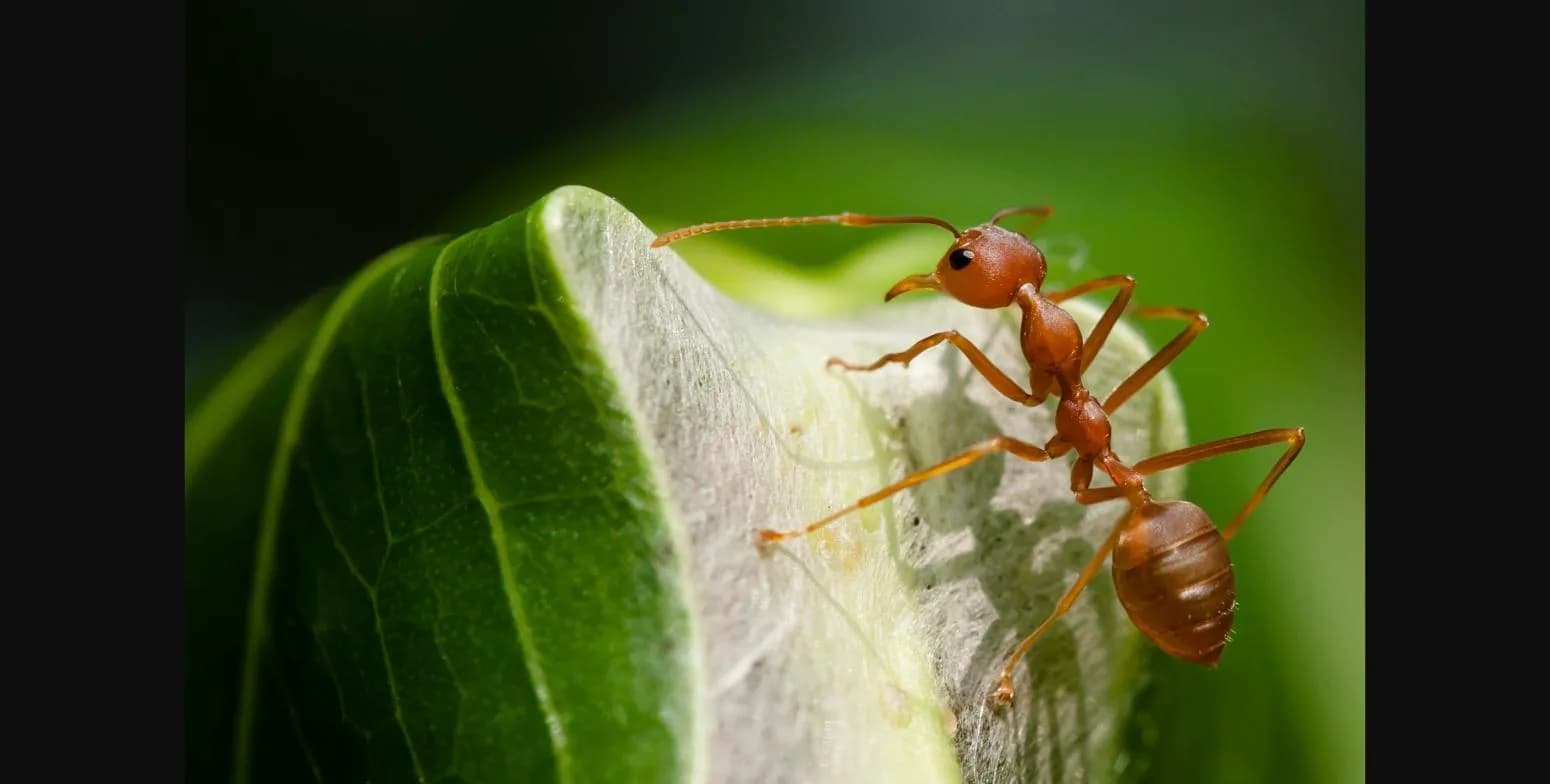
Asian Weaver Ant
Oecophylla smaragdina
The legendary Thai weaver ant. Arboreal leaf-nest builders — needs vertical space and live plants.
 Popular
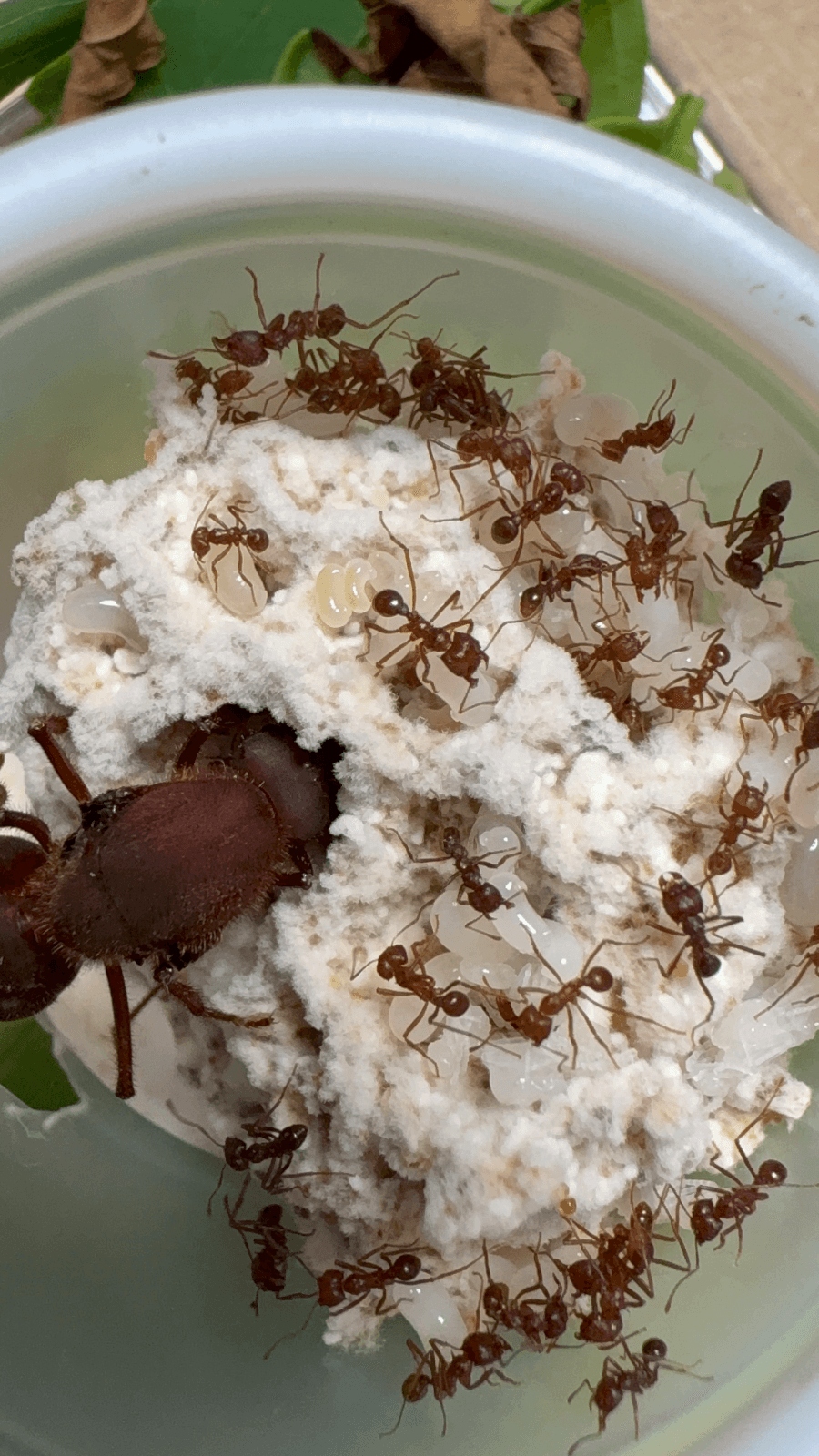
Chicatana Leafcutter Ant
Atta mexicana
 Popular
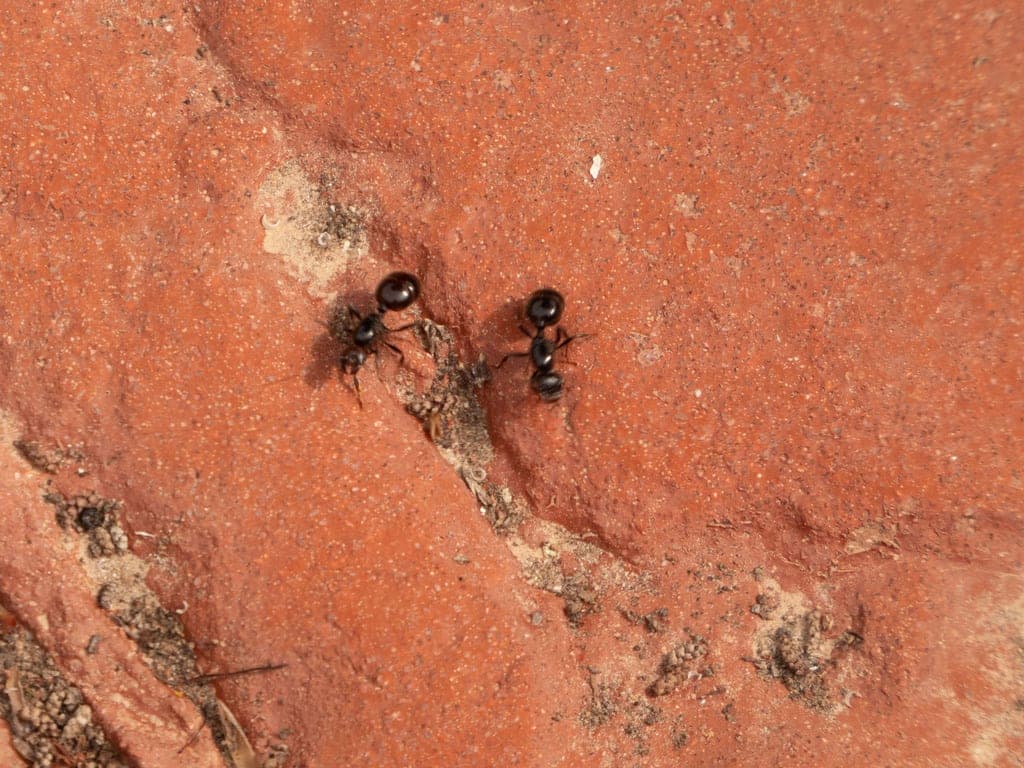
Black Harvester Ant
Messor barbarus
Often called the 'perfect pet ant,' this seed-harvesting species from Europe and North Africa is tough, low-maintenance, and shows off a striking range of worker sizes in one colony.
 Popular
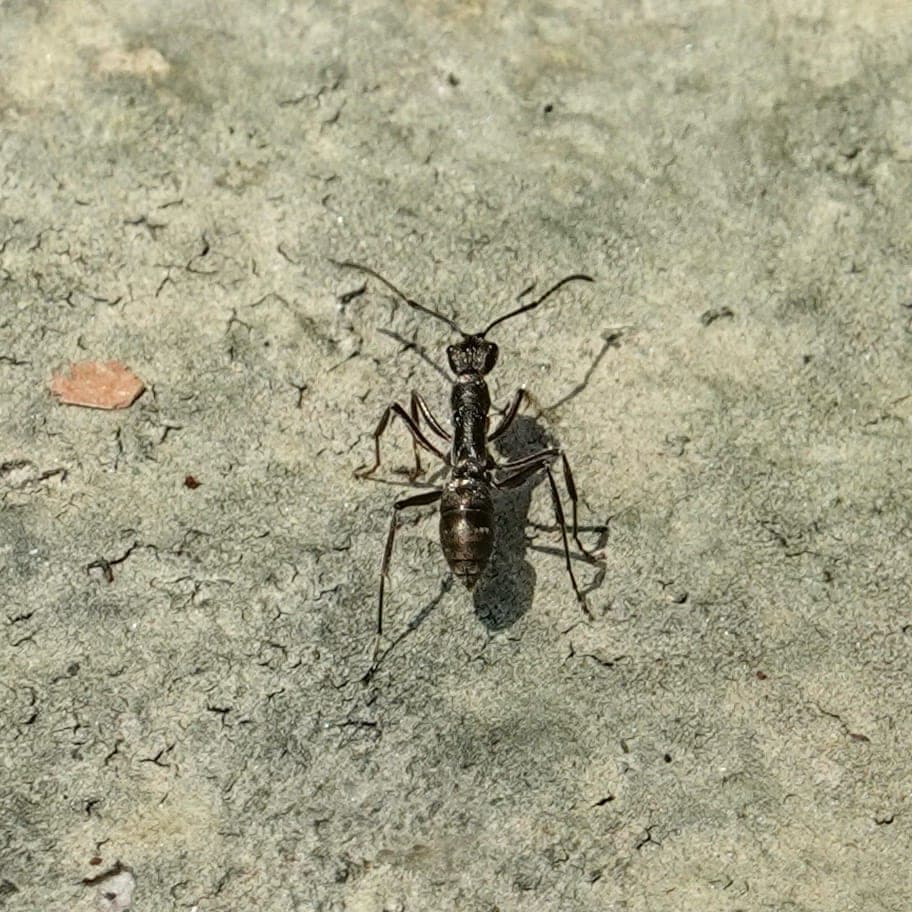
Bornean Queenless Ant
Diacamma rugosum
No true queen (gamergate system). Small colonies with fascinating hunting behavior.
 Popular
Red-Headed Giant Carpenter Ant
Camponotus singularis
A large carpenter ant with a striking bright red head against a dark body, admired by keepers worldwide for its size and bold, ever-alert temperament.
 Popular
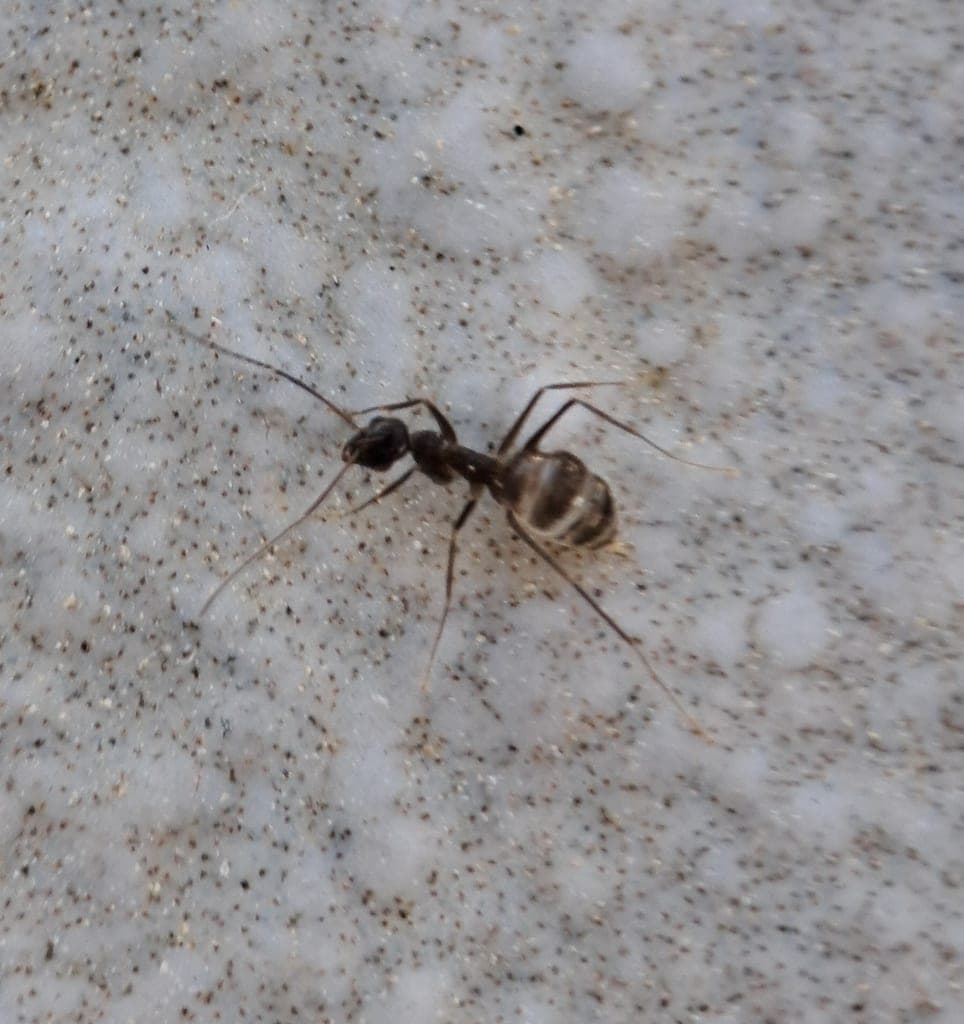
Black Crazy Ant
Paratrechina longicornis
Small, long-legged, and always on the move, the Black Crazy Ant is one of the easiest species anyone can keep — a perfect first colony for total beginners.
 Popular
Ash-Red Carpenter Ant
Camponotus rufoglaucus
A slender carpenter ant dusted in ash-grey hairs, the Ash-Red Carpenter Ant is easy to keep and grows fast, making it a great pick for anyone starting out with Camponotus.
 Popular
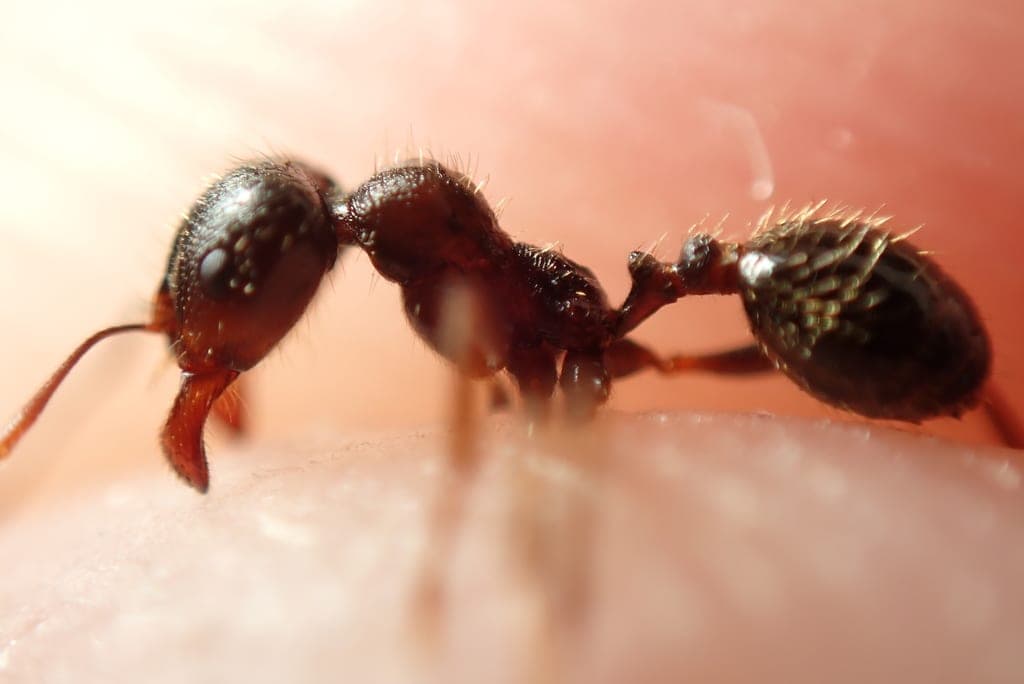
Steppe Harvester Ant
Messor structor
A seed-harvesting ant from the European steppes with big-headed major workers that grind grain. Famous for making 'ant bread' from chewed seeds and saliva.
Golden Weaver Ant
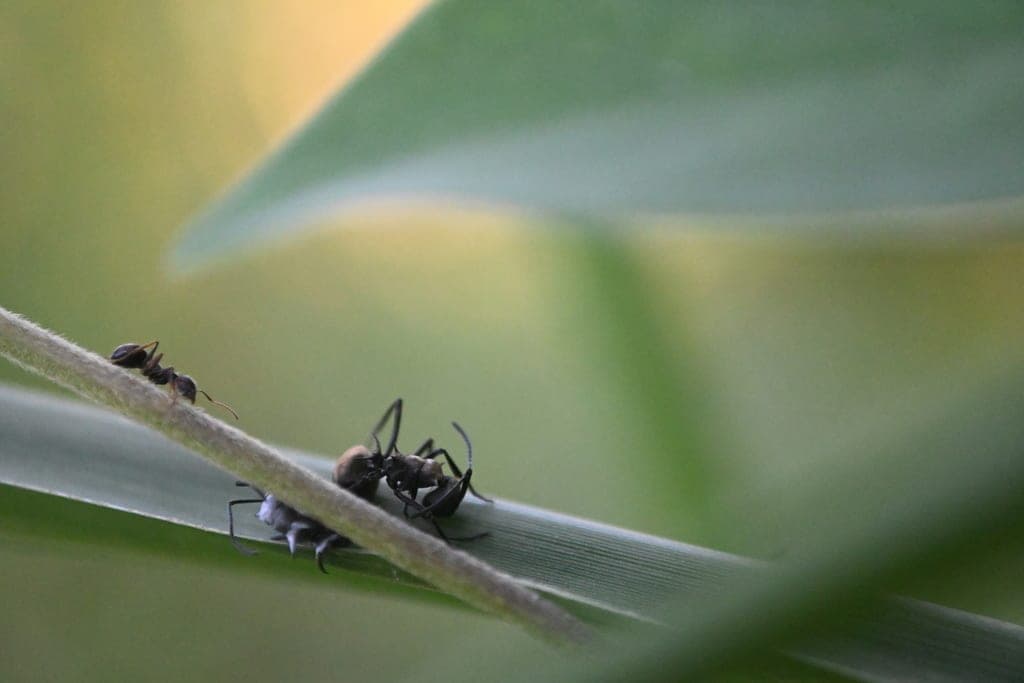
Polyrhachis dives
Silk-weaving nest builders, polygynous and fast-growing. Beautiful and very active.
Black Carpenter Ant
Camponotus parius
Large, easy to observe, slow-growing but extremely hardy. The most forgiving first species.
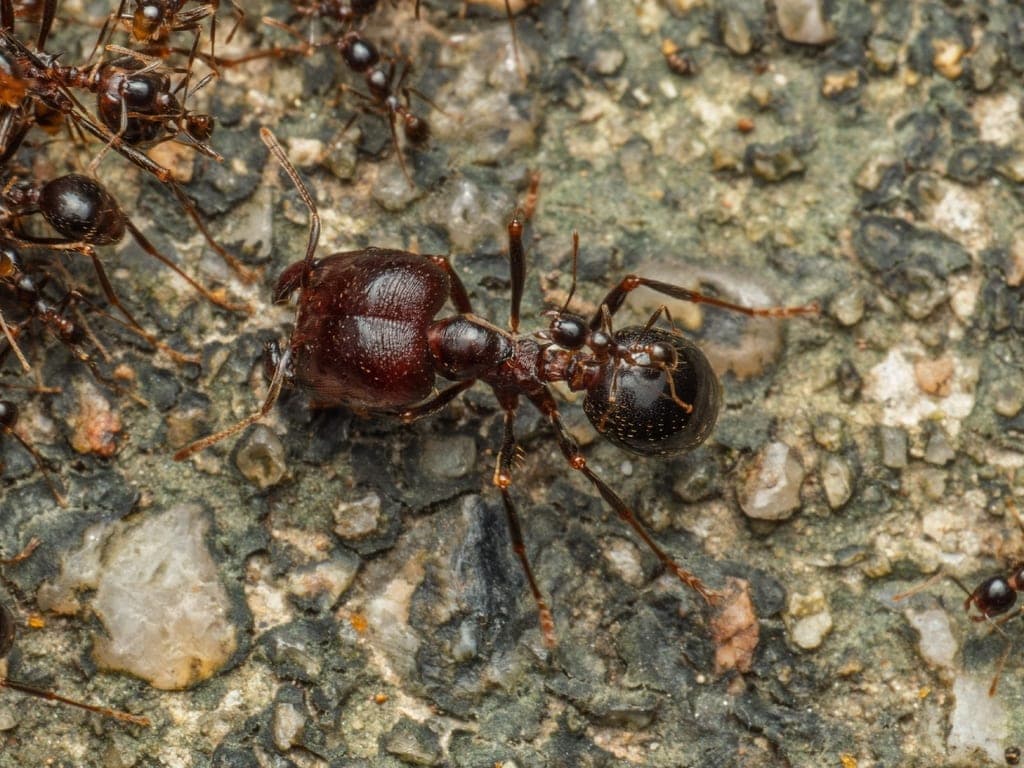
Asian Marauder Ant
Carebara diversa
Supermajors 100× the size of minors. Explosive growth — plan for huge numbers.
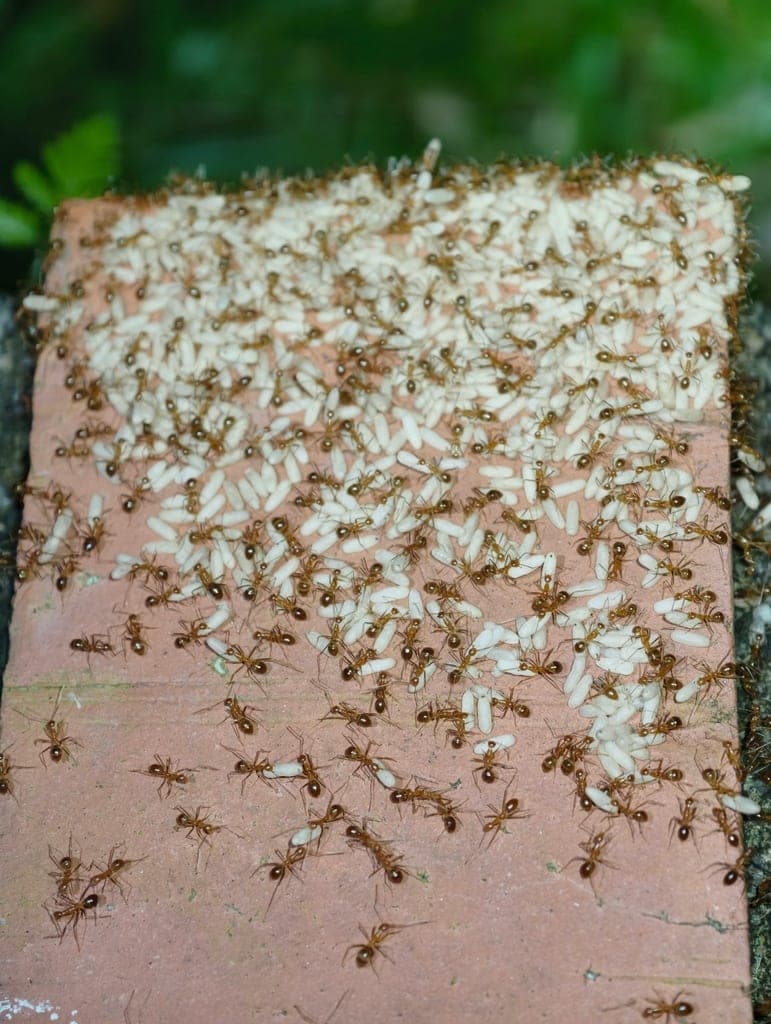
Yellow Crazy Ant
Anoplolepis gracilipes
A golden-yellow ant with unusually long legs, the Yellow Crazy Ant grows fast and looks striking, but its rapid expansion makes it an advanced-keeper species, not one for beginners.
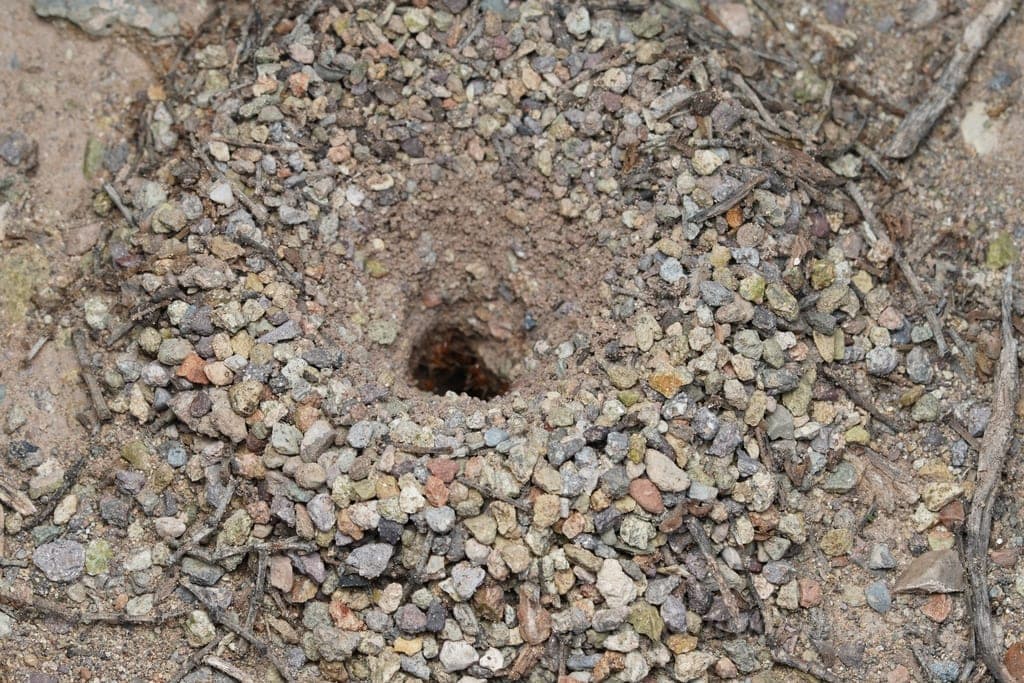
Mexican Honeypot Ant
Myrmecocystus mexicanus
A desert honeypot ant from North America with special workers whose gasters swell with stored nectar. One of the most sought-after species in the international ant-keeping hobby.
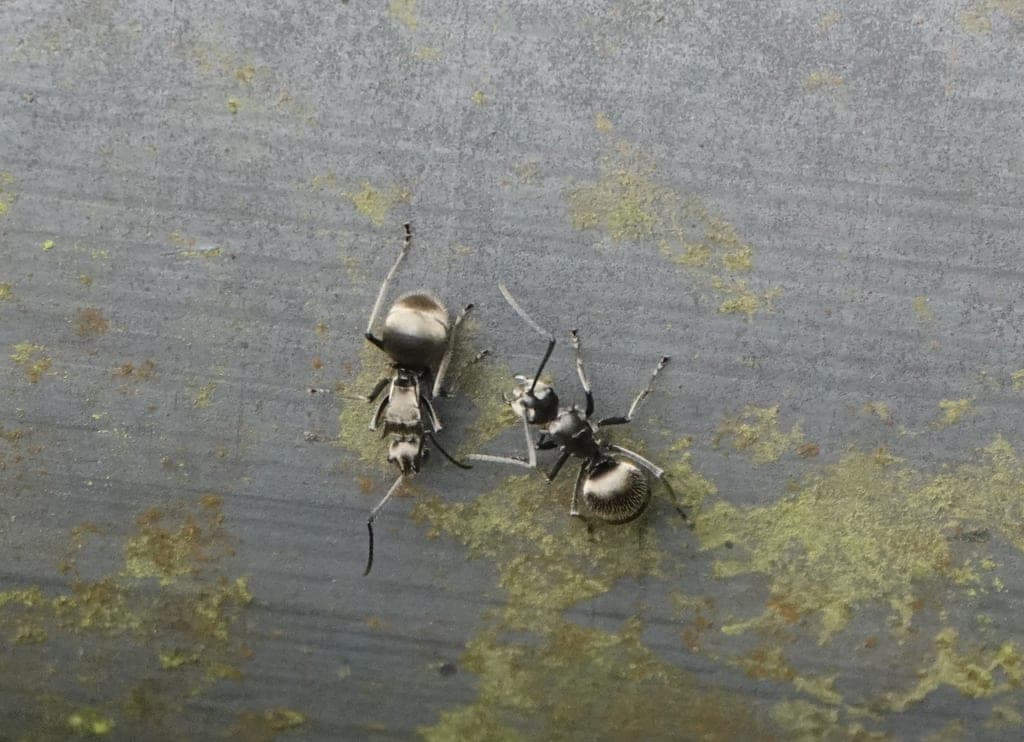
Spiny Weaver Ant
Polyrhachis illaudata
A spiny ant that weaves silk nests using its larvae as living glue guns, covered in sharp spines for defense. A favorite among keepers for its remarkable weaving behavior.
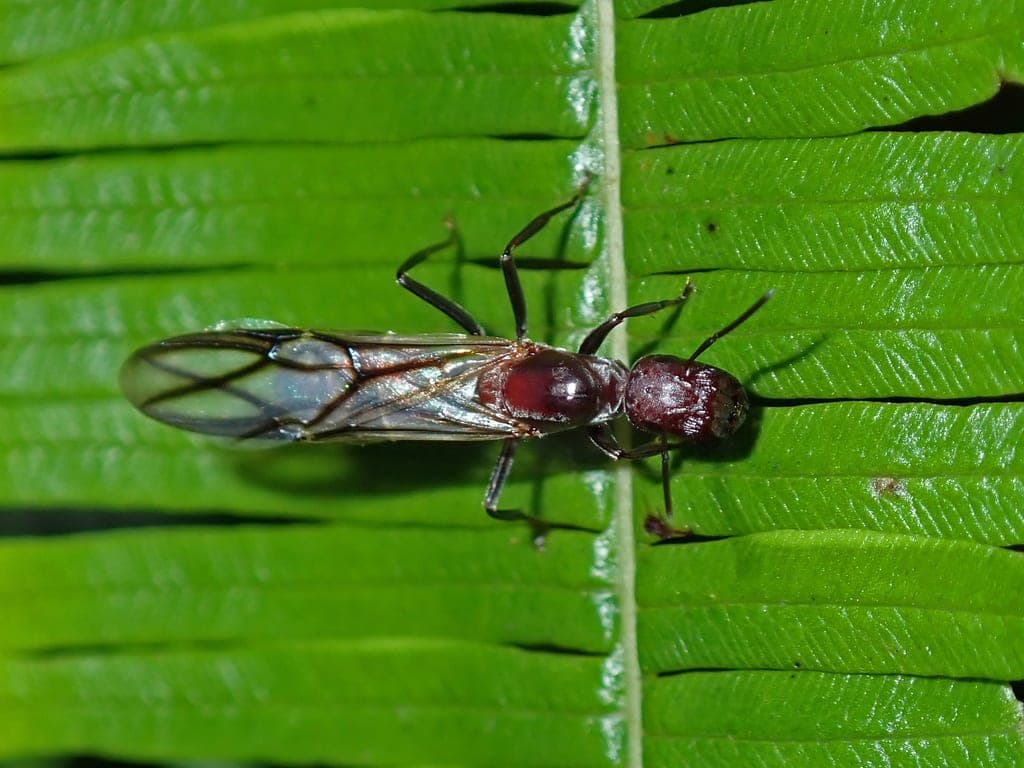
Malaysian Exploding Ant
Colobopsis saundersi
A carpenter ant with an extraordinary defense: it can rupture its own abdomen to spray sticky toxins on enemies to protect the colony. One of the most famous ants in the world among keepers.
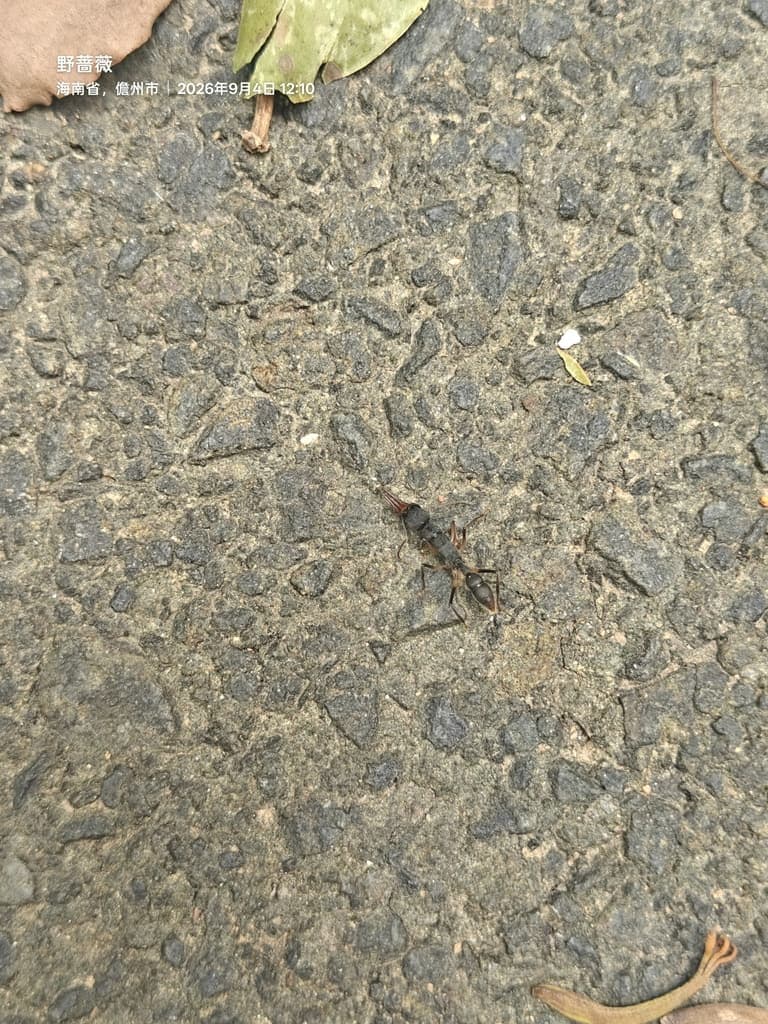
Giant Jumping Ant
Harpegnathos venator
Visual hunters that leap at prey. Tiny colonies where every worker is a predator — for experienced keepers.
Acrobat Ant
Crematogaster coriaria
Famous for flipping its heart-shaped gaster overhead like an acrobat when startled, this species is beginner-to-intermediate friendly and grows quickly — a great pick for a first arboreal ant.
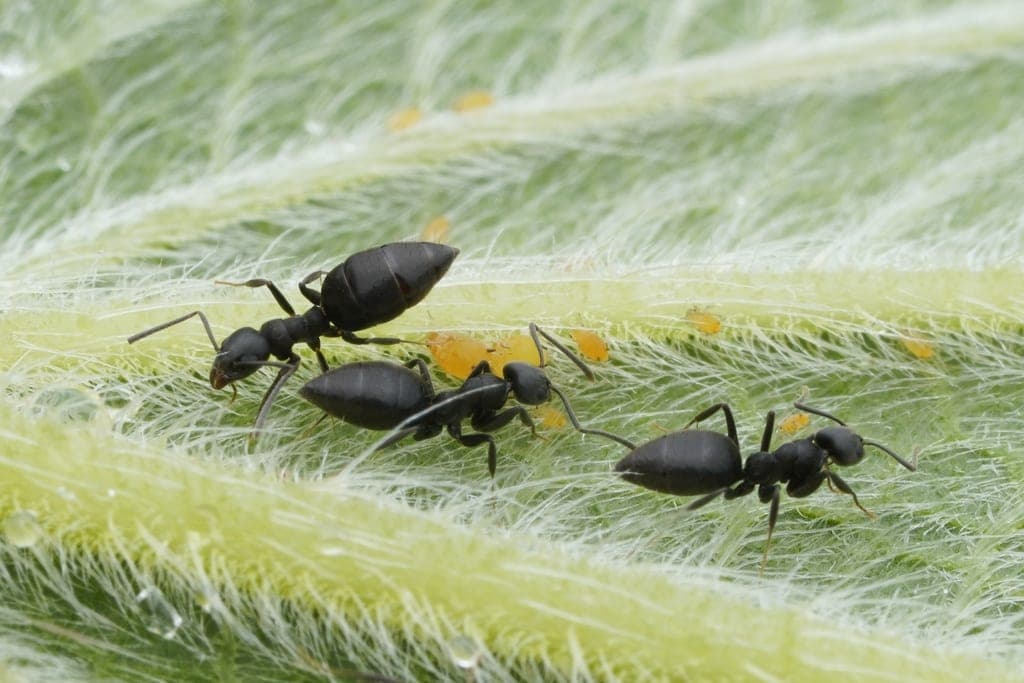
Butteli White-footed Ant
Technomyrmex butteli
A small, glossy black ant that moves quickly and stays highly alert, living in large multi-queen colonies. A great beginner species for studying polygynous ant societies.
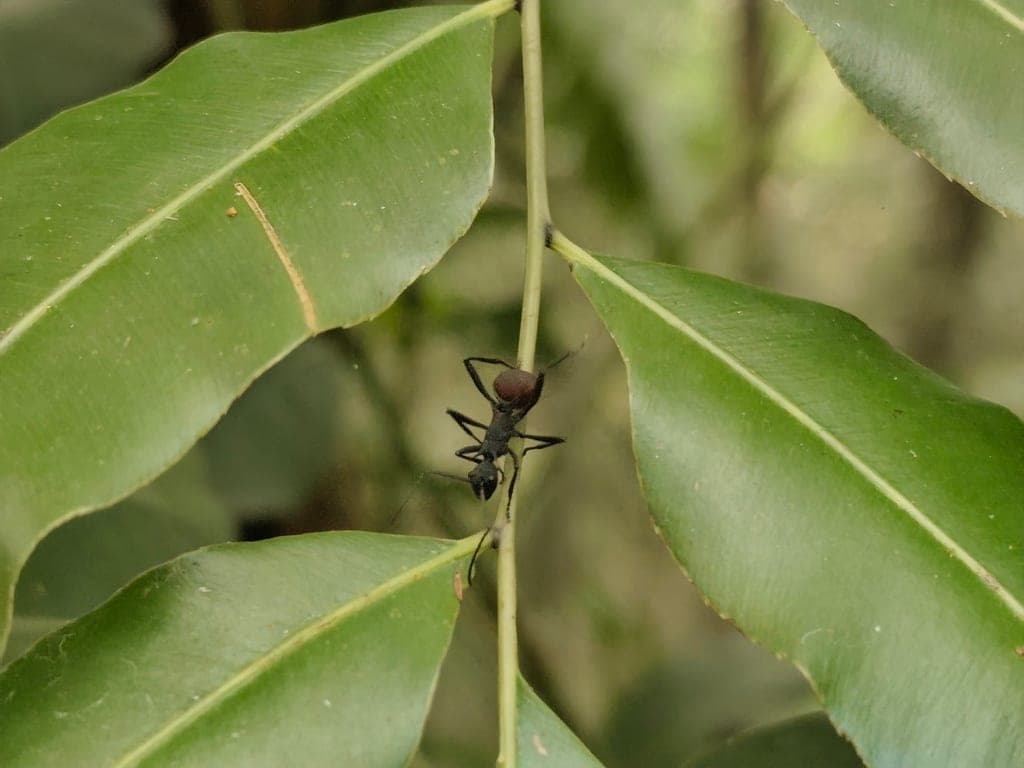
Giant Spiny Ant
Polyrhachis armata
A large, elegant spiny ant that weaves silk nests like a weaver ant, but with a calm, deliberate temperament — a solid intermediate choice for spiny ant fans.

Common Oriental Trap-jaw Ant
Odontomachus simillimus
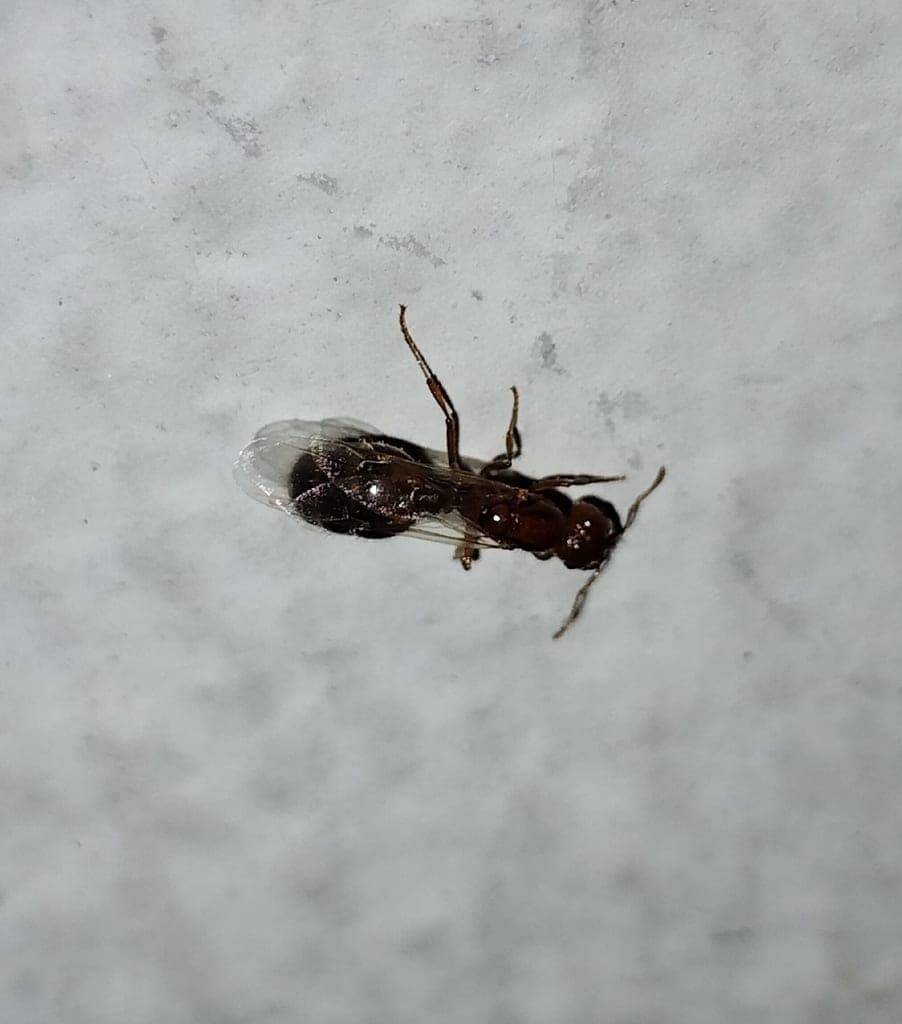
Tropical Fire Ant
Solenopsis geminata
The Tropical Fire Ant packs a fiery sting behind a small body and is one of the most familiar wild ants in Thailand. Tough, adaptable, and defensive, it's a species experienced keepers pick up for the challenge, not beginners looking for an easy first colony.
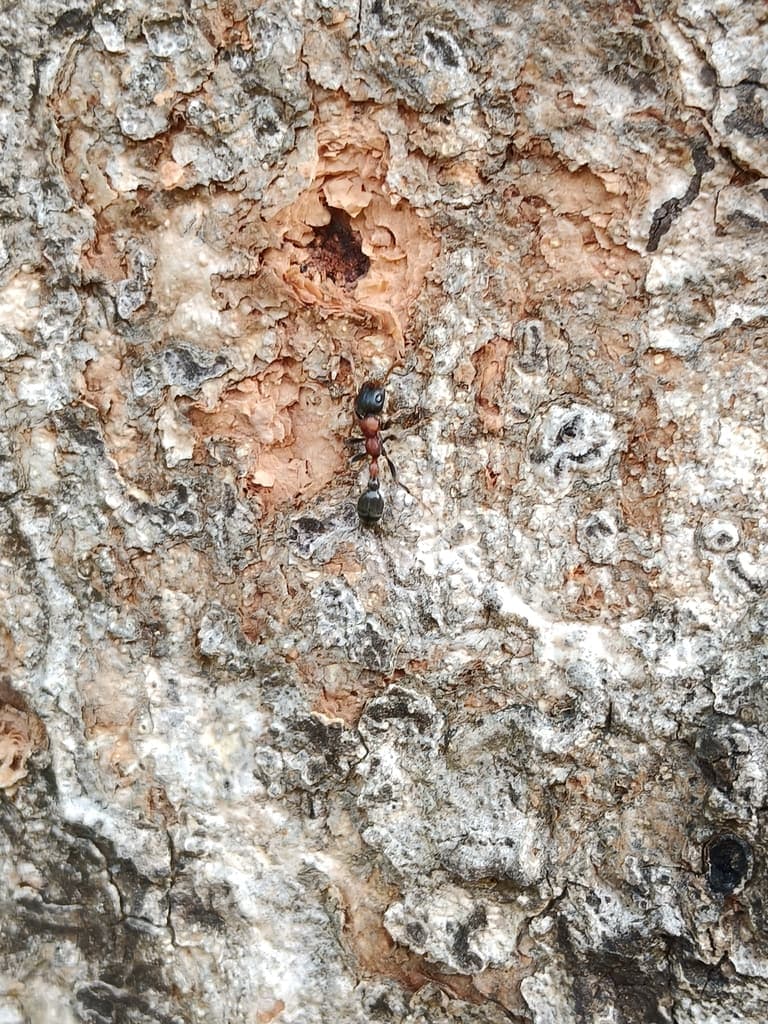
Arboreal Bicolored Ant
Tetraponera rufonigra
A slender, bicolored tree-dwelling ant with a genuinely powerful sting, this species has been linked to serious stings and even deaths across Asia. Expert-level only — not for beginners.
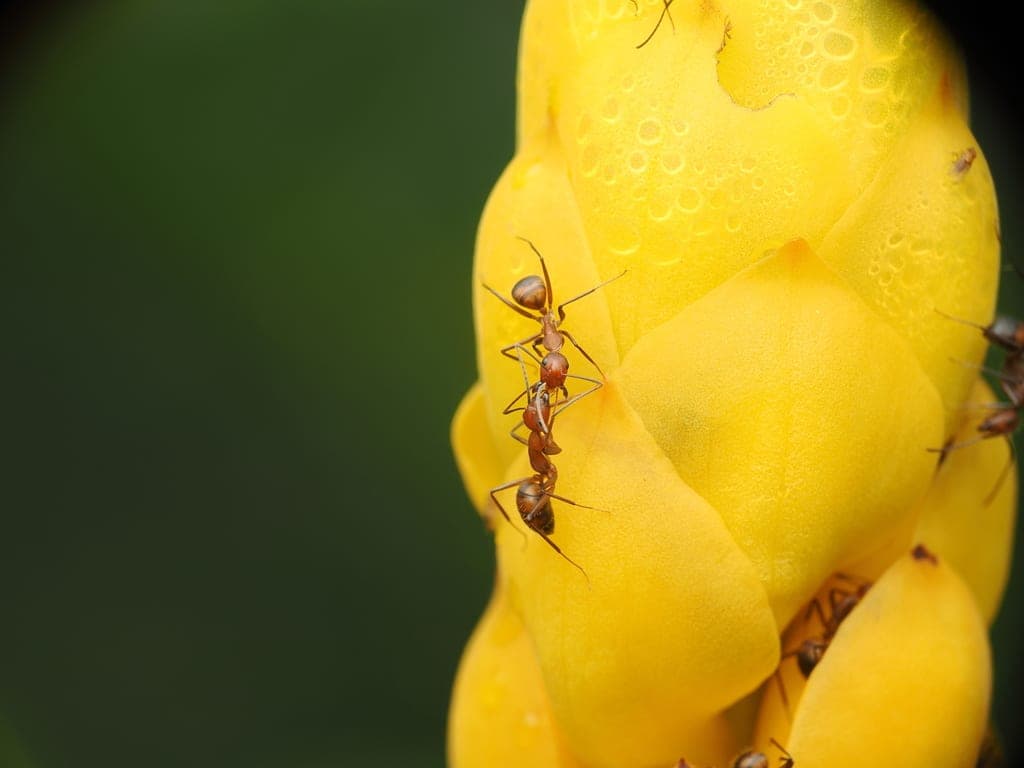
Nicobar Carpenter Ant
Camponotus nicobarensis
A red-orange and black carpenter ant that grows fast and stays fairly docile. Popular with beginners for its hardiness and easy adaptability, and a top seller at ant shops worldwide.
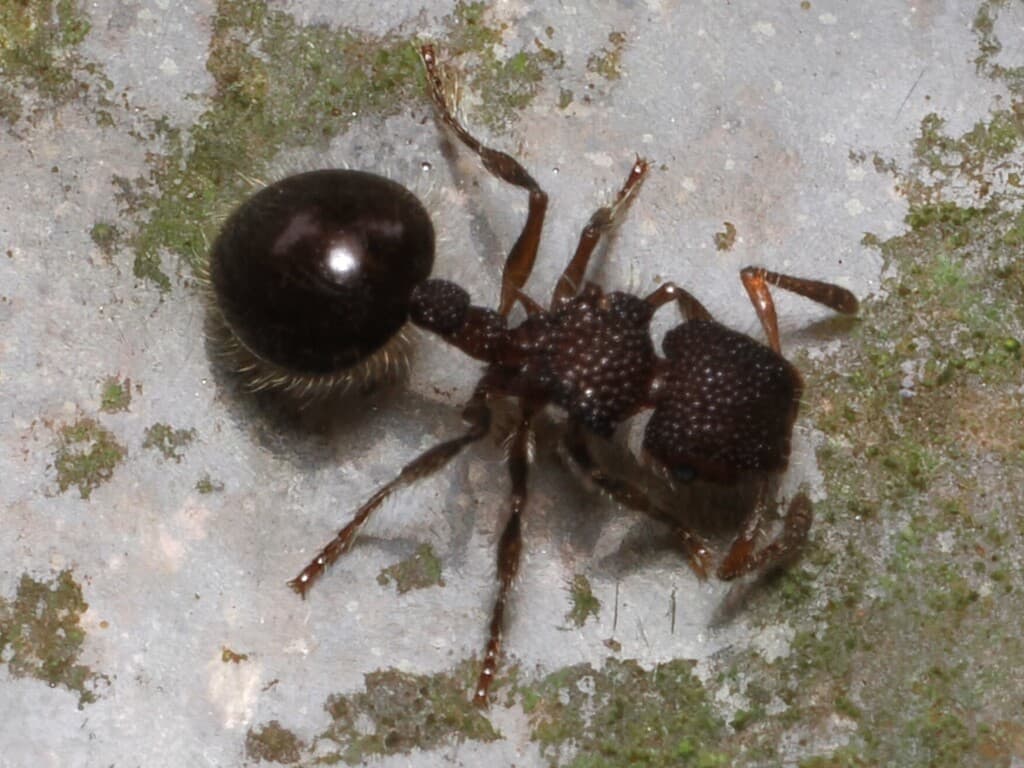
Smooth-bellied Shield Ant
Meranoplus laeviventris
A small shield ant with a black head and gaster and a reddish-brown thorax. Found across Southeast Asia in semi-dry to wet forests. Moderate difficulty to keep.
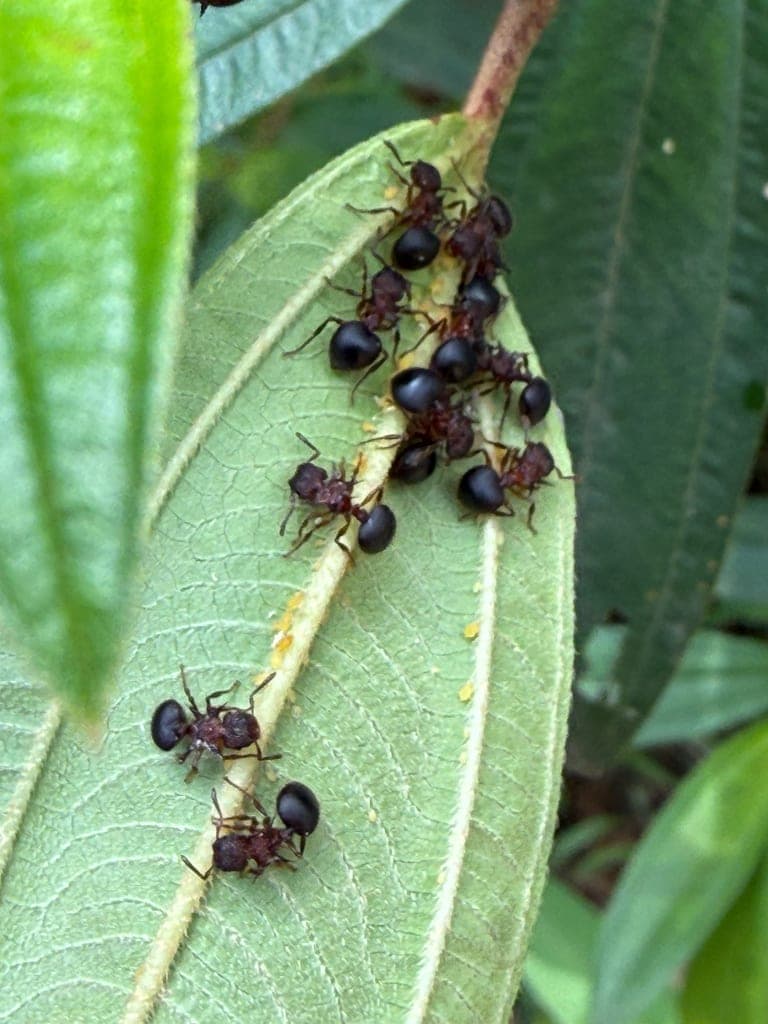
Southern Shield Ant
Meranoplus mucronatus
A shield ant with a black head and gaster contrasting a red-brown thorax. Moves slowly, relying on chemical defenses. Easy to keep, well suited to planted tropical setups.
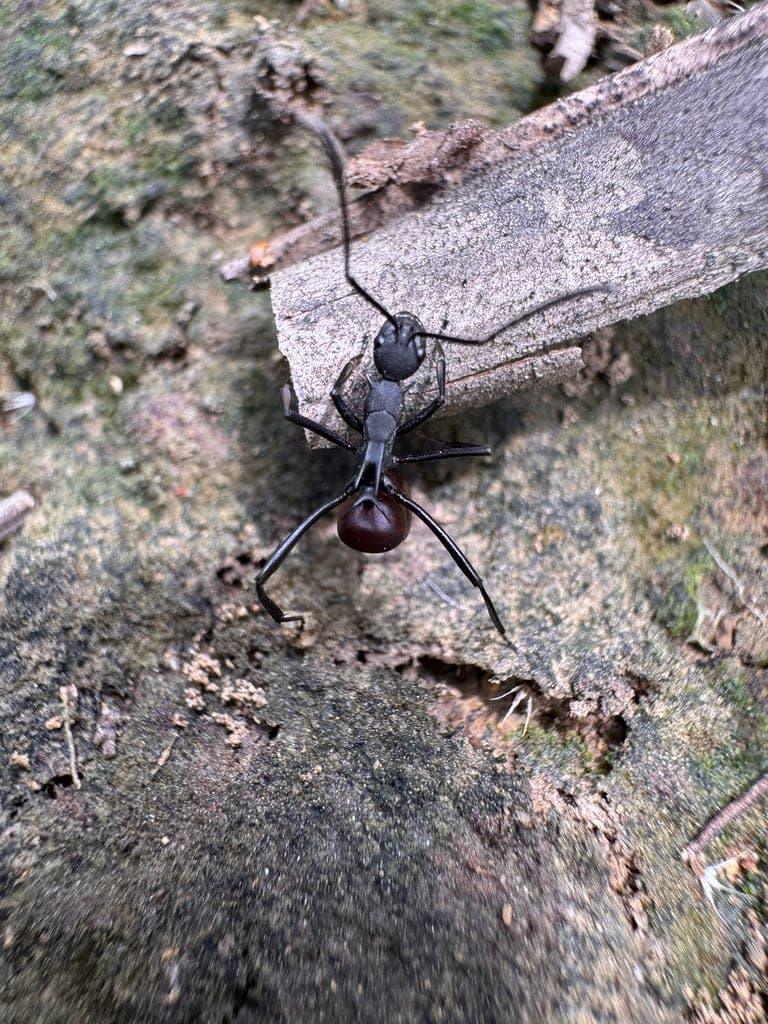
Red Ox Spiny Ant
Polyrhachis abdominalis
A spiny ant from Borneo's rainforests with a shiny, gold-tinted black body and sharp thoracic spines. Easy to keep, no sting, great for spiny-ant beginners.
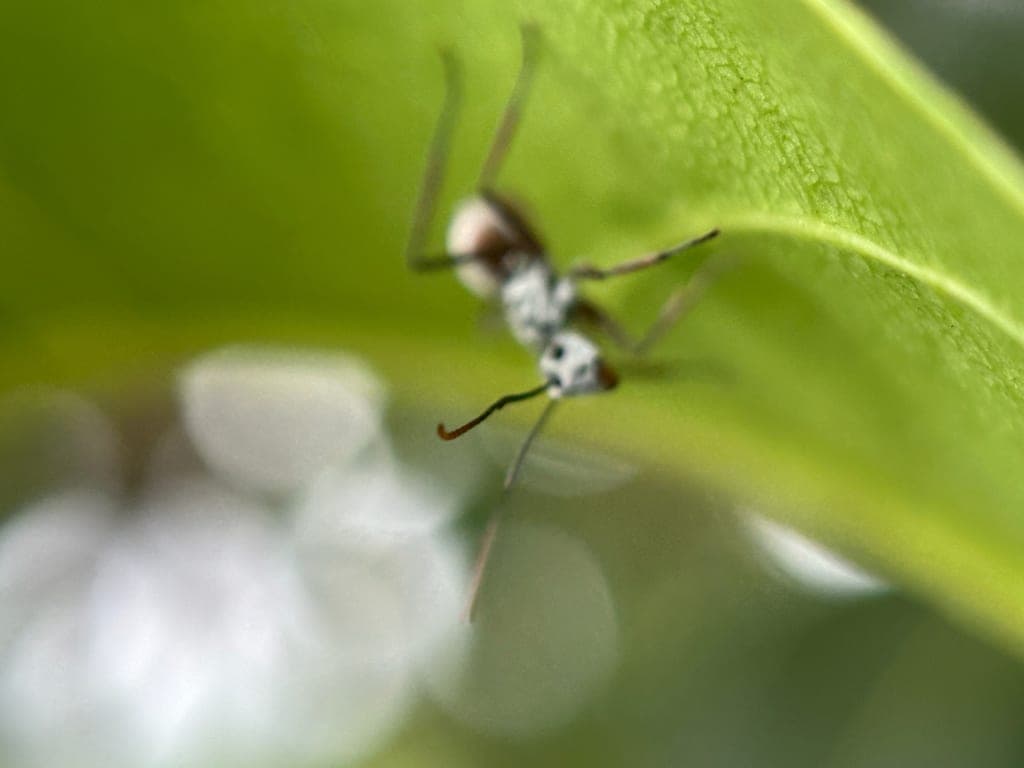
Fire Ox Spiny Ant
Polyrhachis bicolor
A two-toned spiny ant from Borneo, dark body contrasting with reddish-brown legs and antennae. An easy-going spiny ant well-suited for beginners.
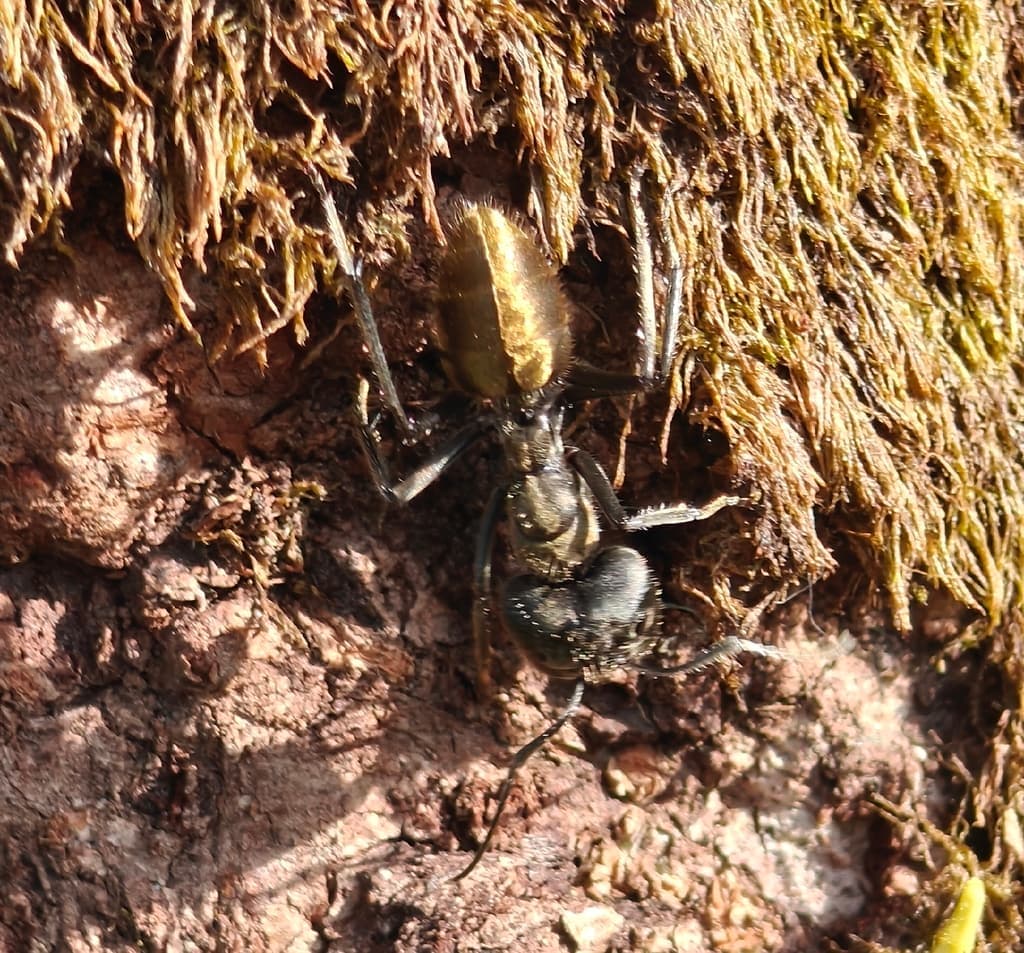
Monster Head Carpenter Ant
Camponotus auriventris
Nicknamed the "Monster Head" carpenter ant abroad for its oversized soldier heads, which defend the nest with striking efficiency.
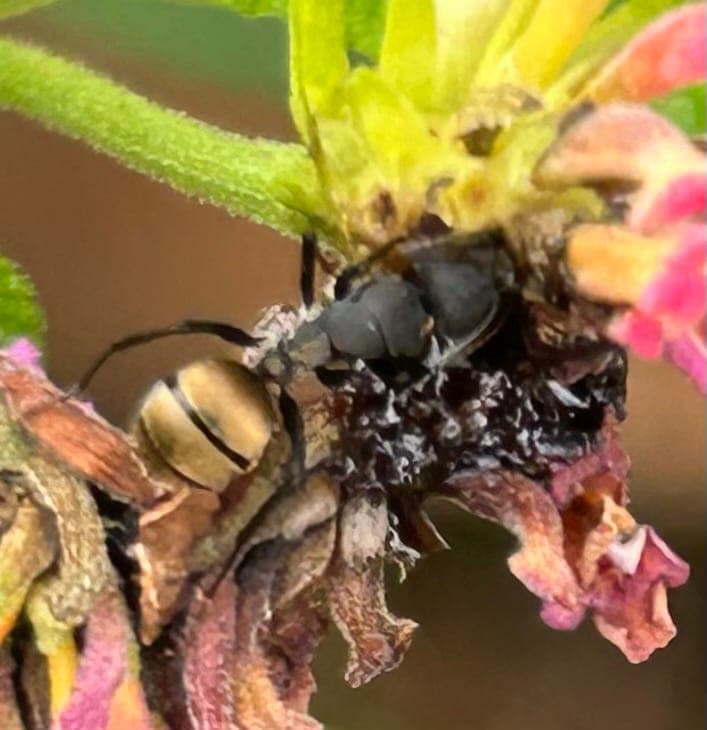
Silky Carpenter Ant
Camponotus sericeus
Unlike most carpenter ants, this species forages in broad daylight. Its body is covered in shimmering golden hair, and it thrives in dry, semi-arid habitats across Africa and Asia.
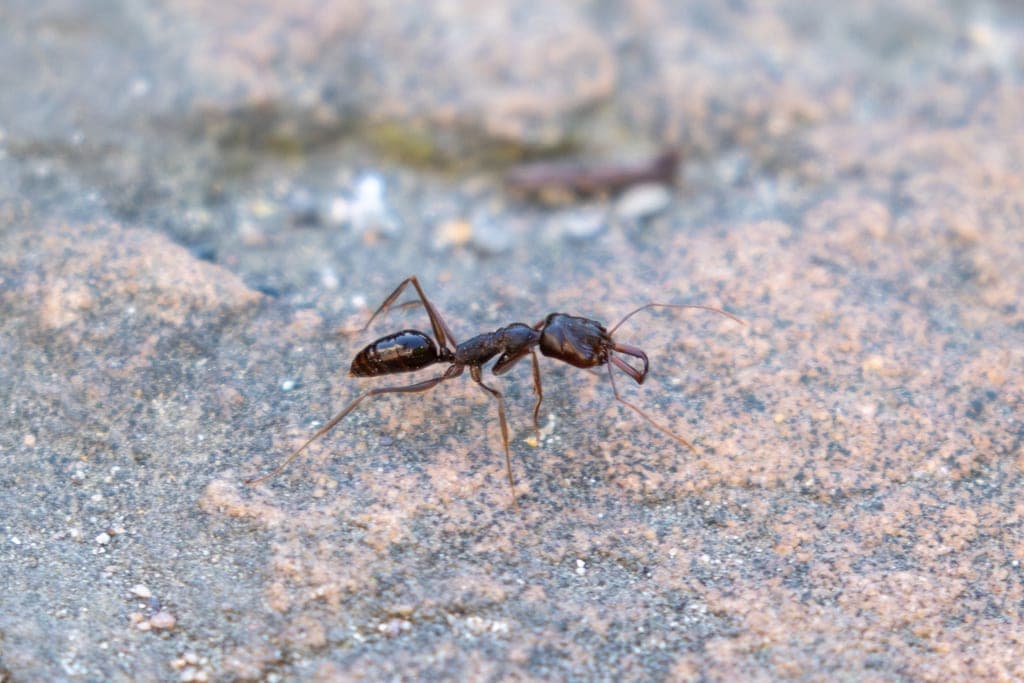
Yellow Jumping Trap-Jaw Ant
Odontomachus rixosus
A yellow-orange trap-jaw ant known for its long snapping mandibles and its ability to jump up to 20 cm to escape danger. A specialized termite hunter beloved by ant keepers.
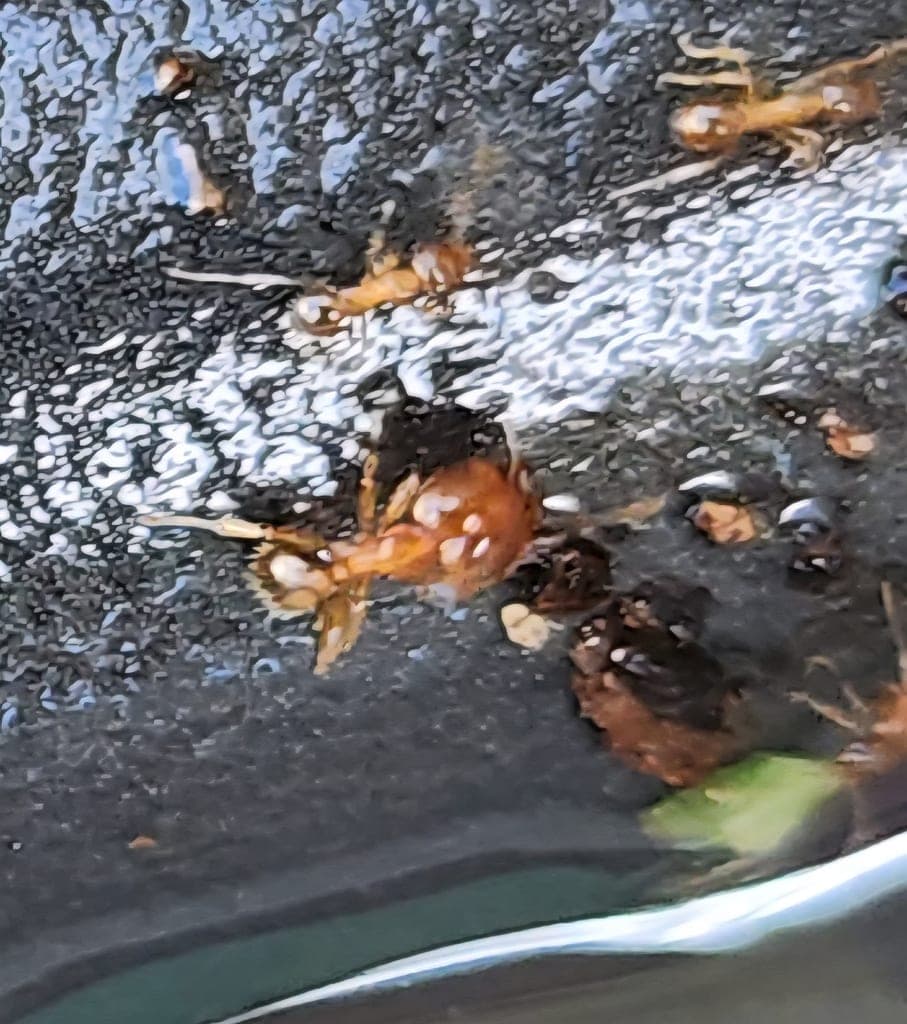
Big-headed Ant
Pheidole megacephala
Named for its soldiers' oversized heads, the Big-headed Ant grows fast and is hard to contain — a moderate-difficulty species that should never be released outside its range.
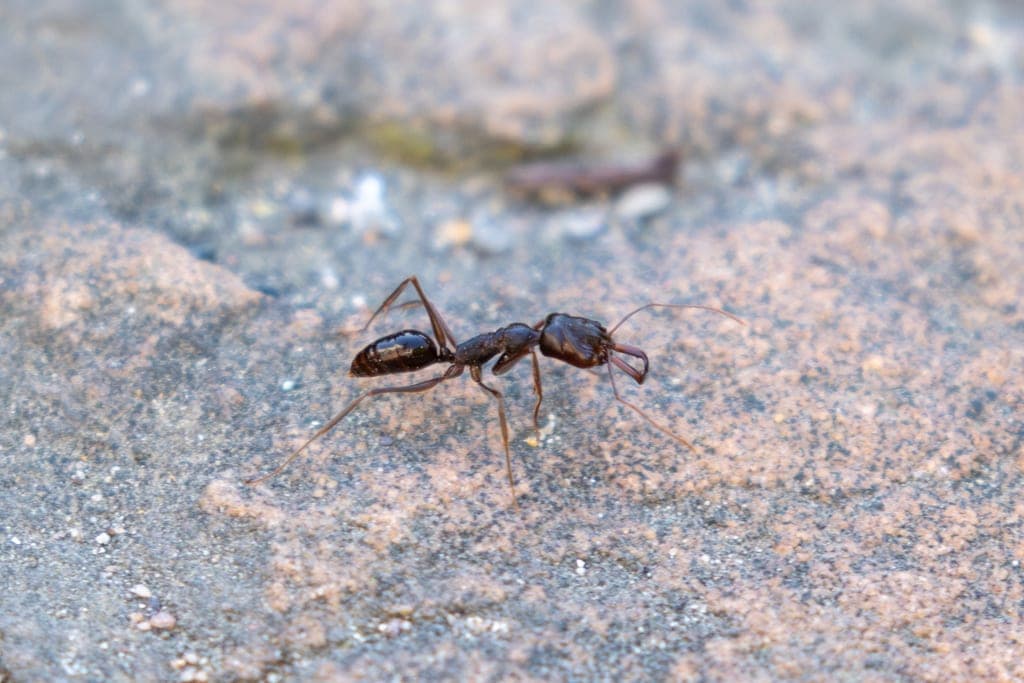
Mountain Trap-Jaw Ant
Odontomachus monticola
A matte-black trap-jaw ant from Asia's mountains with one of the fastest strikes in the animal kingdom, used both to hunt and to catapult itself away from danger. For expert keepers only.
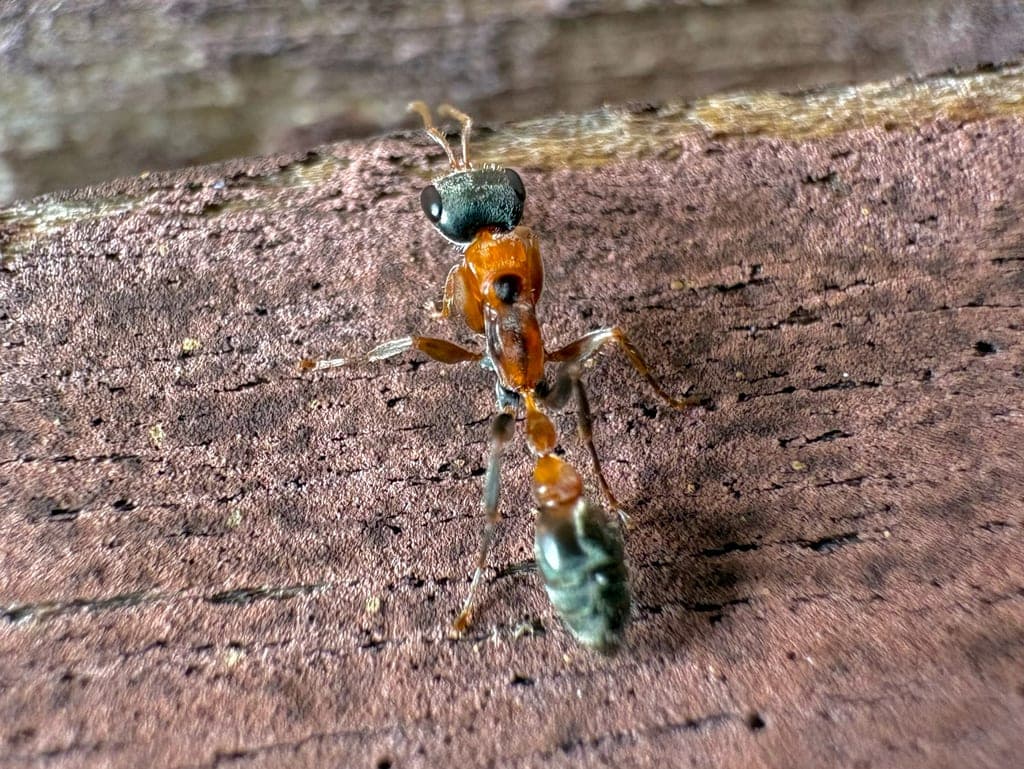
Mexican Twig Ant
Pseudomyrmex gracilis
A slender, wasp-like twig ant from Mexico and tropical America, orange and black with sharp eyesight and a talent for escaping. Best suited for experienced keepers.
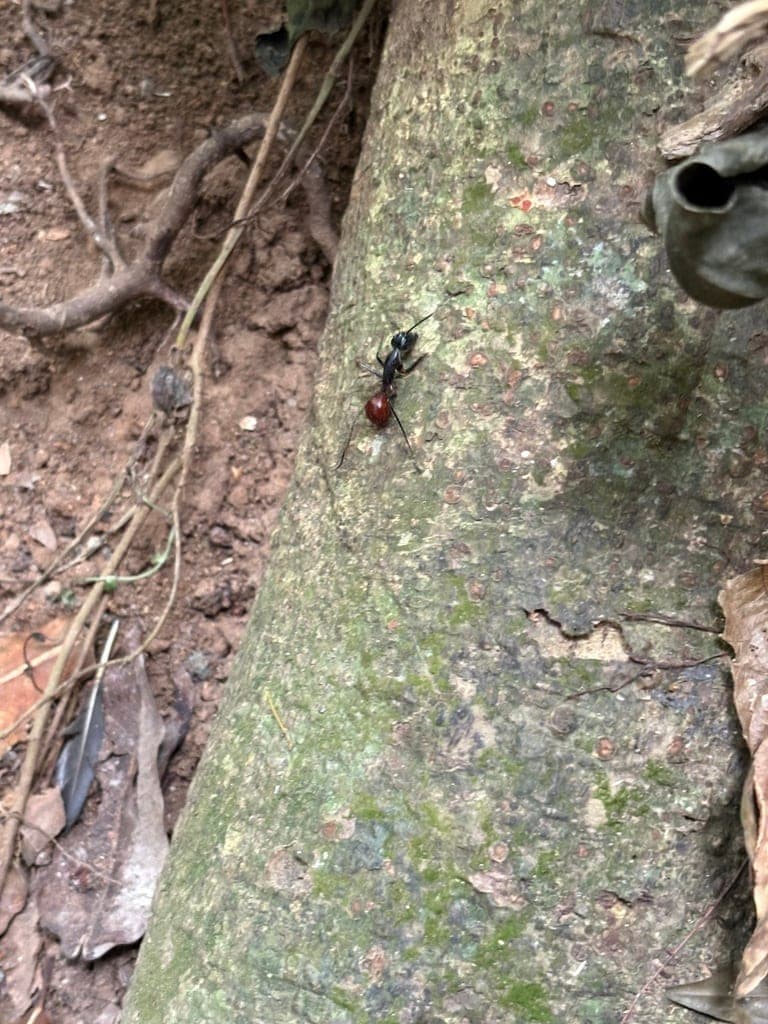
Giant Forest Ant
Dinomyrmex gigas
Thailand's largest ant, with soldiers nearly 3 cm long, was only recently confirmed living in a Songkhla forest. A master-level species that needs serious space and humidity.
Black Garden Ant
Lasius niger
One of the most common ants in the world and the classic starter species for new ant keepers. Extremely hardy and tolerant of imperfect conditions.
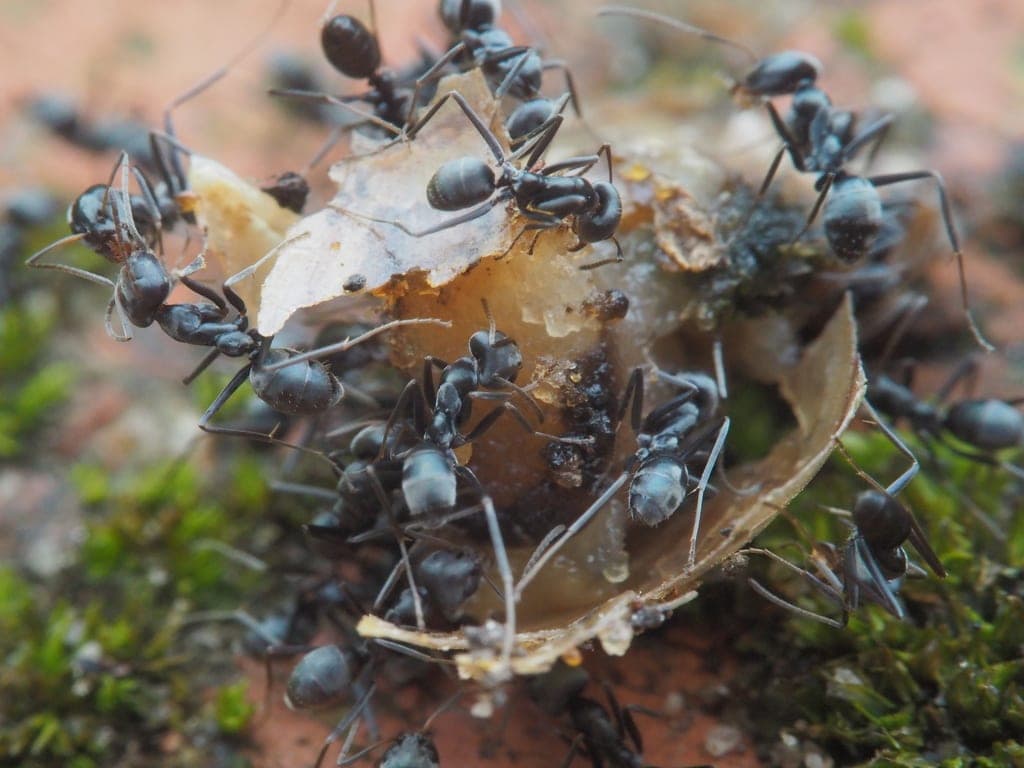
Black Tyrant Ant
Iridomyrmex anceps
A small, fast-moving black ant that builds colonies quickly, the Black Tyrant Ant is easy to keep but demands an escape-proof setup for its unusually agile workers.
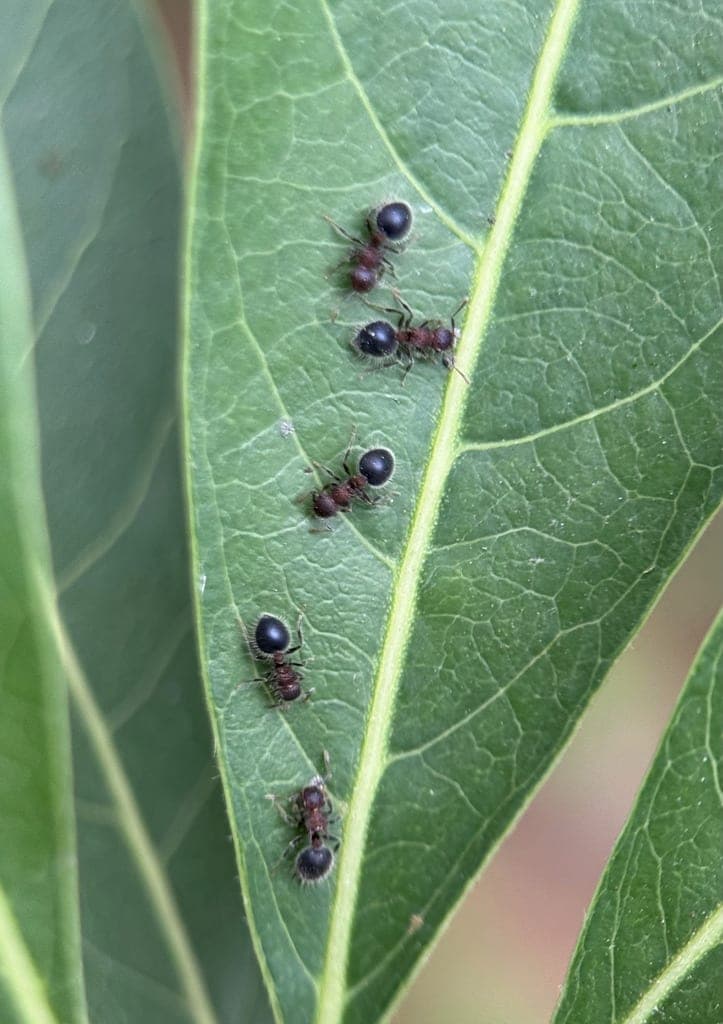
Bicolored Shield Ant
Meranoplus bicolor
The Bicolored Shield Ant (Meranoplus bicolor), or "มดโล่บ้าน" in Thai, is instantly recognizable for the hard, shield-like plate covering its entire thorax like a suit of armor. A shy, slow-moving, docile species found across much of Asia, it's an easy-care ant for beginners that tolerates a wide diet and simple captive setups.
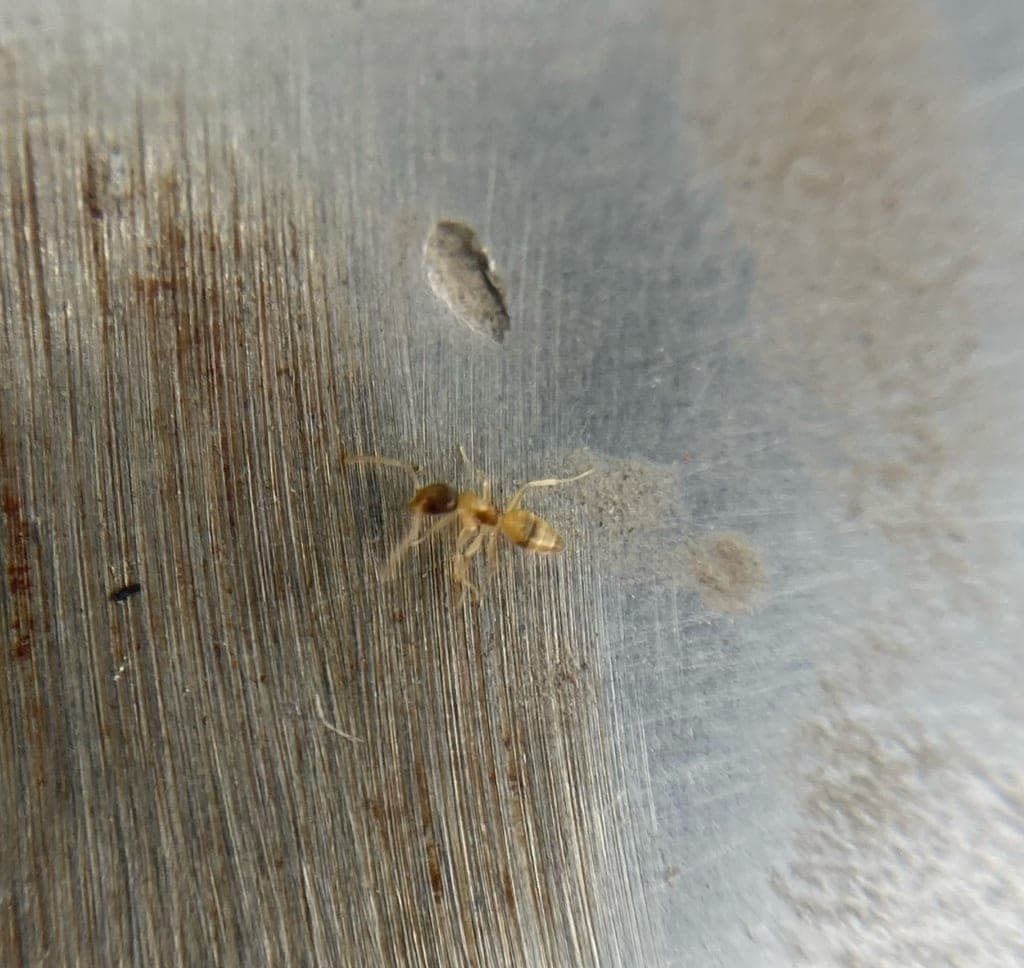
Ghost Ant
Tapinoma melanocephalum
A tiny, translucent ant so pale it looks almost ghostly, moving fast and adapting to nearly any environment. A popular beginner choice for keeping a small indoor ant colony.
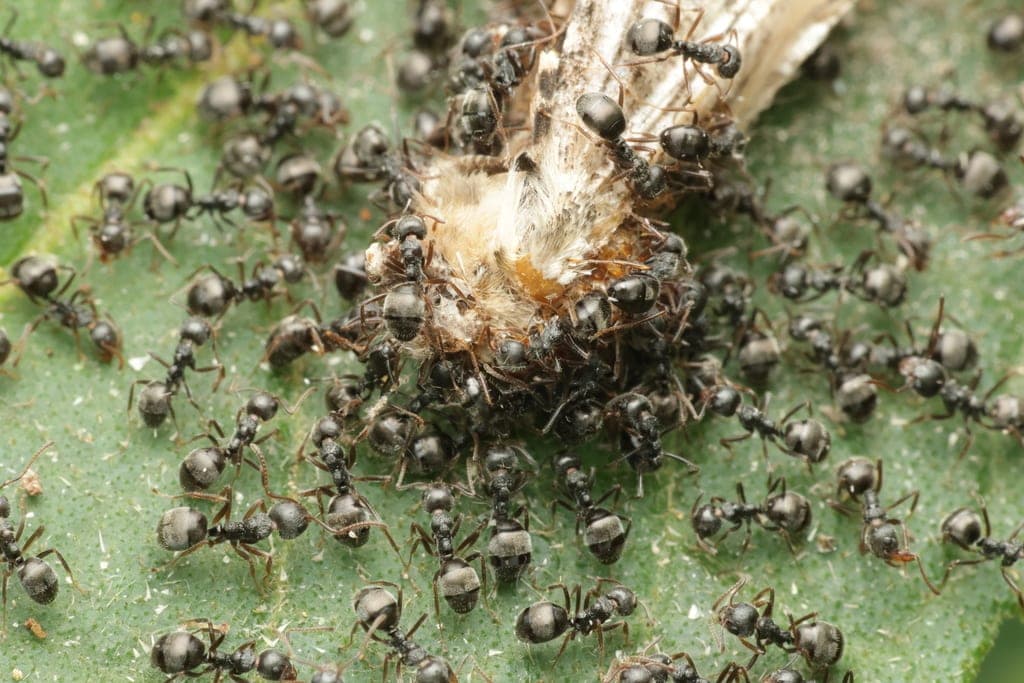
Cocoa Black Ant
Dolichoderus thoracicus
Known to cocoa farmers as a natural pest-control partner, the Cocoa Black Ant is a moderately easy species that grows its colony quickly when cared for well.
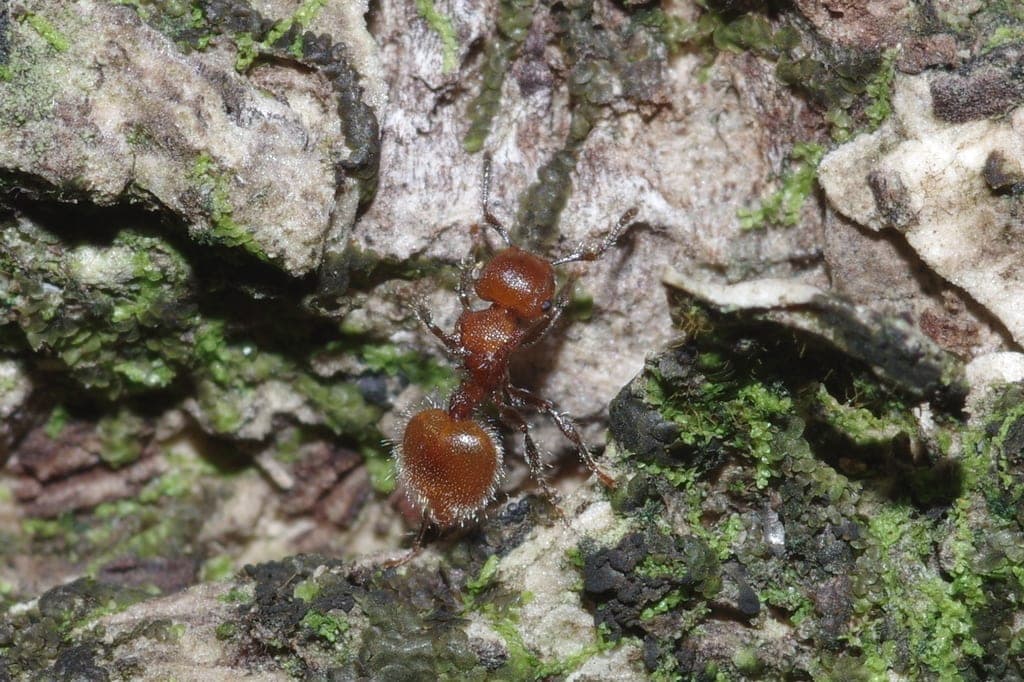
Chestnut Shield Ant
Meranoplus castaneus
A small greyish-brown shield ant that lives high in the rainforest canopy. Found across Southeast Asia including Thailand, calm and non-aggressive.
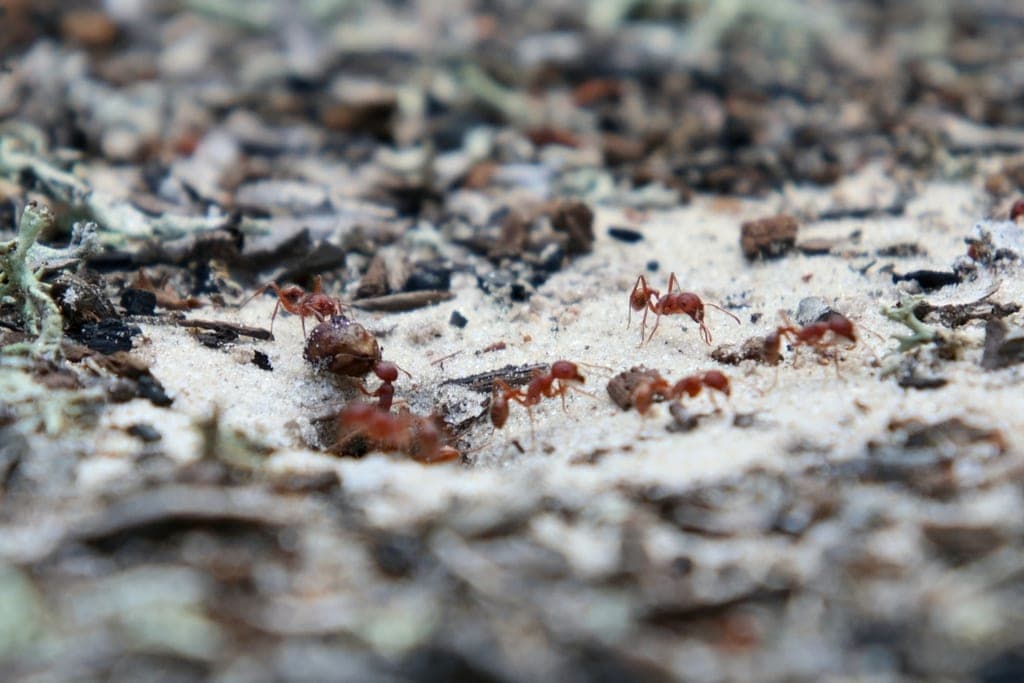
California Harvester Ant
Pogonomyrmex californicus
A reddish-orange seed harvester from the American deserts with a beard of hairs under its head for carrying seeds. Delivers a very painful sting and fiercely defends its territory.
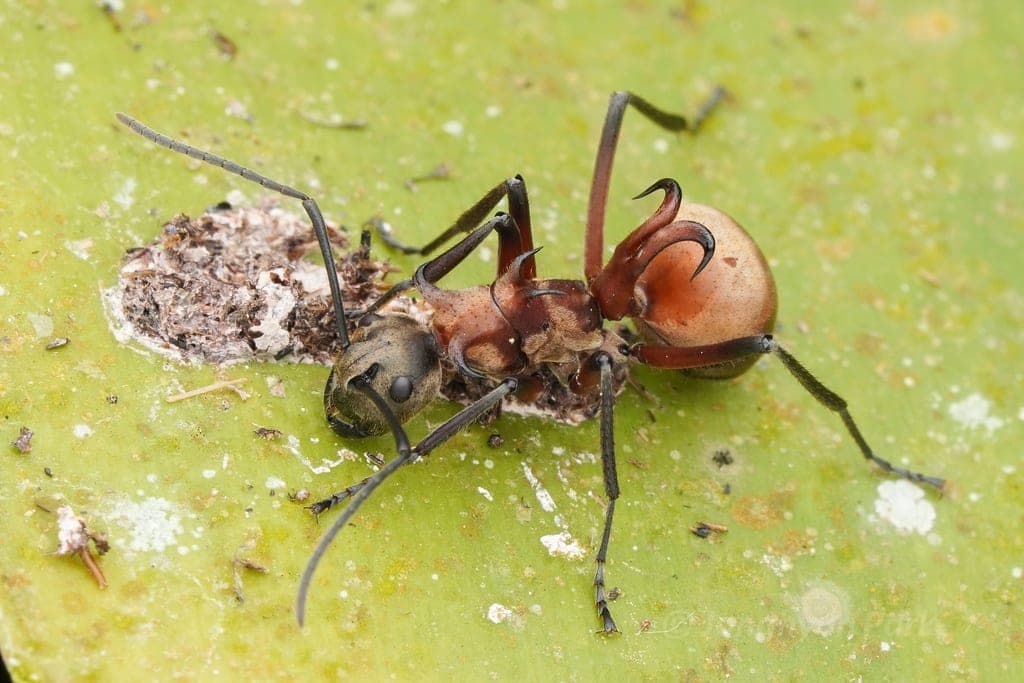
Fish Hook Spiny Ant
Polyrhachis bihamata
A spiny ant with a pair of curved, fish-hook-like spines on its thorax. Glossy black, found in Southeast Asian rainforest. Best suited for keepers with prior tropical ant experience.
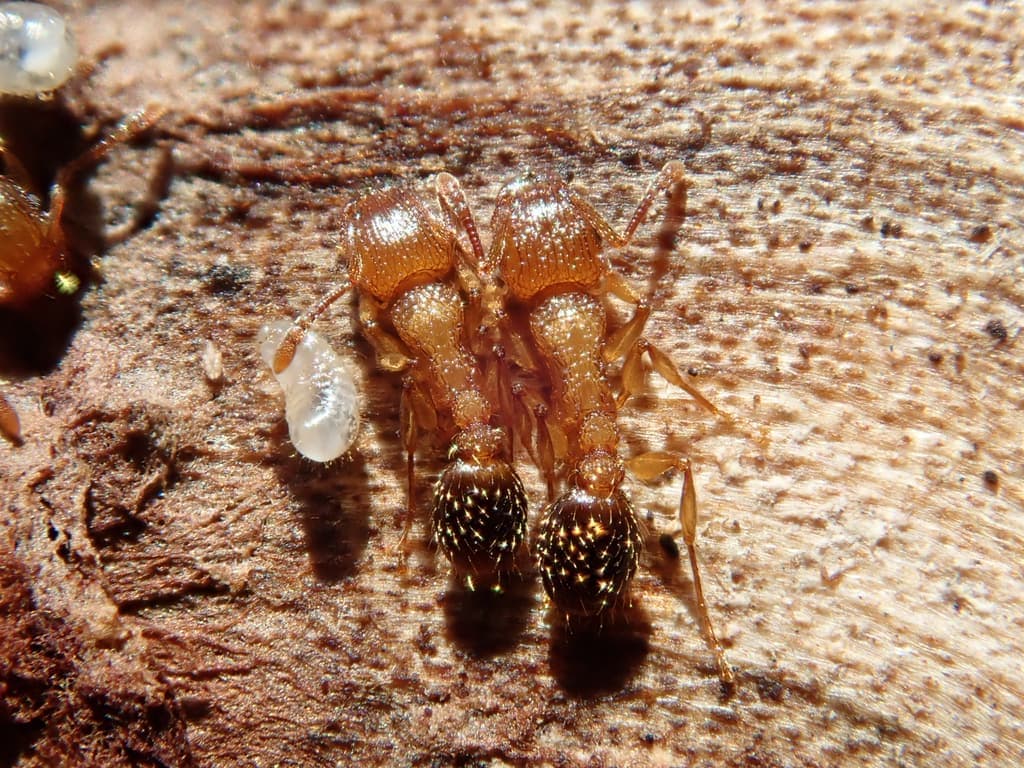
Guinea Ant
Tetramorium bicarinatum
One of the easiest ants to keep: a small reddish-brown ant that grows fast, is very hardy, and lives in multi-queen colonies. A top pick for anyone keeping ants for the first time.
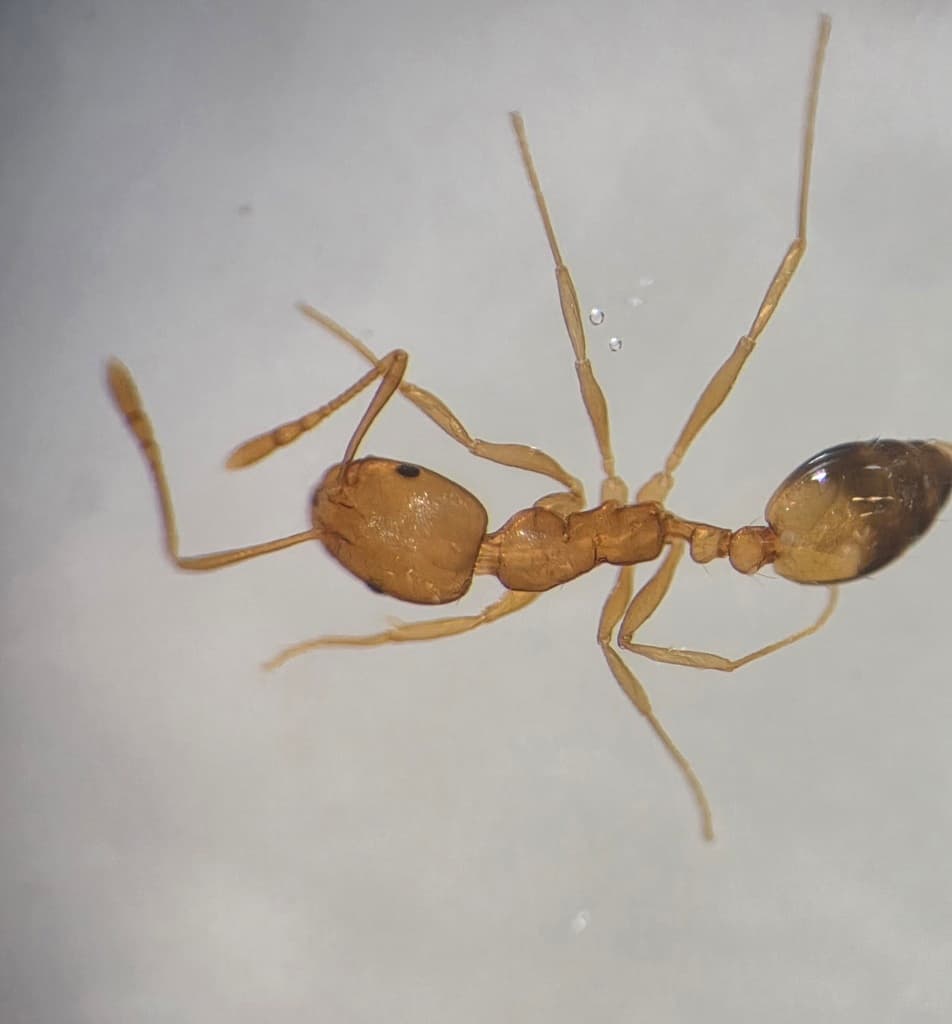
Pharaoh Ant
Monomorium pharaonis
A tiny yellow-brown ant with a highly complex multi-queen society, expanding colonies remarkably fast through budding. Found in homes across the tropics worldwide.
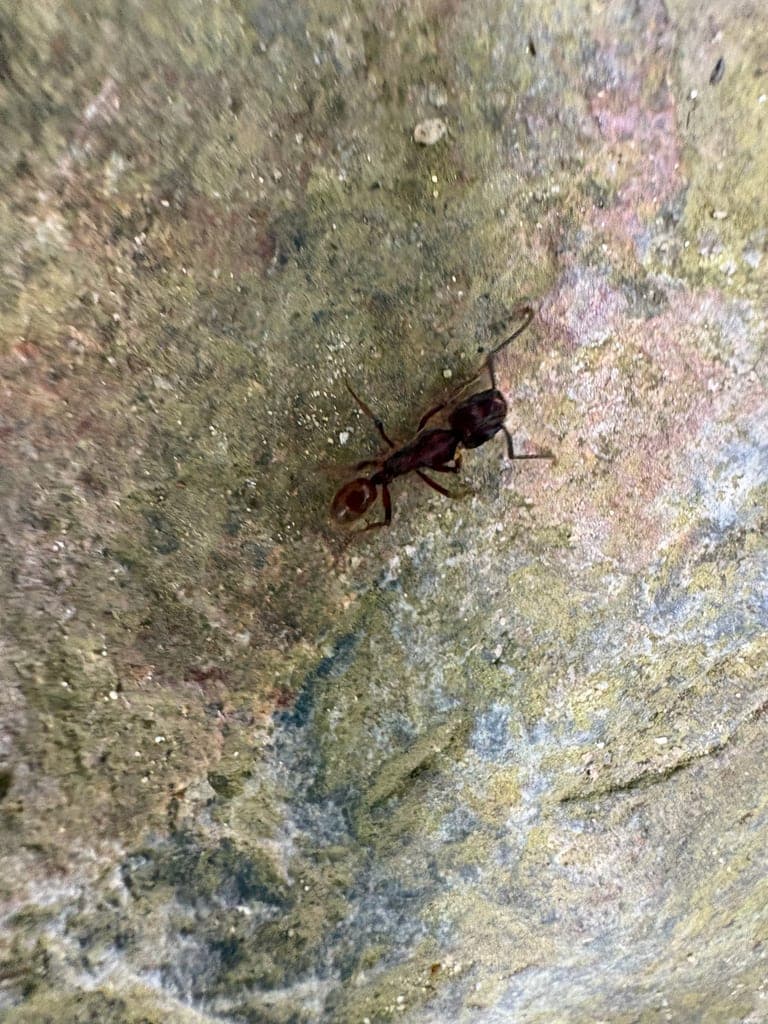
Tooth Ant
Odontoponera transversa
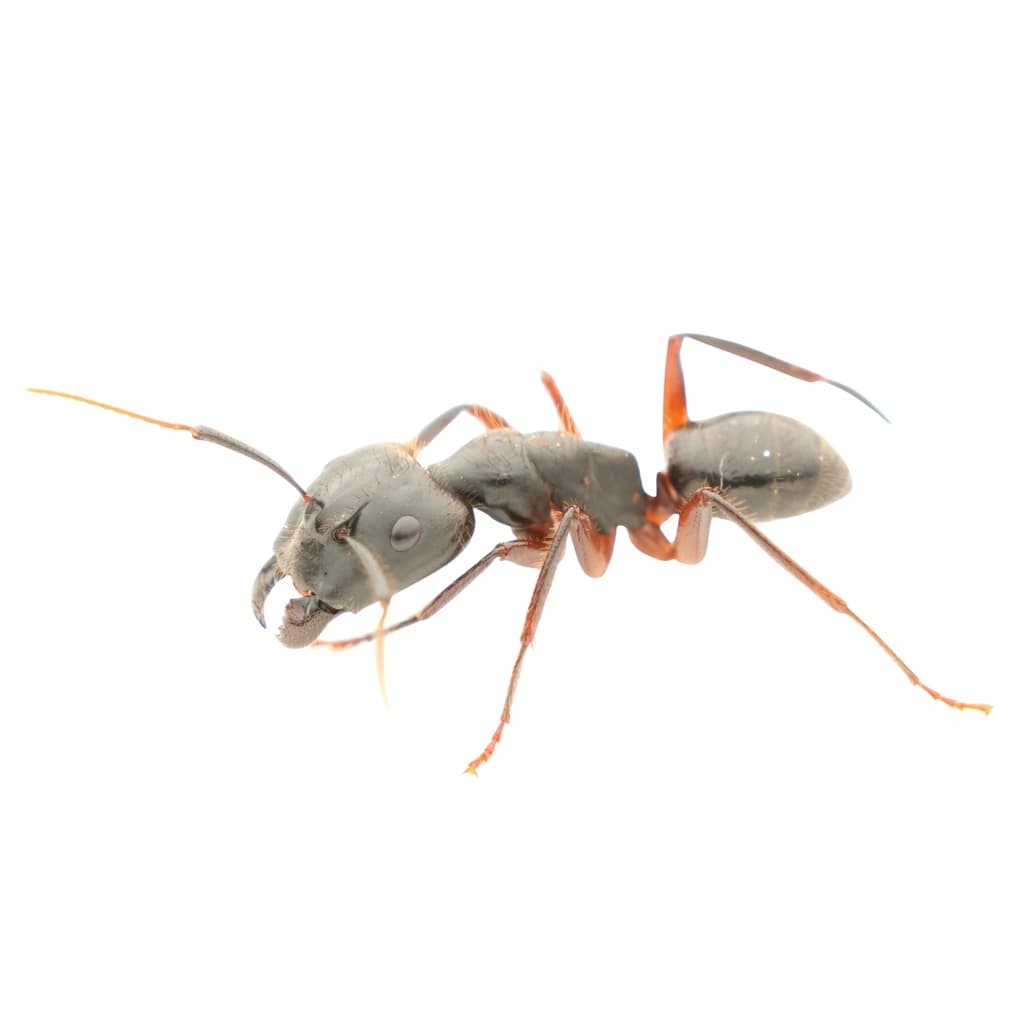
Hairy-legged Carpenter Ant
Camponotus rufifemur
A Javan carpenter ant with reddish-brown legs contrasting against a dark body. Nocturnal and calm-tempered, it's a popular pick in the ant-keeping market for its striking coloration.
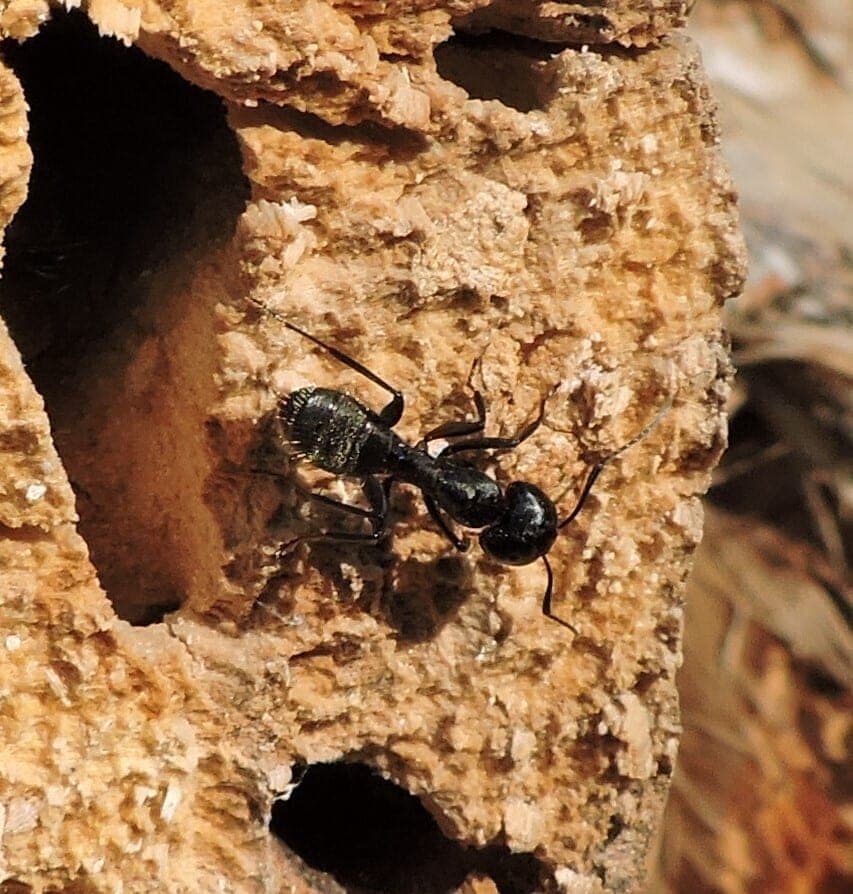
Hairy Wood Carpenter Ant
Camponotus vagus
The European hairy wood ant is entirely jet-black, densely covered in long yellowish-white hairs. Found across Europe into Central Asia, it's known for its feisty temperament and mandatory annual winter hibernation.
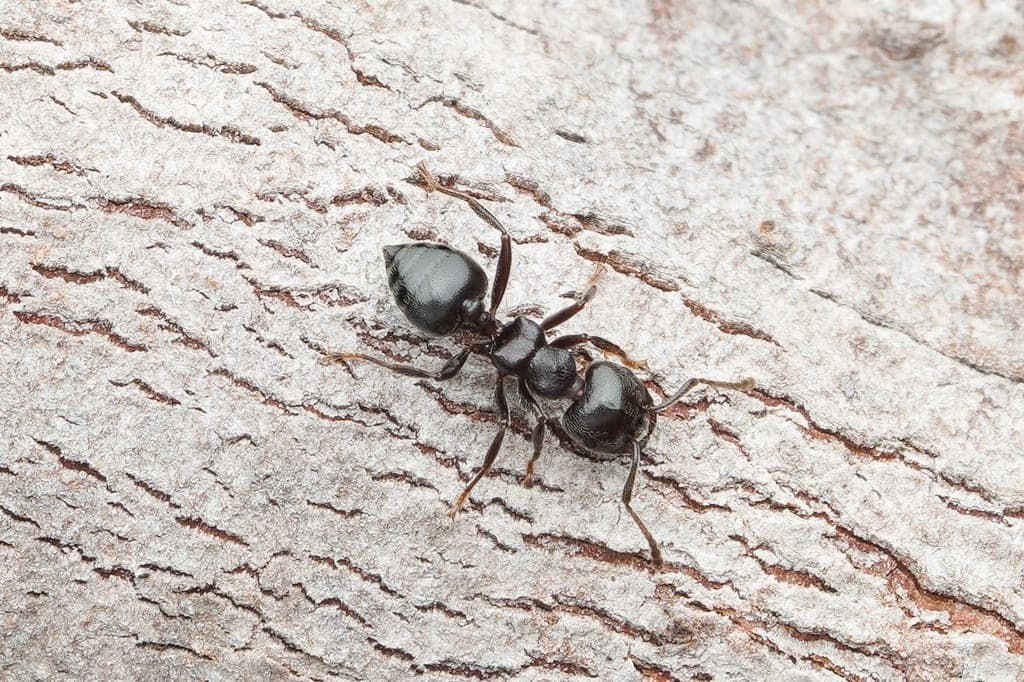
Black Inflated Acrobat Ant
Crematogaster difformis
A tiny black acrobat ant with a highly specialized lifestyle — it nests exclusively inside epiphytic ferns. Found across Southeast Asia including Thailand.
Browse by genus(30)
P
This page is husbandry information only — live ants aren't sold on the site, for the animals' safety in transit.