
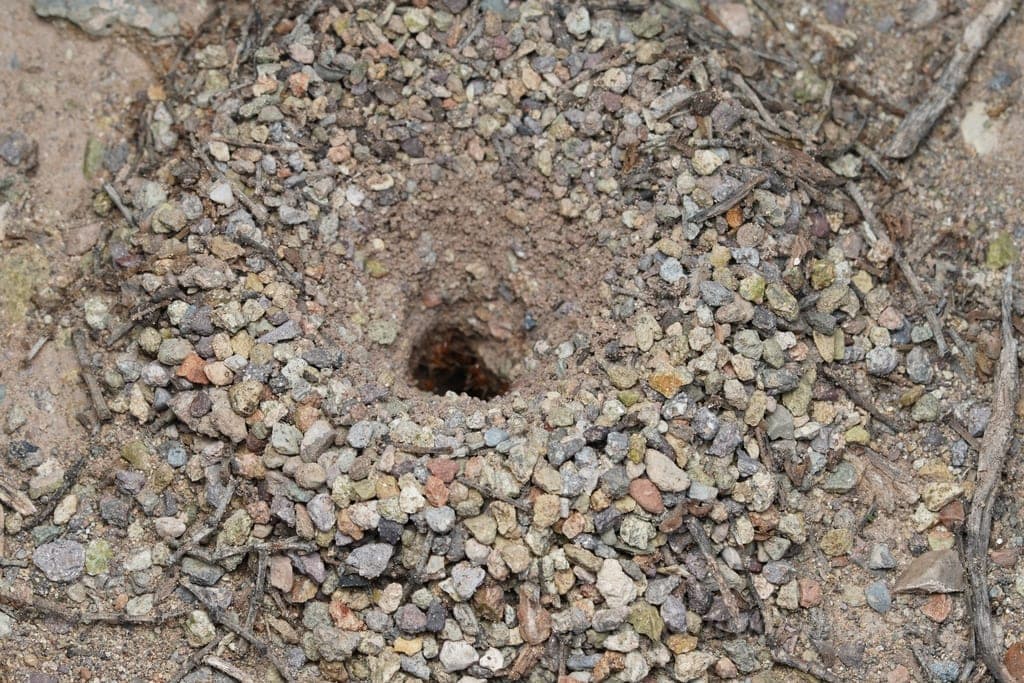
 Live photo
Species & care sheets
Mexican Honeypot Ant
Myrmecocystus mexicanus · มดโถน้ำผึ้ง
Photo © Jonghyun Park · CC BY
A desert honeypot ant from North America with special workers whose gasters swell with stored nectar. One of the most sought-after species in the international ant-keeping hobby.
มดน้ำตาลเมาทะเลทรายเม็กซิกัน จัดอยู่ในสกุลย่อย Myrmecocystus
Overview
Temperature
28-32°C (มีจุดเย็นกว่าสำหรับมดโถ)
Humidity
30-50%
Diet
Sugar · Insects
Nest type
soil/sand / Ytong / 3d-printed
Growth
Medium
Colony size
2,000-5,000 ตัว
- Difficulty — ต้องการสภาพแวดล้อมที่แห้งและมีช่องว่างรังทรงสูงสำหรับมดเก็บน้ำหวาน (repletes) แขวนตัว
- Colony size — รังธรรมชาติที่สมบูรณ์อาจมีประชากรได้มากกว่า 5,000 ถึง 10,000 ตัว
- How often it is found — มีข้อมูลบันทึกพบค่อนข้างมาก เจอได้ไม่ยากนัก — เคยมีวางขายในร้านนักเลี้ยงมดต่างประเทศ (แต่ปัจจุบันหมด/ไม่พร้อมส่ง) · Records in Thailand 0 · Records worldwide 1,475 · Hobbyist market: Was sold, now out of stock
Derived from record counts in global databases (GBIF · AntWeb · iNaturalist), not from how common the ant is in Thailand. — ไม่สามารถประเมินได้ — ไม่มีข้อมูลพิสัยการแพร่กระจายจาก AntWiki
What it eats
Size
Body length by caste, and the ants drawn to scale on a credit card
Actual size against a credit card
Ants are drawn to scale on a standard card (85.6 × 54 mm) — hold a real card against the screen and move the slider until the card matches, and the ants are then life-size.
~7 mm
~10.5 mm
~16 mm
Behaviour & care
Defences
DefensiveBites or stings when disturbed — mind the nest when opening it.
Colony profile
Queens
Single queen (monogyne)
Founding
Claustral
Diapause
Not required
Growth
Medium
In depth
มดคลังเสบียง (repletes) จะห้อยตัวจากเพดานรังในความมืดตลอดชีวิต เพื่อเป็นแหล่งอาหารสำรองให้กับสมาชิกตัวอื่นในยามขาดแคลน
Appearance
Myrmecocystus mexicanus ranges from pale yellow to light brownish-yellow. It is famous for its specialized worker caste known as "repletes", which gorge themselves on liquid food until their abdomens swell into translucent, amber-like globes.
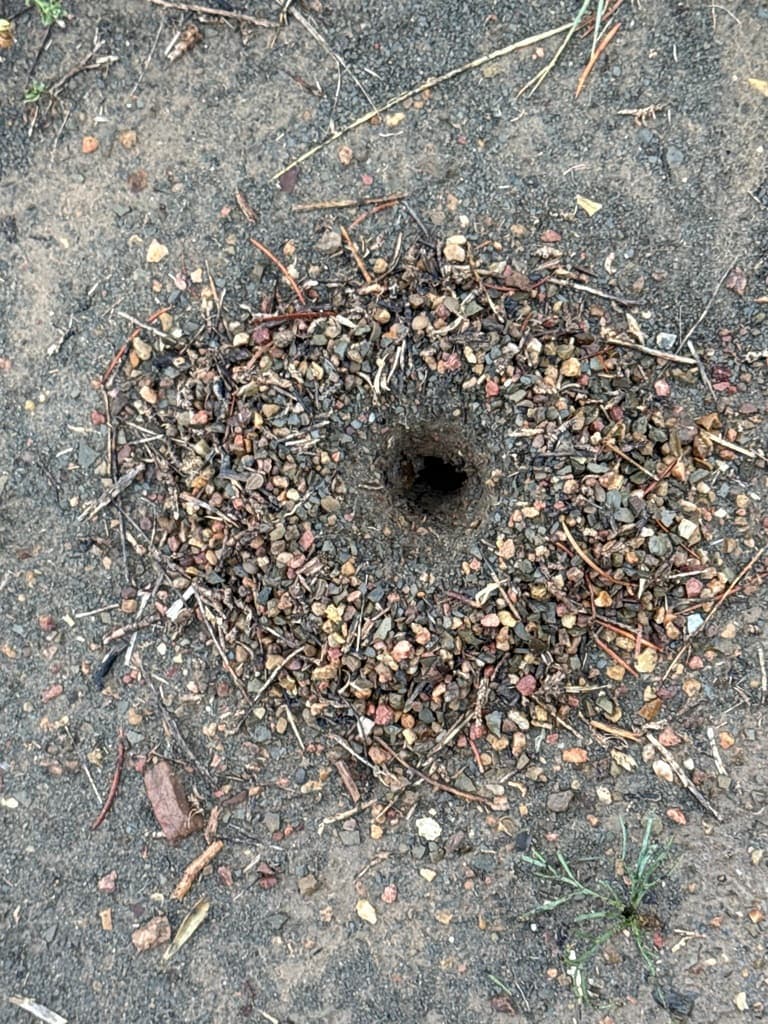
Photo © Michael Shoop · CC BY-NC
Where it lives
Native to arid deserts and scrublands of the southwestern United States and Mexico, where they construct deep underground nests to escape harsh surface temperatures.
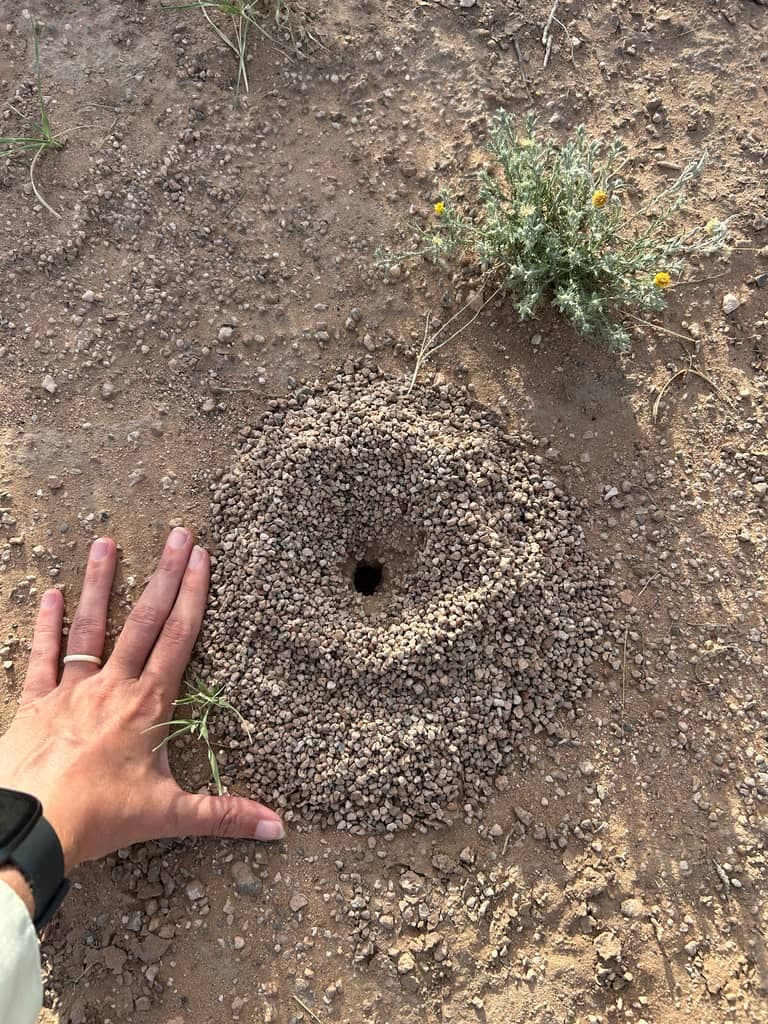
Photo © eschmitt505 · CC BY-NC
Behaviour
They are primarily nocturnal foragers, gathering floral nectar, insect honeydew, and small arthropods at night to feed the colony and store in their repletes.
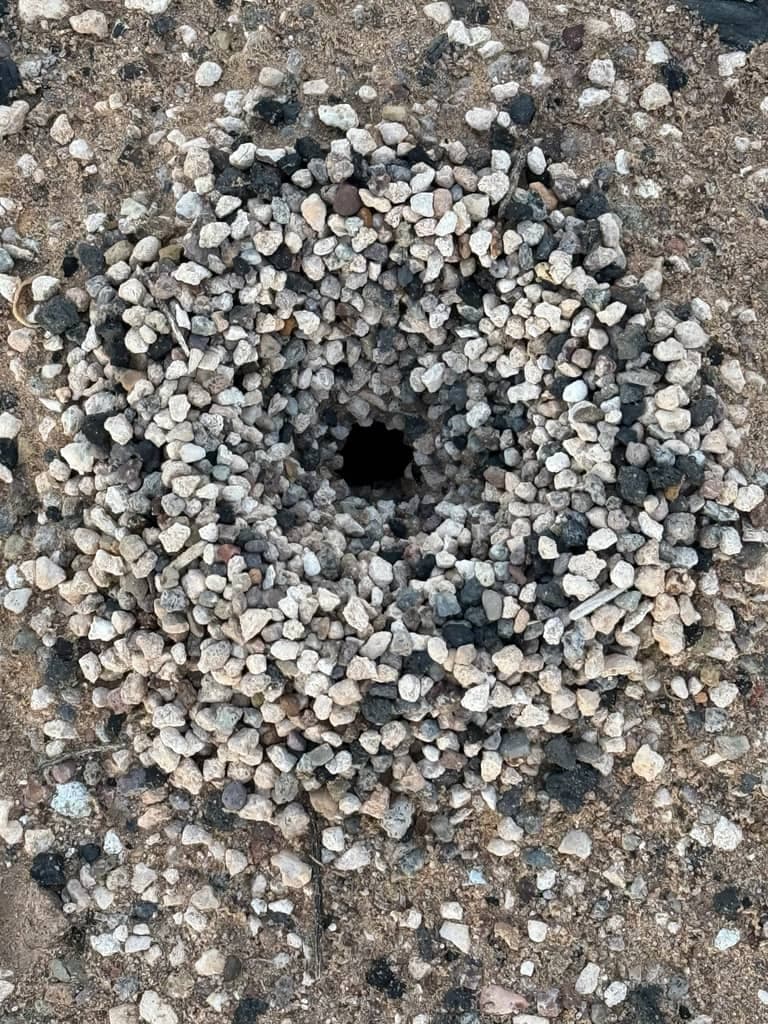
Photo © Blake Cunningham · CC BY-NC
Keeping it
Requires a well-ventilated setup, ideally using sand, Ytong, or 3D-printed nests with high ceiling clearance for repletes to hang safely. Maintain temperatures between 24-28°C and moderate humidity (40-60%).
Where the difficulty is
Sensitive to over-watering and excessive humidity which can cause mold. Rough handling or vibrations can cause delicate, heavy repletes to fall and rupture.
Fun fact
The abdomens of repletes can swell to the size of small grapes. Indigenous peoples of North America historically dug up these nests to eat the repletes as sweet delicacies.
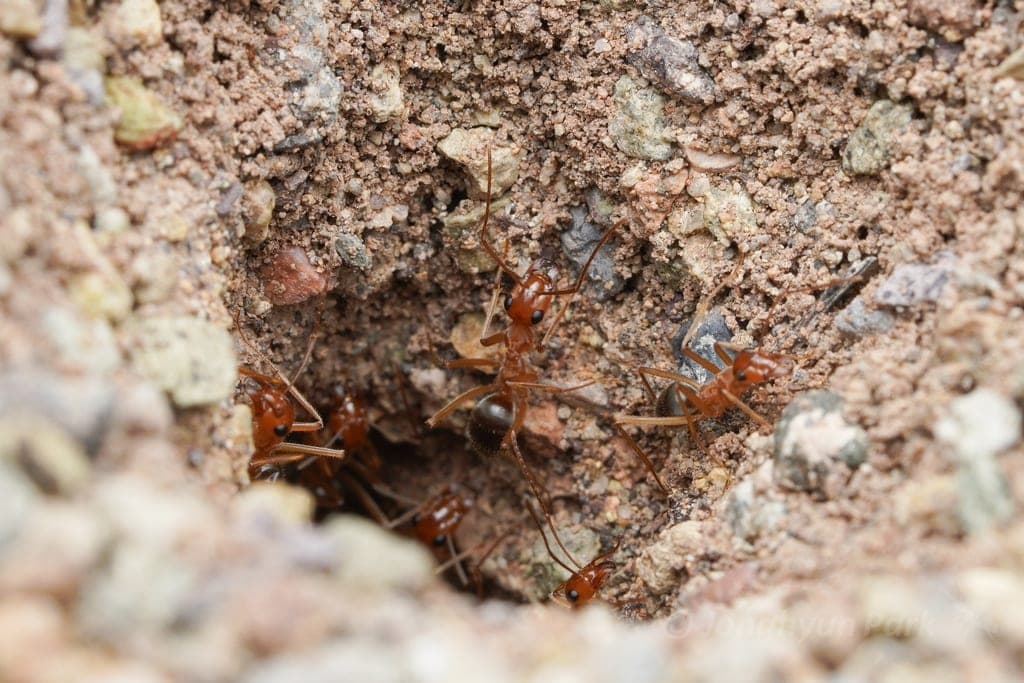
Photo © Jonghyun Park · CC BY
Gallery
Photo © Jonghyun Park · CC BY
Photo © Michael Shoop · CC BY-NC
Photo © eschmitt505 · CC BY-NC
Photo © Blake Cunningham · CC BY-NC
Photo © Jonghyun Park · CC BY
Photo © pseudomyrmex · CC BY-NC
Photo © Will Pearce · CC BY-NC
Photo © Will Pearce · CC BY-NC
Photo © Dylan C Thomas · CC0
Live photographs are by iNaturalist observers under CC BY-NC — every one carries its credit.
Sources
The Thai text is written from the facts in these sources, not copied from them. · Data confidence: สูง
This page is husbandry information only — live ants aren't sold on the site, for the animals' safety in transit.