
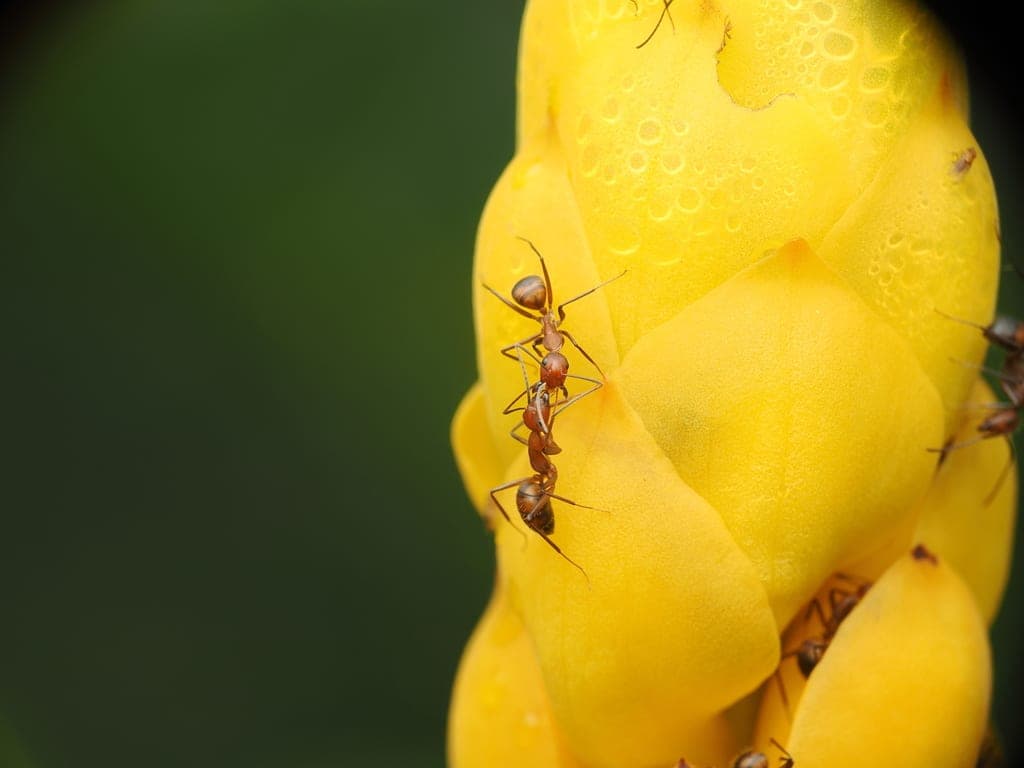
 Live photo
Species & care sheets
Nicobar Carpenter Ant
Camponotus nicobarensis · มดตะลานนิโคบะ
A red-orange and black carpenter ant that grows fast and stays fairly docile. Popular with beginners for its hardiness and easy adaptability, and a top seller at ant shops worldwide.
อยู่ในสกุลย่อย Tanaemyrmex เป็นสายพันธุ์ที่มีความแปรผันของสีสันในแต่ละภูมิภาค
Overview
Temperature
24–28°C
Humidity
60–70%
Diet
Sugar · Insects
Nest type
Acrylic / Ytong / 3D printed / Plaster
Growth
Fast
Colony size
1,000–3,000 ตัว
- Difficulty — เป็นมดที่อดทน เจริญเติบโตได้รวดเร็วมาก และขยายรังได้ง่าย เหมาะสำหรับผู้เริ่มต้นอย่างยิ่ง
- Colony size — รังขนาดใหญ่ที่สมบูรณ์สามารถมีประชากรมากกว่า 10,000 ตัวขึ้นไป
- How often it is found — มดที่มีข้อมูลบันทึกพบมากที่สุดในกลุ่ม เจอได้บ่อยตามธรรมชาติ — มีบันทึกยืนยันพบในไทยโดยตรงด้วย; มีวางขายในตลาดนักเลี้ยงมดต่างประเทศ (มีสต๊อกจริง) · Records in Thailand 34 · Records worldwide 2,901 · Hobbyist market: Sold abroad
Derived from record counts in global databases (GBIF · AntWeb · iNaturalist), not from how common the ant is in Thailand. — น่าเชื่อถือสูง — มีบันทึกพิกัด/ตัวอย่างในไทยจริง (GBIF/AntWeb)
What it eats
Size
Body length by caste, and the ants drawn to scale on a credit card
Actual size against a credit card
Ants are drawn to scale on a standard card (85.6 × 54 mm) — hold a real card against the screen and move the slider until the card matches, and the ants are then life-size.
~7.5 mm
~11.5 mm
~15.5 mm
Behaviour & care
Defences
AggressiveAttacks when disturbed — handle with care.
Colony profile
Queens
Either
Founding
Claustral
Diapause
Not required
Growth
Fast
In depth
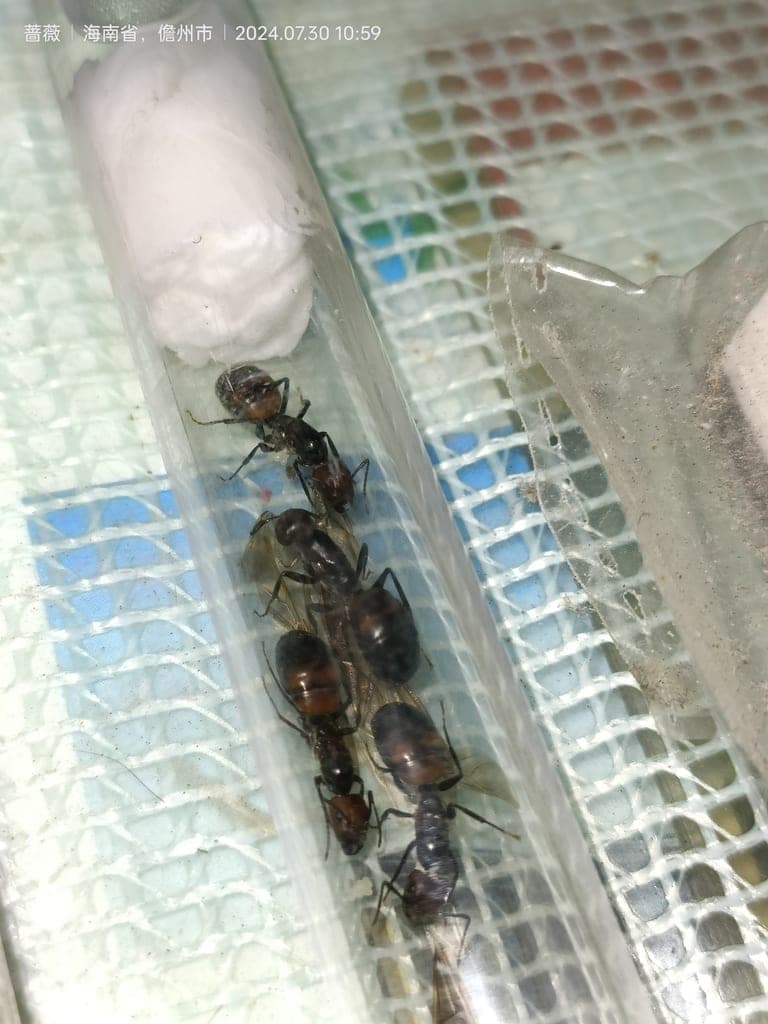
The Nicobar Carpenter Ant (Camponotus nicobarensis) is a red-orange and black carpenter ant that's extremely popular in the global ant-keeping market, thanks to its fast growth, hardiness, and unusually docile temperament for a carpenter ant.
Appearance
Where They're Found
Native to South and Southeast Asia, including India, Bangladesh, Myanmar, Thailand, Malaysia, Indonesia, Singapore, Vietnam, Laos, China, and Taiwan. In the wild it nests in rotting logs, fallen wood, and damp bark.
Notable Behavior: One of the Most Docile Carpenter Ants
The Nicobar Carpenter Ant is known for being unusually docile and non-aggressive. Young colonies tend to forage mostly at night, but once a colony passes about 100 workers it becomes active around the clock. It has no sting, making it safe even for older children to observe.
It's a generalist feeder, eating live prey like crickets and roaches alongside sugar syrup, fruit, jelly, and other protein sources. It's a voracious eater and grows quickly.
This is an easy carpenter ant well suited to beginners, forgiving of care mistakes. The colony size listed (1,000–3,000 workers) reflects a typical size in captivity, though some wild colonies can number in the tens of thousands.
Good to Know
The Nicobar Carpenter Ant is one of the most popular Asian carpenter ants in the international ant-keeping market, prized for its attractive coloring and easy care — a staple offering at ant shops both in Thailand and abroad.
Keeping Them in Captivity
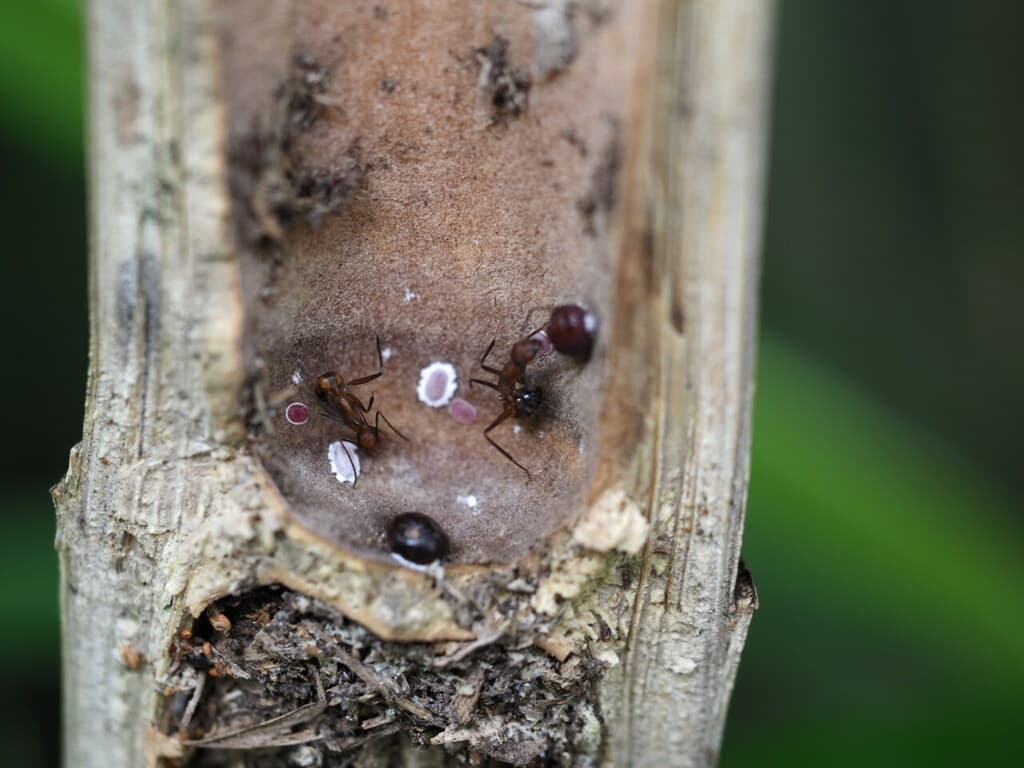
The ideal temperature range is 24–28°C, with humidity around 60–70%. It adapts well and is easy to keep — feed with honey or sugar water alongside a steady supply of insect protein.
Gallery
Photo © aimee · CC BY-NC-ND
Photo © Jonghyun Park · CC BY
Photo © Jonghyun Park · CC BY
Photo © Dallin Kohler · CC BY-NC
Live photographs are by iNaturalist observers under CC BY-NC — every one carries its credit.
Sources
The Thai text is written from the facts in these sources, not copied from them. · Data confidence: สูง
This page is husbandry information only — live ants aren't sold on the site, for the animals' safety in transit.