
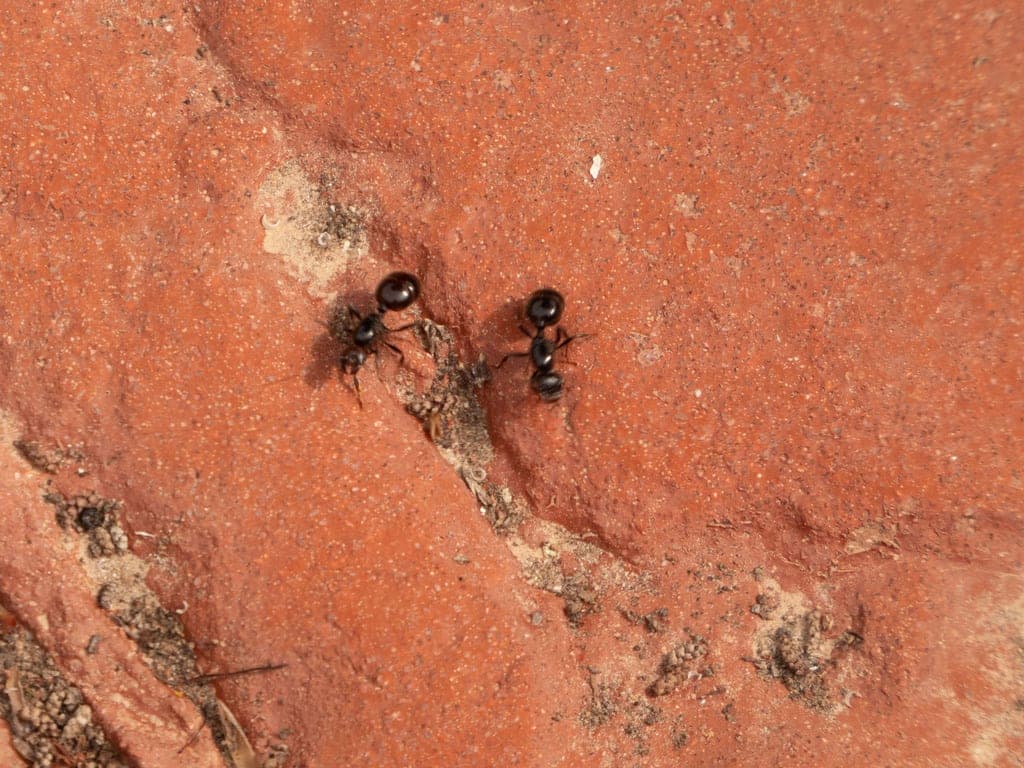
 Live photo
Species & care sheets
Black Harvester Ant
Messor barbarus · มดเมล็ดพืช
Photo © CarmenSalcedoBe · CC BY-NC
Often called the 'perfect pet ant,' this seed-harvesting species from Europe and North Africa is tough, low-maintenance, and shows off a striking range of worker sizes in one colony.
Overview
Temperature
24–28°C
Humidity
40–60%
Diet
Sugar · Insects · Seeds
Nest type
Ytong / Acrylic / Plaster
Growth
Medium
Colony size
1,000–5,000 ตัว
- Difficulty — เลี้ยงง่าย เหมาะสำหรับผู้เริ่มต้น แต่ต้องการระยะฟักตัวในฤดูหนาว (Diapause) และต้องระวังเรื่องความชื้นในส่วนเก็บเมล็ดพืช
- Colony size — รังที่สมบูรณ์เต็มที่อาจมีประชากรมากกว่า 10,000 ตัว
- How often it is found — มดที่มีข้อมูลบันทึกพบมากที่สุดในกลุ่ม เจอได้บ่อยตามธรรมชาติ — มีวางขายในตลาดนักเลี้ยงมดต่างประเทศ (มีสต๊อกจริง) · Records in Thailand 0 · Records worldwide 7,661 · Hobbyist market: Sold abroad
Derived from record counts in global databases (GBIF · AntWeb · iNaturalist), not from how common the ant is in Thailand. — ไม่สามารถประเมินได้ — ไม่มีข้อมูลพิสัยการแพร่กระจายจาก AntWiki
What it eats
Size
Body length by caste, and the ants drawn to scale on a credit card
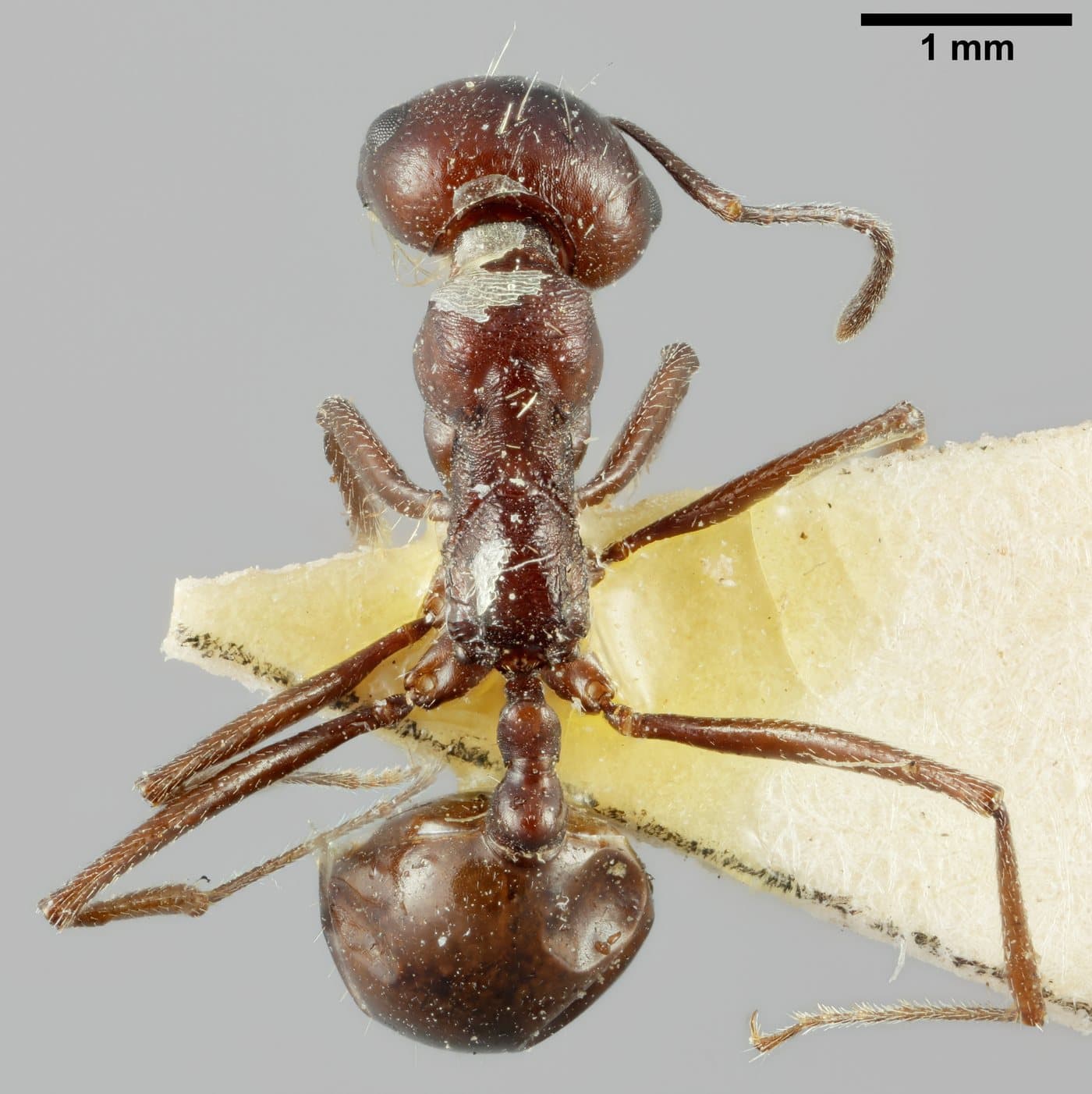
A museum specimen of that caste (source under the plate); castes without one show the number alone.
Actual size against a credit card
Ants are drawn to scale on a standard card (85.6 × 54 mm) — hold a real card against the screen and move the slider until the card matches, and the ants are then life-size.
~5.5 mm
~11.5 mm
~15 mm
Behaviour & care
Defences
DefensiveBites or stings when disturbed — mind the nest when opening it.
Colony profile
Queens
Single queen (monogyne)
Founding
Claustral
Diapause
Required
Growth
Medium
In depth
มดงานใหญ่ใช้ขากรรไกรอันทรงพลังบดเมล็ดพืชผสมกับน้ำย่อยจนกลายเป็น "ขนมปังมด" (Ant bread) เพื่อใช้เป็นอาหารหลักเลี้ยงดูตัวอ่อนและสมาชิกในรัง
Appearance
Messor barbarus exhibits striking worker polymorphism. Major workers feature massive, bright red to reddish-orange heads equipped with powerful jaw muscles.
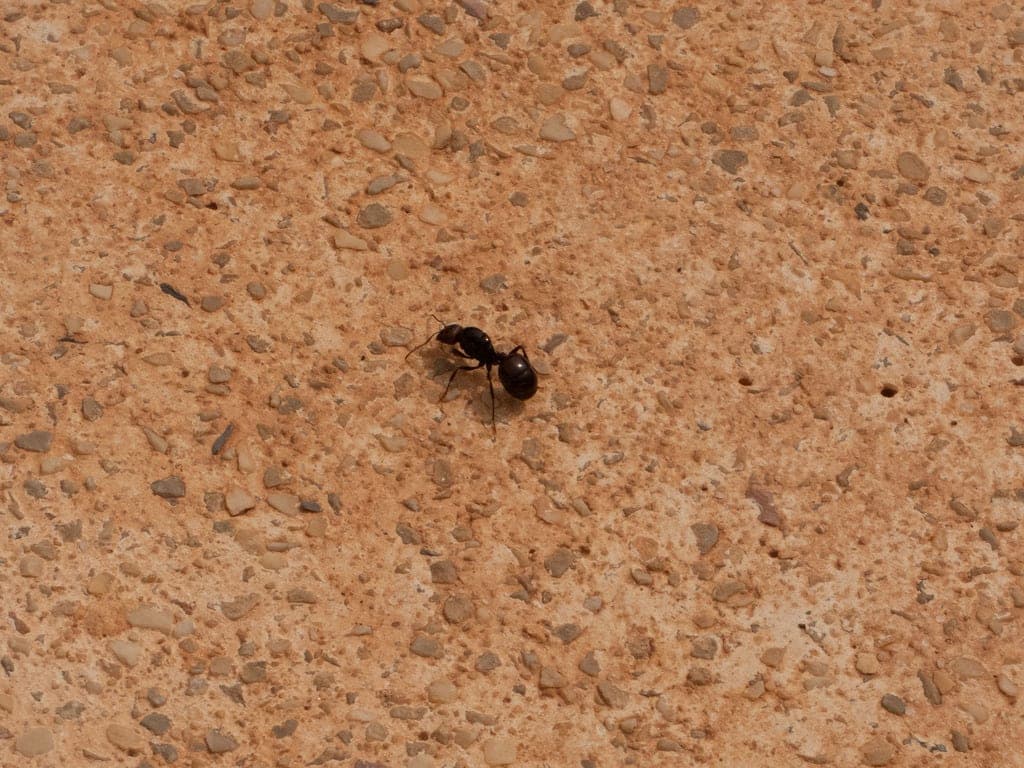
Photo © CarmenSalcedoBe · CC BY-NC
Where it lives
Widespread across the Mediterranean region, Southern Europe, and North Africa, inhabiting dry grasslands, shrublands, and agricultural fields.
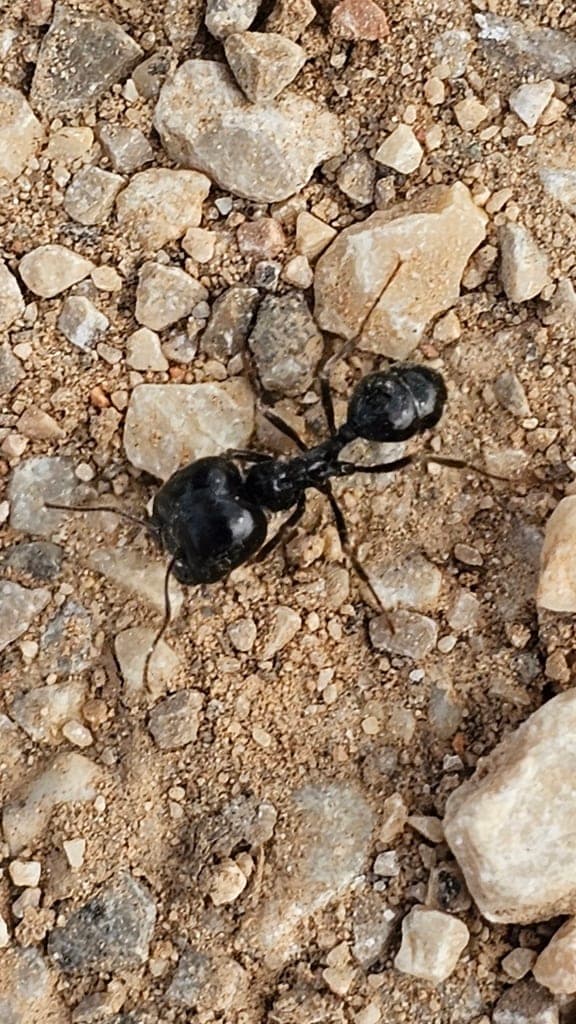
Photo © Petrica Dema · CC BY-NC
Behaviour
They primarily forage for seeds, forming distinct trails. They are non-stinging ants that rely on defensive biting when threatened.
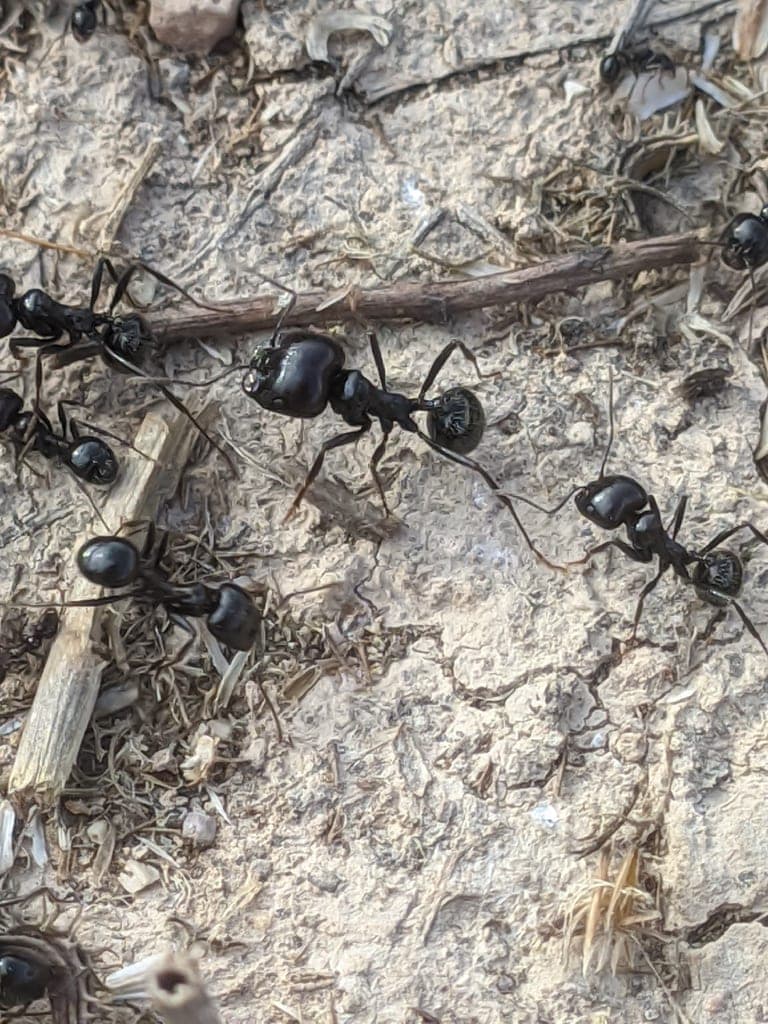
Photo © Finlay F. K. Thorpe · CC BY-NC
Keeping it
Thrives in Ytong, acrylic, or plaster nests. The nest setup must include a dry section for seed storage to prevent mold and a humid area for the brood. Feed a diet of diverse seeds, supplemented with small feeder insects and sugar water.
Where the difficulty is
Requires a winter diapause period at around 12-15°C for 2-3 months. Founding queens are easily stressed by vibrations and light, requiring quiet conditions.
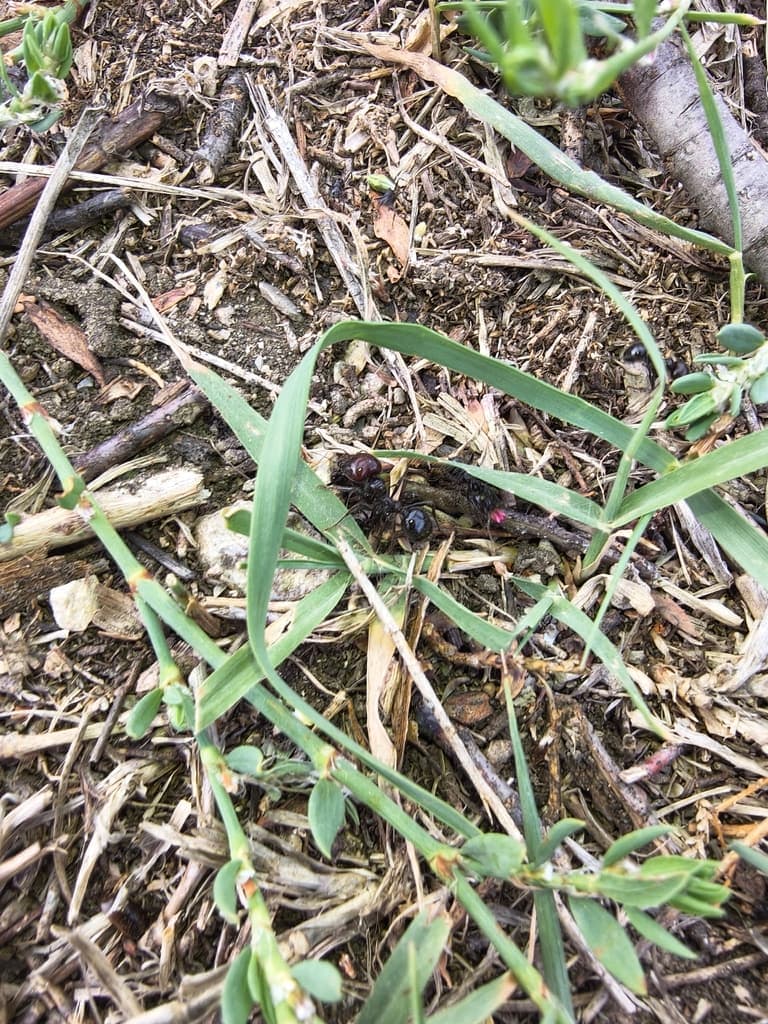
Gallery
Photo © CarmenSalcedoBe · CC BY-NC
Photo © CarmenSalcedoBe · CC BY-NC
Photo © Petrica Dema · CC BY-NC
Photo © Finlay F. K. Thorpe · CC BY-NC
Photo © Aleks Lund. · CC BY-NC
Photo © Aleks Lund. · CC BY-NC
Photo © Aleks Lund. · CC BY-NC
Photo © Nico Hernandez · CC BY
Live photographs are by iNaturalist observers under CC BY-NC — every one carries its credit.
Sources
The Thai text is written from the facts in these sources, not copied from them. · Data confidence: สูง
This page is husbandry information only — live ants aren't sold on the site, for the animals' safety in transit.