
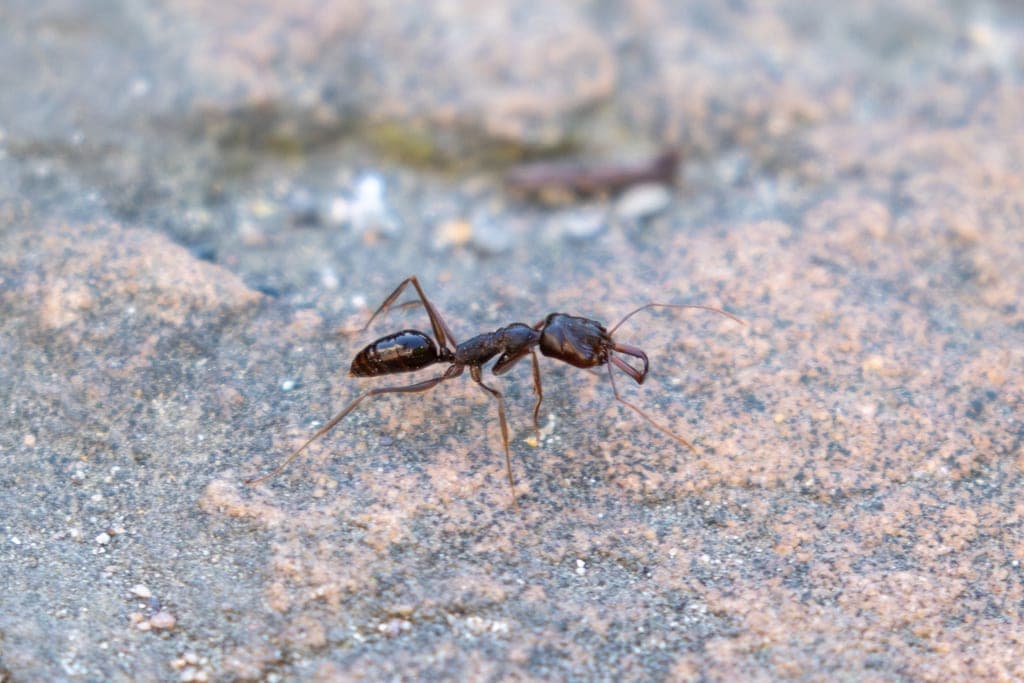
 Live photo
Species & care sheets
Yellow Jumping Trap-Jaw Ant
Odontomachus rixosus · มดกระโดดเหลือง
A yellow-orange trap-jaw ant known for its long snapping mandibles and its ability to jump up to 20 cm to escape danger. A specialized termite hunter beloved by ant keepers.
Overview
Temperature
24–28°C
Humidity
50–80%
Diet
Sugar · Insects
Nest type
Soil / Ytong / Acrylic
Growth
Medium
Colony size
200–500 ตัว
- Difficulty — เป็นมดสร้างรังแบบ Semi-claustral ที่นางพญาต้องออกหาอาหารช่วงตั้งรัง และต้องการความชื้นสูงชุ่มชื้นตลอดเวลา
- Colony size — รังขนาดเล็กถึงปานกลาง มักไม่เกินหลักร้อยตัว
- How often it is found — มดที่มีข้อมูลบันทึกพบมากที่สุดในกลุ่ม เจอได้บ่อยตามธรรมชาติ — มีบันทึกยืนยันพบในไทยโดยตรงด้วย; เคยมีวางขายในร้านนักเลี้ยงมดต่างประเทศ (แต่ปัจจุบันหมด/ไม่พร้อมส่ง) · Records in Thailand 155 · Records worldwide 506 · Hobbyist market: Was sold, now out of stock
Derived from record counts in global databases (GBIF · AntWeb · iNaturalist), not from how common the ant is in Thailand. — น่าเชื่อถือสูง — มีบันทึกพิกัด/ตัวอย่างในไทยจริง (GBIF/AntWeb)
What it eats
Size
Body length by caste, and the ants drawn to scale on a credit card
Actual size against a credit card
Ants are drawn to scale on a standard card (85.6 × 54 mm) — hold a real card against the screen and move the slider until the card matches, and the ants are then life-size.
~11 mm
~13 mm
Behaviour & care
Defences
AggressiveAttacks when disturbed — handle with care.
Colony profile
Queens
Single queen (monogyne)
Founding
Semi-claustral
Diapause
Not required
Growth
Medium
In depth
The Yellow Jumping Trap-Jaw Ant (Odontomachus rixosus) is a trap-jaw ant known for its long, spring-loaded mandibles and its ability to leap great distances to escape danger. A specialized termite hunter, it's a favorite among keepers drawn to species with dramatic behavior.
Appearance
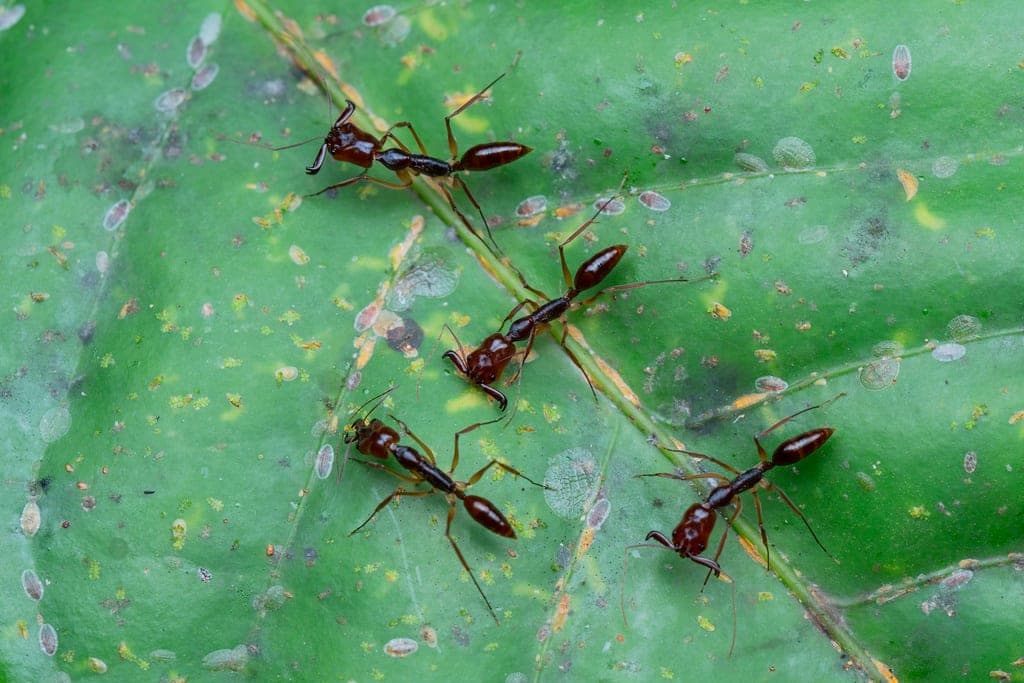
Where They're Found
Found in tropical forests across Southeast Asia, including Thailand, Cambodia, Myanmar, and neighboring countries. It nests in soil beneath rotting logs or forest leaf litter.
Notable Behavior: A Snap-Jawed Termite Hunter
The yellow jumping trap-jaw ant uses its extremely fast-closing mandibles to hunt termites and other insects as its main food source. When threatened, it can strike its jaws against the ground to catapult itself up to 20 cm away — a remarkable escape mechanism.
It's a fairly specialized predator; while it will eat other insects, termites are its clear preference. Workers are quick and stay alert at all times.
This is a moderate species to keep, requiring attention to humidity and escape prevention given its jumping ability. The colony size listed (200–500 workers) reflects a typical size for this species, as trap-jaw ants of this genus generally form smaller colonies than many other ants.
Good to Know
Ants in the genus Odontomachus are nicknamed "trap-jaw ants" for having among the fastest mandible strikes ever recorded in insects. The yellow jumping trap-jaw ant is a favorite among Thai ant keepers for its striking jumping behavior.
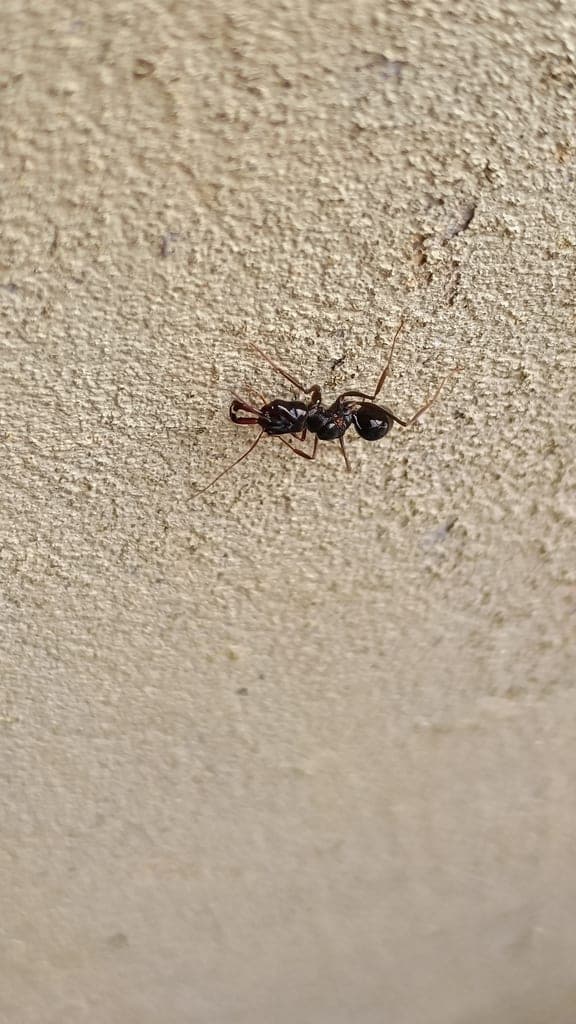
Photo © Mantre Passah · CC BY-NC
Keeping Them in Captivity
The ideal temperature range is 24–28°C, with fairly high humidity of 50–80%. Set up the enclosure to resemble a rainforest floor with soil, dry leaves, and wood pieces. Feed with sugar water alongside termites or small insects like fruit flies and small crickets.
Gallery
Photo © Mantre Passah · CC BY-NC
Photo © Jonghyun Park · CC BY
Photo © Melvyn Yeo · CC BY-NC
Photo © Melvyn Yeo · CC BY-NC
Photo © Melvyn Yeo · CC BY-NC
Photo © Tay Jing Xuan · CC BY-NC
Live photographs are by iNaturalist observers under CC BY-NC — every one carries its credit.
Sources
The Thai text is written from the facts in these sources, not copied from them. · Data confidence: สูง
This page is husbandry information only — live ants aren't sold on the site, for the animals' safety in transit.