
 Live photo
Species & care sheets
Ash-Red Carpenter Ant
Camponotus rufoglaucus · มดตะลานปล้องขี้เถ้า
Photo © Hemant Karkhanis · CC BY-NC
A slender carpenter ant dusted in ash-grey hairs, the Ash-Red Carpenter Ant is easy to keep and grows fast, making it a great pick for anyone starting out with Camponotus.
เป็นมดตะลานในสกุลย่อย Tanaemyrmex มีการกระจายพันธุ์กว้างและอาจเป็นกลุ่มสายพันธุ์ซับซ้อน (species complex)
Overview
Temperature
24–29°C
Humidity
50–65%
Diet
Sugar · Insects
Nest type
Ytong / Acrylic / 3d-printed / Soil
Growth
Medium
Colony size
200–800 ตัว
- Difficulty — เลี้ยงง่าย ปรับตัวเก่ง ไม่จู้จี้เรื่องอาหาร และทนทานต่อสภาพแวดล้อมได้ดี
- Colony size — รังขนาดใหญ่อาจมีจำนวนประชากรได้หลายพันตัว
- How often it is found — มดที่มีข้อมูลบันทึกพบมากที่สุดในกลุ่ม เจอได้บ่อยตามธรรมชาติ — มีบันทึกยืนยันพบในไทยโดยตรงด้วย; มีวางขายในตลาดนักเลี้ยงมดต่างประเทศ (มีสต๊อกจริง) · Records in Thailand 32 · Records worldwide 1,783 · Hobbyist market: Sold abroad
Derived from record counts in global databases (GBIF · AntWeb · iNaturalist), not from how common the ant is in Thailand. — น่าเชื่อถือสูง — มีบันทึกพิกัด/ตัวอย่างในไทยจริง (GBIF/AntWeb)
What it eats
Size
Body length by caste, and the ants drawn to scale on a credit card
Actual size against a credit card
Ants are drawn to scale on a standard card (85.6 × 54 mm) — hold a real card against the screen and move the slider until the card matches, and the ants are then life-size.
~7 mm
~10.5 mm
~14 mm
Behaviour & care
Defences
DefensiveBites or stings when disturbed — mind the nest when opening it.
Colony profile
Queens
Single queen (monogyne)
Founding
Claustral
Diapause
Not required
Growth
Medium
In depth
ขนสีทองหนาแน่นบนส่วนท้องช่วยในการสะท้อนแสงแดดและลดการสูญเสียความชื้น ทำให้พวกมันออกหาอาหารกลางแจ้งในสภาพอากาศร้อนได้ดี
Appearance
Medium to large carpenter ants with distinct worker polymorphism. Their most striking feature is the dense, silky golden pubescence covering the abdomen, which glimmers under light.
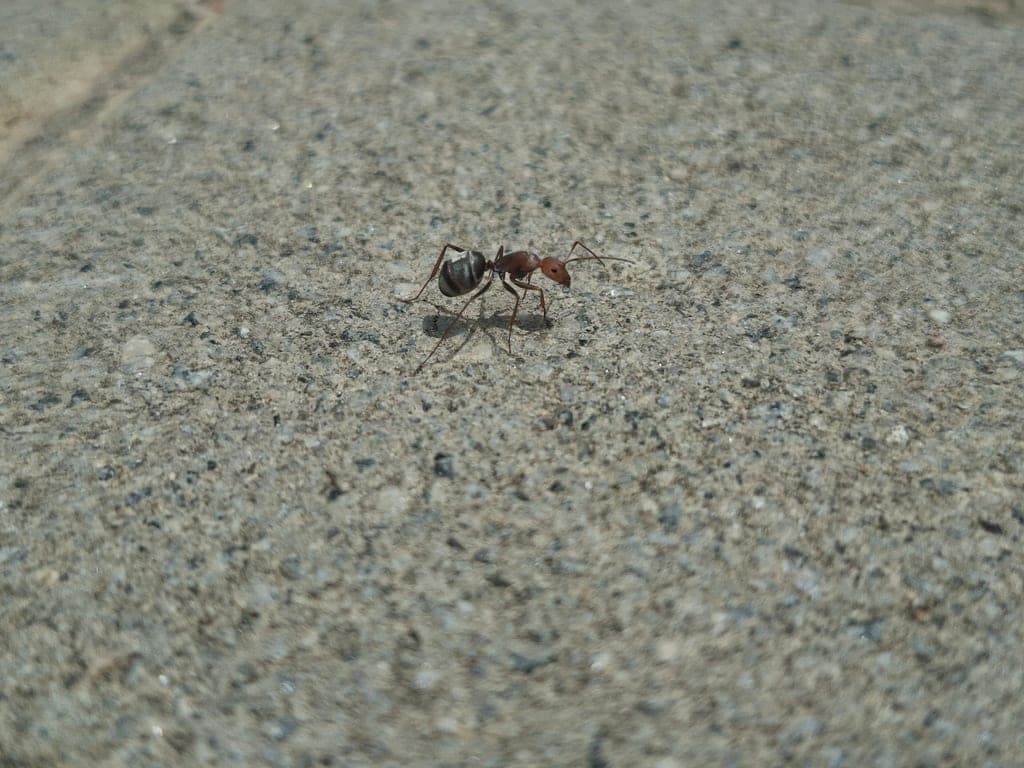
Photo © cool_nature · CC BY-NC
Where it lives
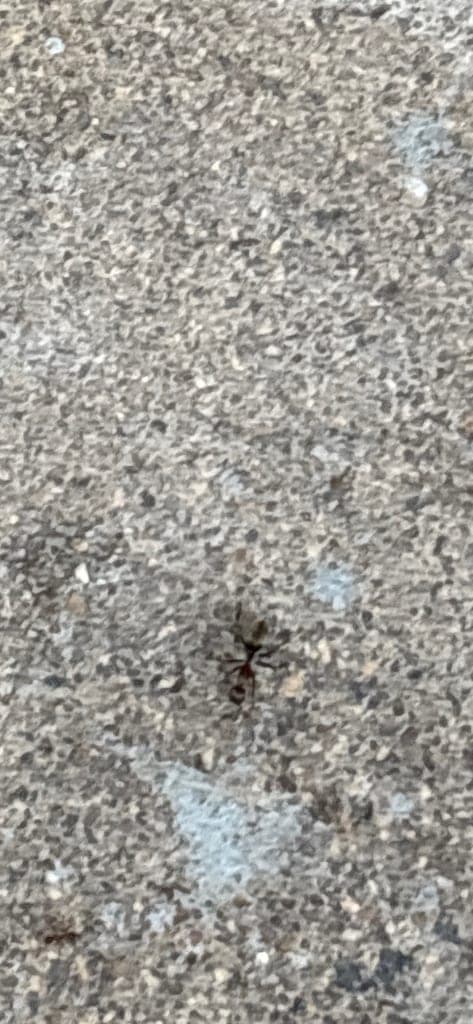
Behaviour
Active and diurnal foragers. Minor workers are quick and agile, while major workers feature large heads and powerful mandibles designed for crushing food and home defense.
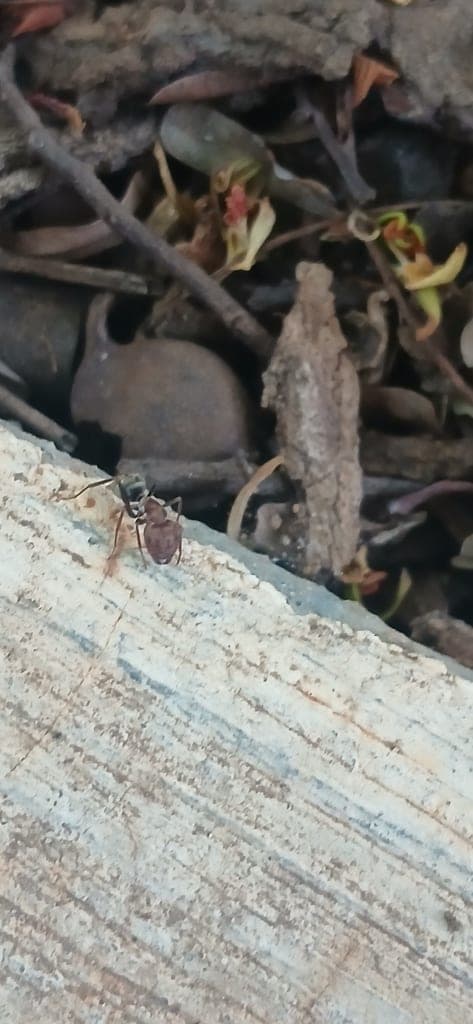
Photo © Sukriya Hasini · CC BY-NC
Keeping it
An excellent species for beginners. They thrive in acrylic, Ytong, 3D-printed, or soil setups. Keep conditions at 24-28°C and 50-70% humidity. Provide a balanced diet of sugar liquids and insect proteins.
Where the difficulty is
During the founding stage, queens can be easily stressed by vibrations and light. Keep the founding setup dark and undisturbed until the first workers emerge.
Fun fact
The golden abdominal hair is a specialized evolutionary adaptation that acts as a heat shield against intense sunlight in their natural habitats.
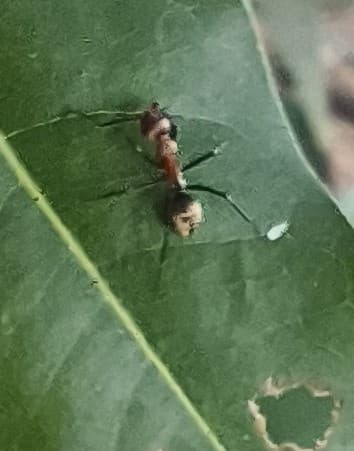
Photo © sandhiyabaskaran · CC BY-NC
Gallery
Photo © Hemant Karkhanis · CC BY-NC
Photo © cool_nature · CC BY-NC
Photo © Sukriya Hasini · CC BY-NC
Photo © sandhiyabaskaran · CC BY-NC
Photo © Wynand Uys · CC BY
Photo © Wynand Uys · CC BY
Photo © Wynand Uys · CC BY
Live photographs are by iNaturalist observers under CC BY-NC — every one carries its credit.
Sources
The Thai text is written from the facts in these sources, not copied from them. · Data confidence: สูง
This page is husbandry information only — live ants aren't sold on the site, for the animals' safety in transit.