
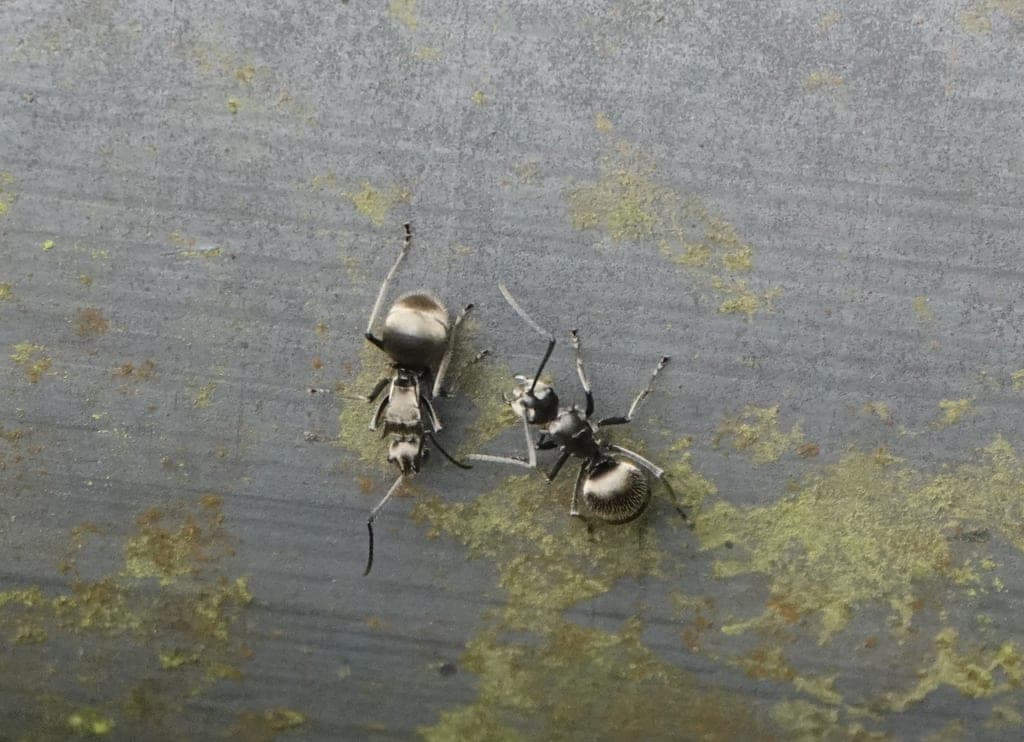
 Live photo
Species & care sheets
Spiny Weaver Ant
Polyrhachis illaudata · มดหนามหีบทองแหลม
Photo © shikiiiiiiiii · CC BY-NC
A spiny ant that weaves silk nests using its larvae as living glue guns, covered in sharp spines for defense. A favorite among keepers for its remarkable weaving behavior.
อยู่ในสกุลย่อย Polyrhachis (Myrmhopla)
Overview
Temperature
24–28°C
Humidity
60–80%
Diet
Sugar · Insects
Nest type
Ytong / Acrylic / Wood / naturalistic
Growth
Medium
Colony size
500–2,000 ตัว
- Difficulty — ต้องการความชื้นและพื้นที่ที่เหมาะสมสำหรับการสร้างรังด้วยใยไหมของตัวอ่อน
- Colony size — ในธรรมชาติอาจมีขนาดรังใหญ่ได้ถึง 3,000 ตัว
- How often it is found — มดที่มีข้อมูลบันทึกพบมากที่สุดในกลุ่ม เจอได้บ่อยตามธรรมชาติ — มีบันทึกยืนยันพบในไทยโดยตรงด้วย; เคยมีวางขายในร้านนักเลี้ยงมดต่างประเทศ (แต่ปัจจุบันหมด/ไม่พร้อมส่ง) · Records in Thailand 12 · Records worldwide 2,627 · Hobbyist market: Was sold, now out of stock
Derived from record counts in global databases (GBIF · AntWeb · iNaturalist), not from how common the ant is in Thailand. — น่าเชื่อถือสูง — มีบันทึกพิกัด/ตัวอย่างในไทยจริง (GBIF/AntWeb)
What it eats
Size
Body length by caste, and the ants drawn to scale on a credit card
Actual size against a credit card
Ants are drawn to scale on a standard card (85.6 × 54 mm) — hold a real card against the screen and move the slider until the card matches, and the ants are then life-size.
~8 mm
~11 mm
Behaviour & care
Defences
DefensiveBites or stings when disturbed — mind the nest when opening it.
Colony profile
Queens
Single queen (monogyne)
Founding
Claustral
Diapause
Not required
Growth
Medium
In depth
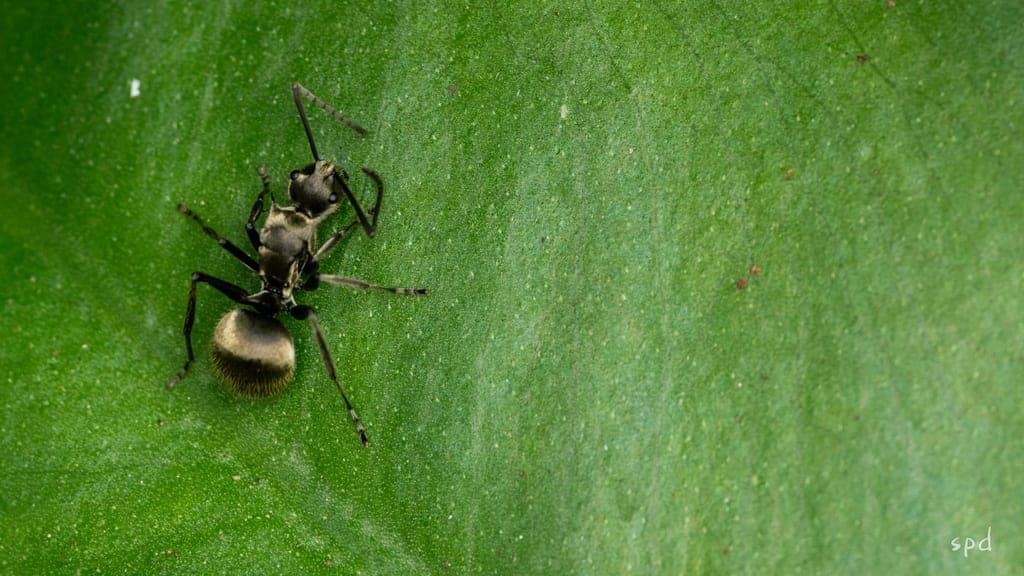
The Spiny Weaver Ant (Polyrhachis illaudata) is a spiny ant with a remarkable ability to weave silk nests, using its larvae like living "glue guns" to bind leaves together. It's one of the most popular ants kept by hobbyists across Southeast Asia.
Appearance
Where They're Found
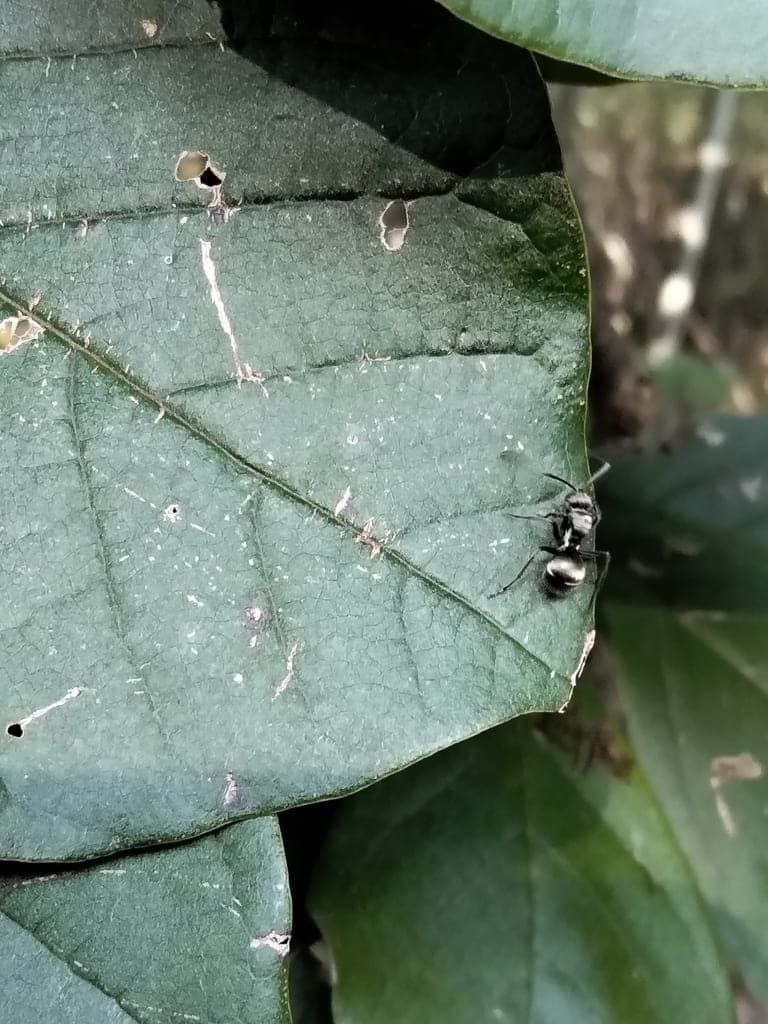
Found across South and Southeast Asia, including India, Myanmar, Thailand, Malaysia, and Indonesia. It's semi-arboreal, nesting in hollow branches, under bark, or weaving silk nests bound to leaves in rainforests, mangroves, and plantations.
Notable Behavior: A Skilled Weaver
The Spiny Weaver Ant performs an intricate silk-weaving behavior: workers pass larvae back and forth like "glue guns," using silk released by the larvae to bind leaves into sheets that form a camouflaged nest — a feat nearly as impressive as that of the weaver ant Oecophylla.
It's a generalist feeder with a strong preference for sugary liquids, from plant nectar to honeydew from sap-sucking insects, supplemented by hunting small insects for protein.
This is a moderate species — hardy and resilient once the colony is established, but it needs consistent humidity management. The colony size listed (500–2,000 workers) reflects a manageable, typical size compared to many other species.
Good to Know
Several species in the genus Polyrhachis can weave silk nests similar to weaver ants (Oecophylla), but the Spiny Weaver Ant is easier to manage in size, making it a popular choice at ant shops both in Thailand and abroad for anyone wanting to try keeping a weaver species.
Keeping Them in Captivity
The ideal temperature range is 24–28°C, with fairly high humidity of 60–80% since it's sensitive to dryness. Feed with diluted honey or sugar water alongside small insects like fruit flies and crickets.
Gallery
Live photographs are by iNaturalist observers under CC BY-NC — every one carries its credit.
Sources
The Thai text is written from the facts in these sources, not copied from them. · Data confidence: สูง
This page is husbandry information only — live ants aren't sold on the site, for the animals' safety in transit.