
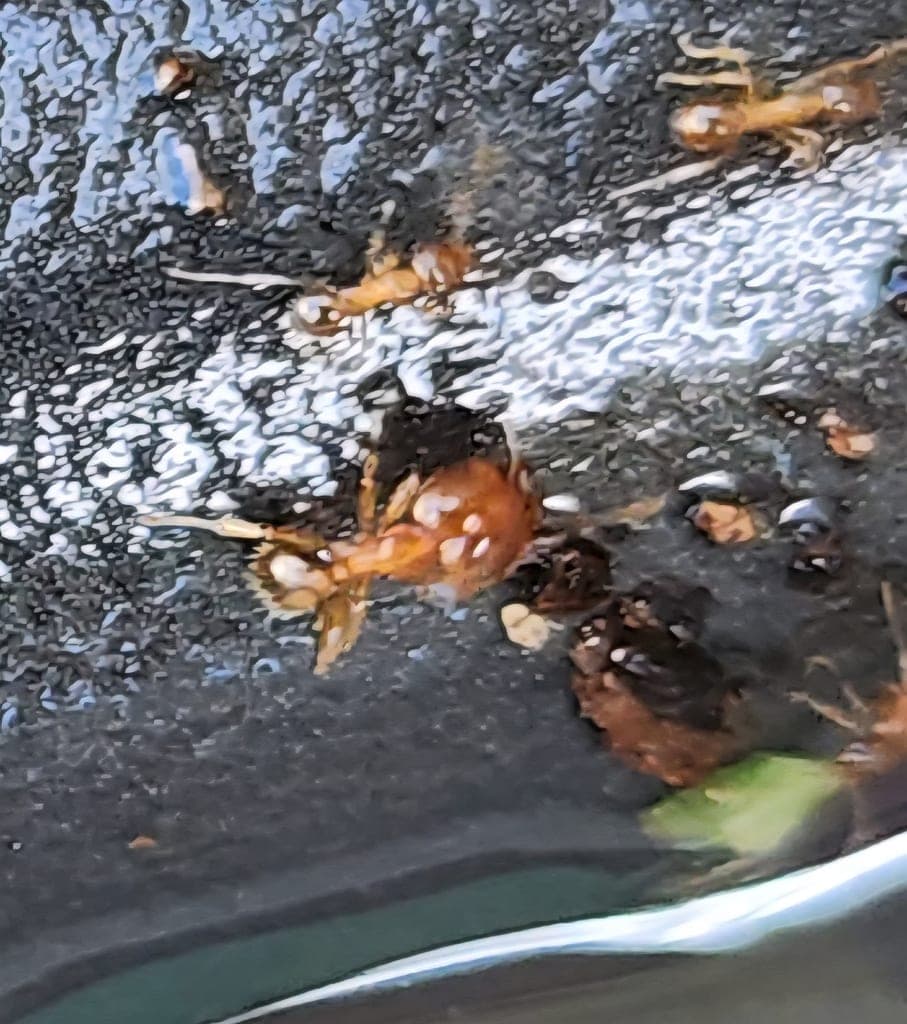
 Live photo
Species & care sheets
Big-headed Ant
Pheidole megacephala · มดหัวโต
Photo © Mark Clarke · CC BY
Named for its soldiers' oversized heads, the Big-headed Ant grows fast and is hard to contain — a moderate-difficulty species that should never be released outside its range.
Overview
Temperature
24–28°C
Humidity
60–80%
Diet
Sugar · Insects
Nest type
Acrylic / Ytong / Soil / 3D printed
Growth
Fast
Colony size
500–3,000 ตัว
- Difficulty — ขยายพันธุ์รวดเร็วและหลุดรอดได้ง่าย ต้องมีระบบป้องกันมดหลุดที่รัดกุม
- Colony size — ในธรรมชาติหรือรังปิดขนาดใหญ่สามารถสร้างซูเปอร์โคโลนีที่มีประชากรหลายร้อยแสนตัวได้
- How often it is found — มดที่มีข้อมูลบันทึกพบมากที่สุดในกลุ่ม เจอได้บ่อยตามธรรมชาติ — มีวางขายในตลาดนักเลี้ยงมดต่างประเทศ (มีสต๊อกจริง) · Records in Thailand 2 · Records worldwide 13,000 · Hobbyist market: Sold abroad
Derived from record counts in global databases (GBIF · AntWeb · iNaturalist), not from how common the ant is in Thailand. — น่าเชื่อถือสูง — มีบันทึกพิกัด/ตัวอย่างในไทยจริง (GBIF/AntWeb)
What it eats
Size
Body length by caste, and the ants drawn to scale on a credit card
Actual size against a credit card
Ants are drawn to scale on a standard card (85.6 × 54 mm) — hold a real card against the screen and move the slider until the card matches, and the ants are then life-size.
~2.3 mm
~4 mm
~6.8 mm
Behaviour & care
Defences
AggressiveAttacks when disturbed — handle with care.
Colony profile
Queens
Several queens (polygyne)
Founding
Claustral
Diapause
Not required
Growth
Fast
In depth
มดง่ามหัวโตแอฟริกาจัดเป็น 1 ใน 100 สายพันธุ์สิ่งมีชีวิตรุกรานที่น่ากลัวที่สุดในโลก สามารถรวมรังกันเป็นซูเปอร์โคโลนีและทำลายล้างชีวหลากหลายท้องถิ่นได้อย่างรุนแรง
Appearance
Displays striking worker dimorphism: minor workers measure 2.0-2.5 mm, while major workers (soldiers) reach 3.5-4.5 mm with massive heads and powerful mandibles built for crushing tough food items.
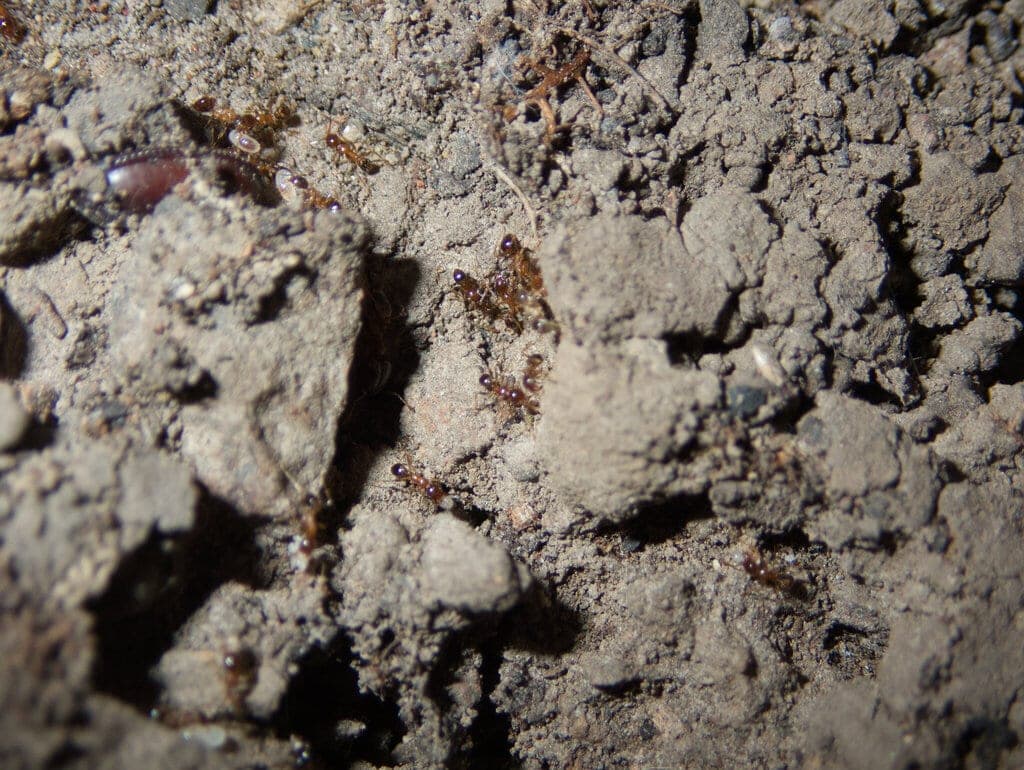
Photo © amaanlopez · CC BY-NC
Where it lives
Native to the Afrotropical realm, but now established worldwide across tropical and subtropical regions as a destructive invasive species. They nest in soil, under stones, or inside decaying wood.
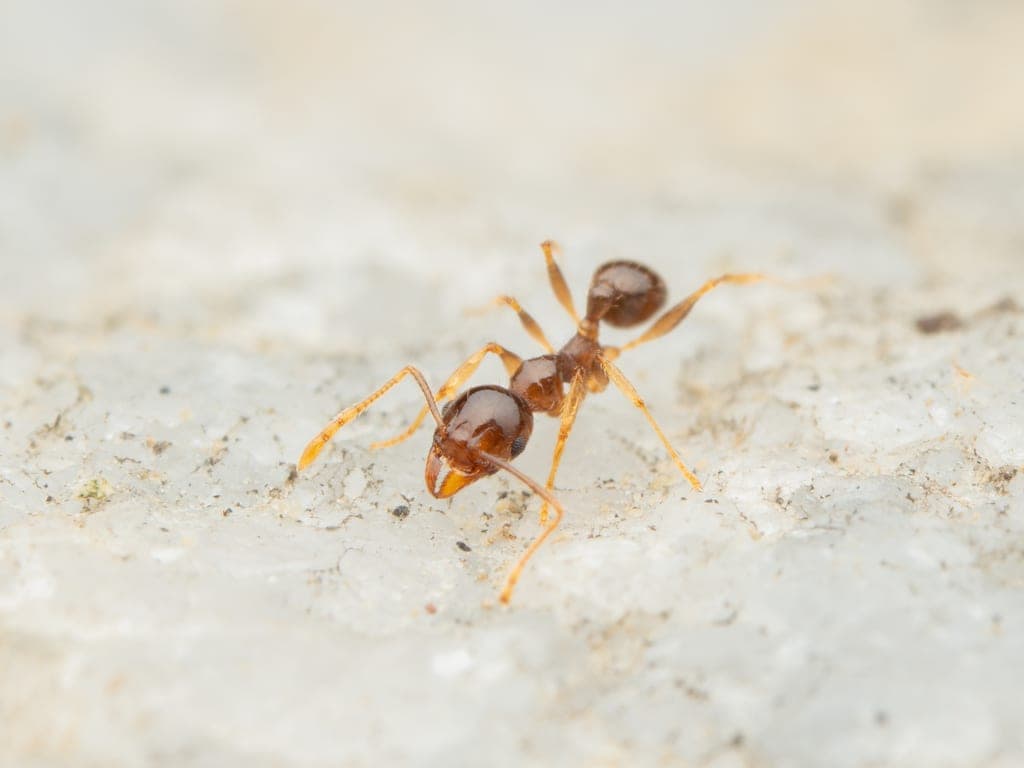
Photo © antpassionant · CC BY-NC
Behaviour
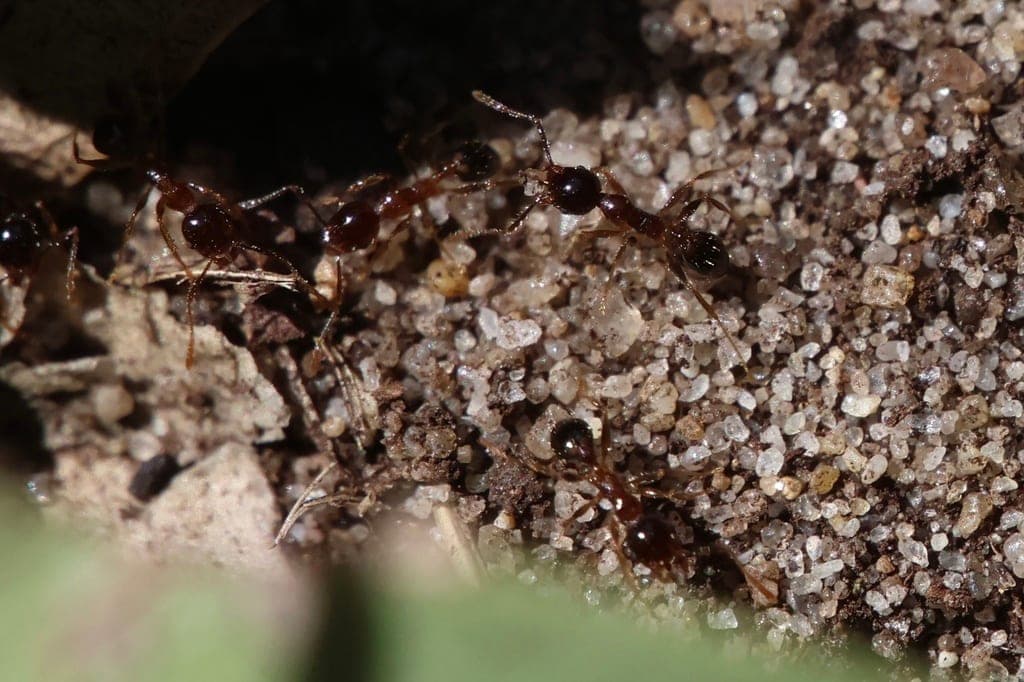
Keeping it
Relatively easy to care for due to their adaptability. They accept both sugar waters and protein sources like feeder insects. Maintain temperatures between 24-28°C and humidity around 60-80%. Suitable for acrylic, Ytong, or 3D-printed setups.
Where the difficulty is
The population explodes quickly, requiring frequent space upgrades. Minor workers are exceptionally small and adept escape artists, necessitating strict barrier maintenance (Fluon/Talcum).
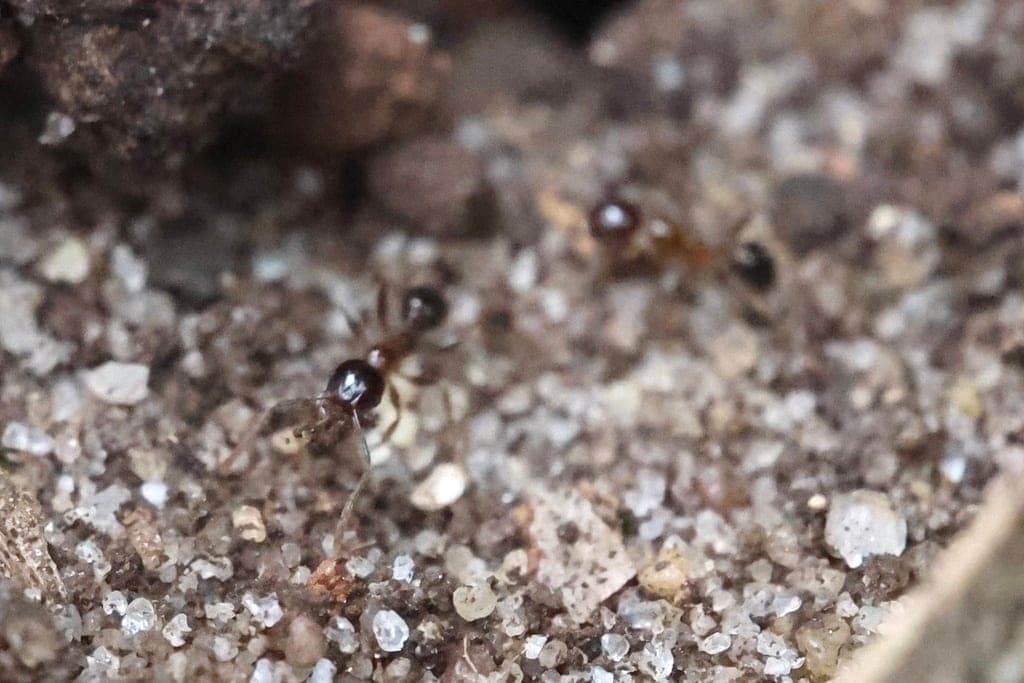
Gallery
Photo © Mark Clarke · CC BY
Photo © amaanlopez · CC BY-NC
Photo © antpassionant · CC BY-NC
Photo © Ricky Taylor · CC BY-NC
Photo © Ricky Taylor · CC BY-NC
Photo © Ricky Taylor · CC BY-NC
Live photographs are by iNaturalist observers under CC BY-NC — every one carries its credit.
Sources
The Thai text is written from the facts in these sources, not copied from them. · Data confidence: สูง
This page is husbandry information only — live ants aren't sold on the site, for the animals' safety in transit.