
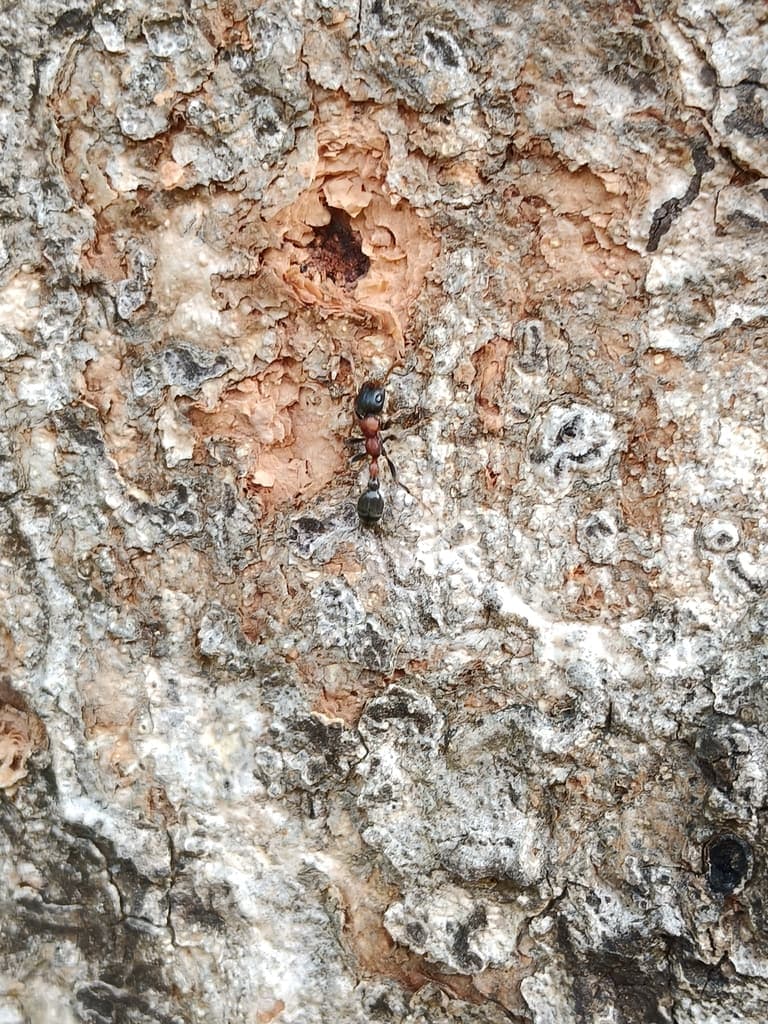
 Live photo
Species & care sheets
Arboreal Bicolored Ant
Tetraponera rufonigra · มดตะนอยอกส้ม
Photo © Manjima Km · CC BY-NC
A slender, bicolored tree-dwelling ant with a genuinely powerful sting, this species has been linked to serious stings and even deaths across Asia. Expert-level only — not for beginners.
อยู่ในสกุลย่อย Pseudomyrmecinae เป็นมดต้นไม้ขนาดใหญ่ที่มีเหล็กไนอันตราย
Overview
Temperature
24–28°C
Humidity
55–75%
Diet
Sugar · Insects
Nest type
Wood / cork / Acrylic / Ytong
Growth
Medium
Colony size
100–500 ตัว
- Difficulty — เป็นมดกึ่งนางพญาเดี่ยว (Semi-claustral) ที่ต้องการอาหารสดขณะสร้างรัง และมีเหล็กไนที่ต่อยเจ็บปวดมาก ต้องระมัดระวังในการดูแล
- Colony size — รังที่โตเต็มที่อาจมีมดงานได้ถึง 1,000 - 5,000 ตัว
- How often it is found — มดที่มีข้อมูลบันทึกพบมากที่สุดในกลุ่ม เจอได้บ่อยตามธรรมชาติ — มีบันทึกยืนยันพบในไทยโดยตรงด้วย; มีวางขายในตลาดนักเลี้ยงมดต่างประเทศ (มีสต๊อกจริง) · Records in Thailand 495 · Records worldwide 4,291 · Hobbyist market: Sold abroad
Derived from record counts in global databases (GBIF · AntWeb · iNaturalist), not from how common the ant is in Thailand. — น่าเชื่อถือสูง — มีบันทึกพิกัด/ตัวอย่างในไทยจริง (GBIF/AntWeb)
What it eats
Size
Body length by caste, and the ants drawn to scale on a credit card
Actual size against a credit card
Ants are drawn to scale on a standard card (85.6 × 54 mm) — hold a real card against the screen and move the slider until the card matches, and the ants are then life-size.
~11.5 mm
~14 mm
Behaviour & care
Defences
AggressiveAttacks when disturbed — handle with care.
Colony profile
Queens
Single queen (monogyne)
Founding
Semi-claustral
Diapause
Not required
Growth
Medium
In depth
มดชนิดนี้มีพิษที่ต่อยแล้วสร้างความเจ็บปวดอย่างรุนแรงแก่คนและสัตว์ การถูกต่อยอาจทำให้เกิดแผลบวมแดง ลุกลาม และปวดบวมปวดแสบปวดร้อนนานหลายชั่วโมง
Appearance
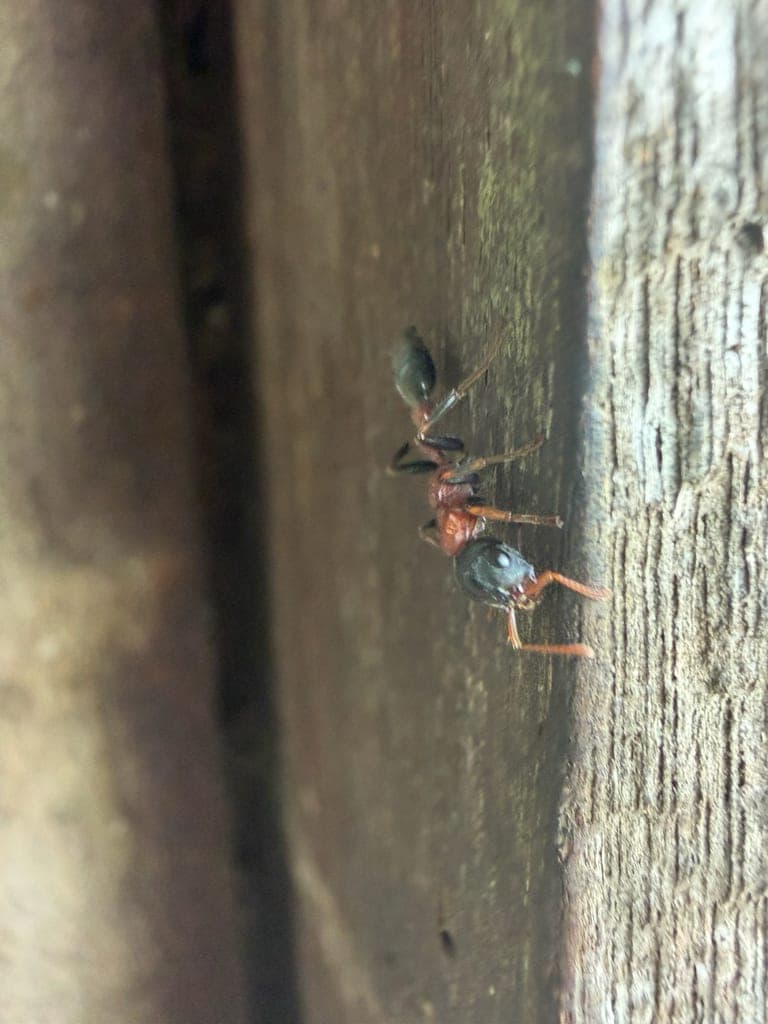
Distinctive slender body with striking bicolored orange-red and black pattern, exceptionally large compound eyes, and a well-developed, powerful sting.
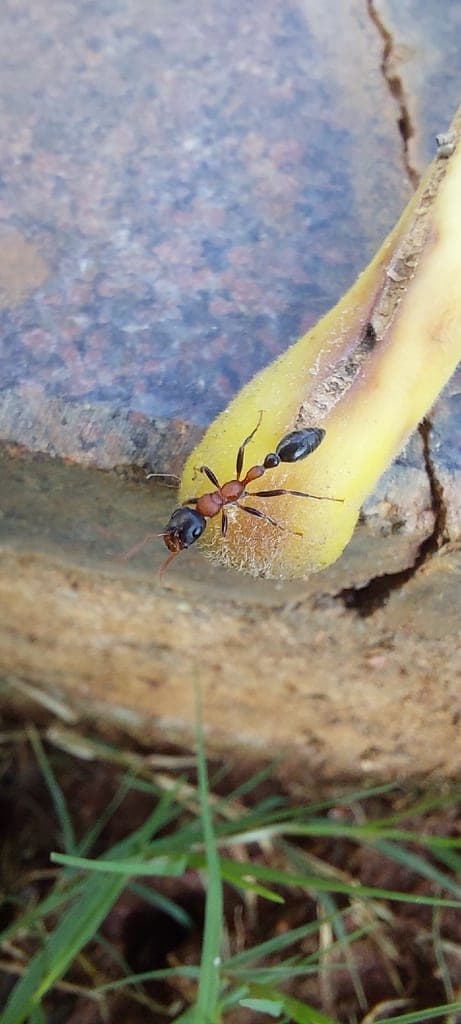
Photo © Kiranmayee K · CC BY-NC
Where it lives
Widespread across South and Southeast Asia, including Thailand. They nest arboreally inside hollow twigs, dead branches, and tree cavities.
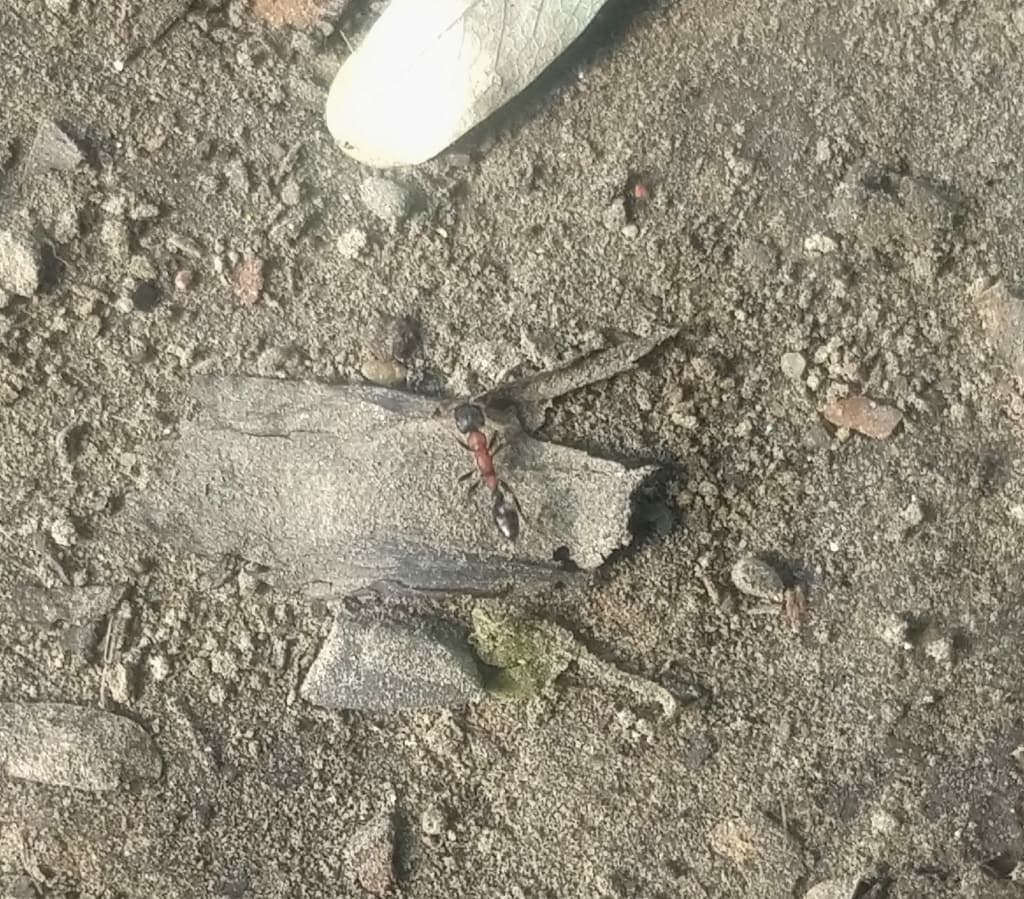
Photo © Bipasha David · CC BY-NC
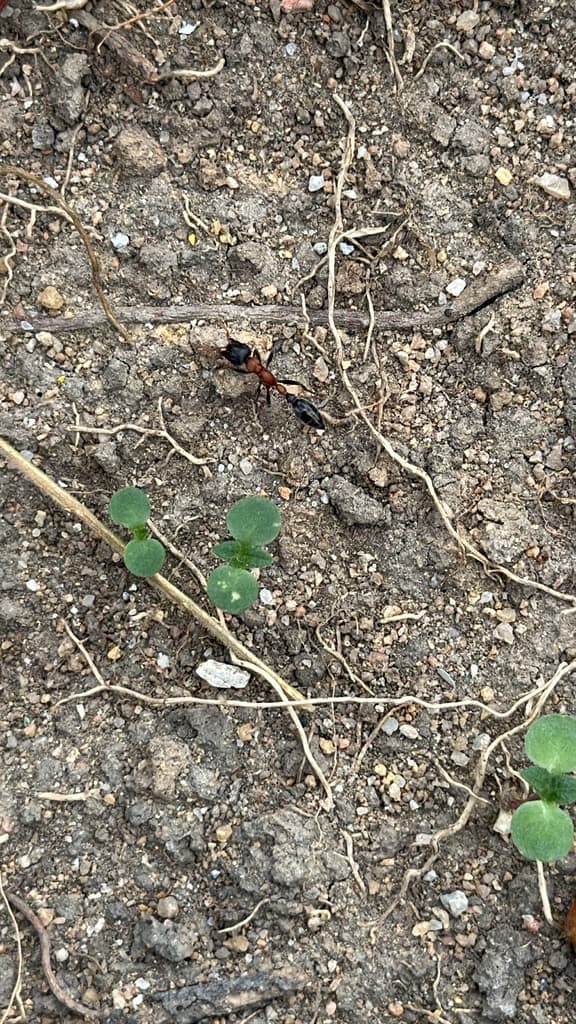
Behaviour
Keeping it
Queens are semi-claustral, requiring an outworld and small protein meals during the founding stage. Formicariums should be well-ventilated, using wood, cork, or acrylic nests with moderate humidity.
Where the difficulty is
The main challenge is handling safely due to their painful sting and fast movements. Founding queens can also be sensitive if not fed properly during the semi-claustral stage.
Gallery
Photo © Manjima Km · CC BY-NC
Photo © Kiranmayee K · CC BY-NC
Photo © Bipasha David · CC BY-NC
Photo © mark spicer · CC BY-NC
Photo © Noirrita Priyadarshini · CC BY-NC
Live photographs are by iNaturalist observers under CC BY-NC — every one carries its credit.
Sources
The Thai text is written from the facts in these sources, not copied from them. · Data confidence: สูง
This page is husbandry information only — live ants aren't sold on the site, for the animals' safety in transit.