
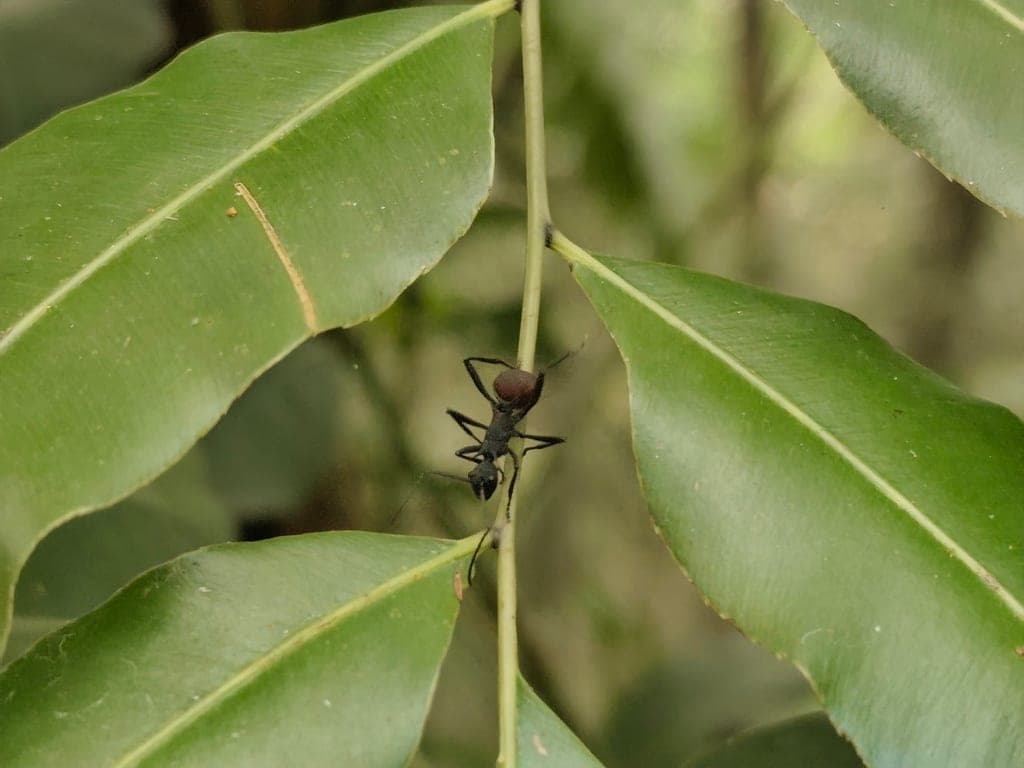
 Live photo
Species & care sheets
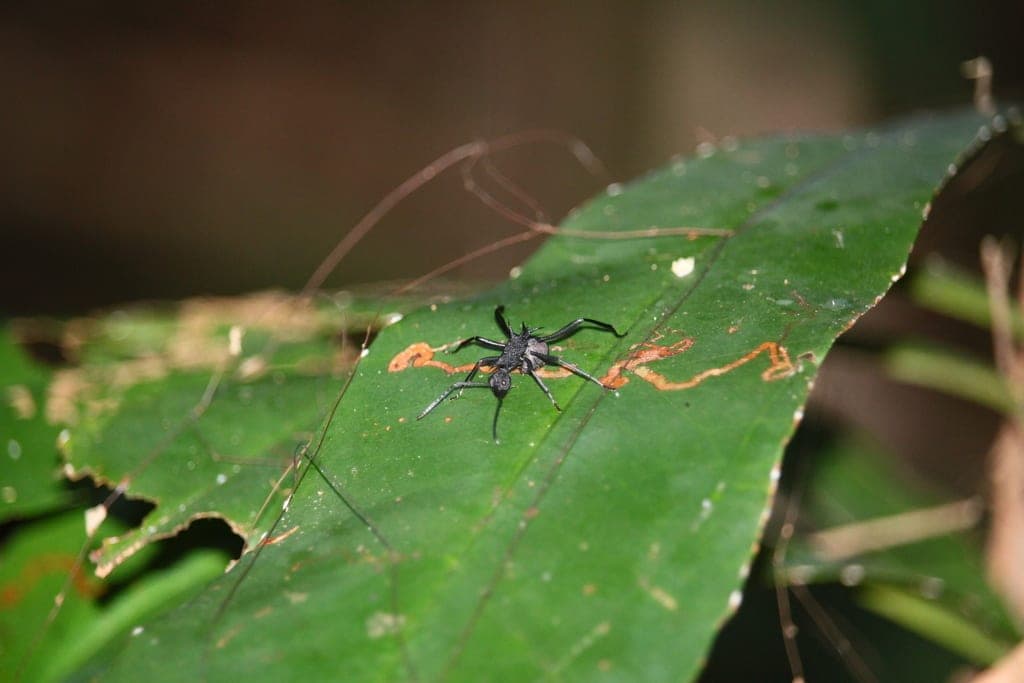
Giant Spiny Ant
Polyrhachis armata · มดหนามกระทิงดำ
Photo © Rasyid Nurhan · CC BY-NC
A large, elegant spiny ant that weaves silk nests like a weaver ant, but with a calm, deliberate temperament — a solid intermediate choice for spiny ant fans.
อยู่ในสกุลย่อย Polyrhachis (Myrma)
Overview
Temperature
24–28°C
Humidity
60–80%
Diet
Sugar · Insects
Nest type
Arboreal / Wood / Acrylic / Ytong
Growth
Medium
Colony size
300–1,500 ตัว
- Difficulty — เป็นมดต้นไม้ที่ต้องการความชื้นและการระบายอากาศที่สมดุล หากรังชื้นเกินไปอาจเกิดเชื้อราได้ง่าย
- Colony size — ประเมินจากการเลี้ยงในระบบปิด รังธรรมชาติอาจมีขนาดใหญ่กว่านี้เล็กน้อย
- How often it is found — มดที่มีข้อมูลบันทึกพบมากที่สุดในกลุ่ม เจอได้บ่อยตามธรรมชาติ — มีบันทึกยืนยันพบในไทยโดยตรงด้วย; เคยมีวางขายในร้านนักเลี้ยงมดต่างประเทศ (แต่ปัจจุบันหมด/ไม่พร้อมส่ง) · Records in Thailand 223 · Records worldwide 1,797 · Hobbyist market: Was sold, now out of stock
Derived from record counts in global databases (GBIF · AntWeb · iNaturalist), not from how common the ant is in Thailand. — น่าเชื่อถือสูง — มีบันทึกพิกัด/ตัวอย่างในไทยจริง (GBIF/AntWeb)
What it eats
Size
Body length by caste, and the ants drawn to scale on a credit card
Actual size against a credit card
Ants are drawn to scale on a standard card (85.6 × 54 mm) — hold a real card against the screen and move the slider until the card matches, and the ants are then life-size.
~9 mm
~12 mm
Behaviour & care
Defences
DefensiveBites or stings when disturbed — mind the nest when opening it.
Colony profile
Queens
Single queen (monogyne)
Founding
Claustral
Diapause
Not required
Growth
Medium
In depth
หนามแหลมโค้งบนลำตัวช่วยป้องกันไม่ให้สัตว์นักล่า เช่น นก หรือกิ้งก่า กลืนพวกมันลงคอได้ง่าย
Appearance
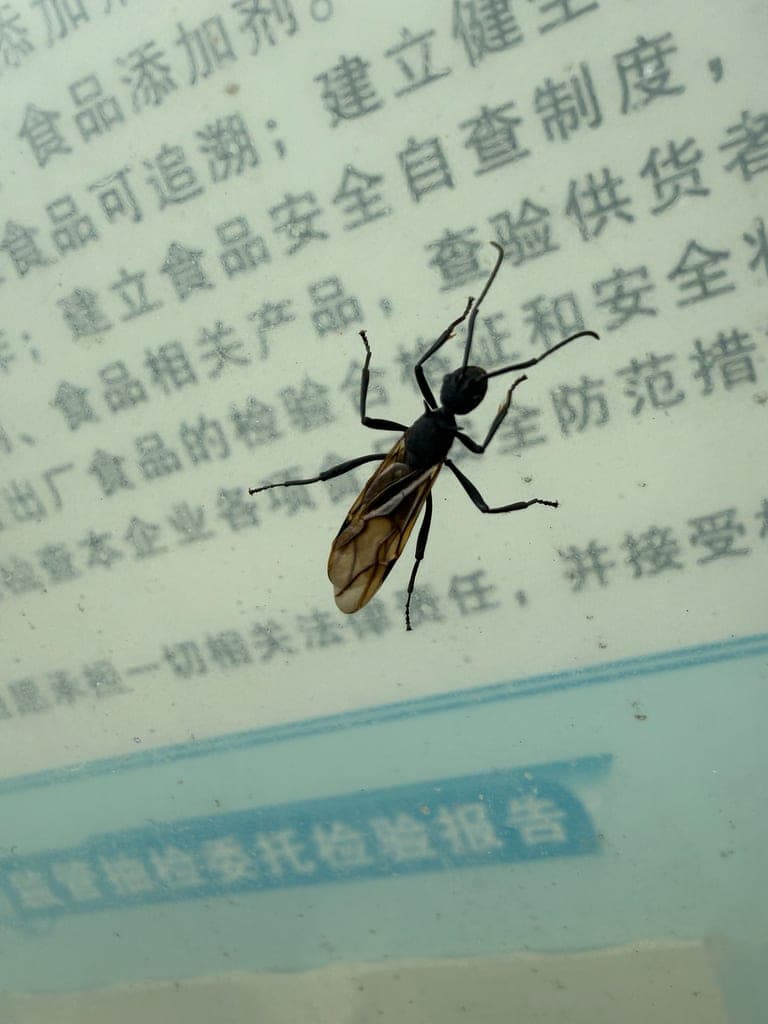
Where it lives
Native to Southeast Asia, including Thailand, Malaysia, Indonesia, and the Philippines. They inhabit tropical rainforests, nesting arboreally inside hollow branches, wood crevices, or woven leaf structures.
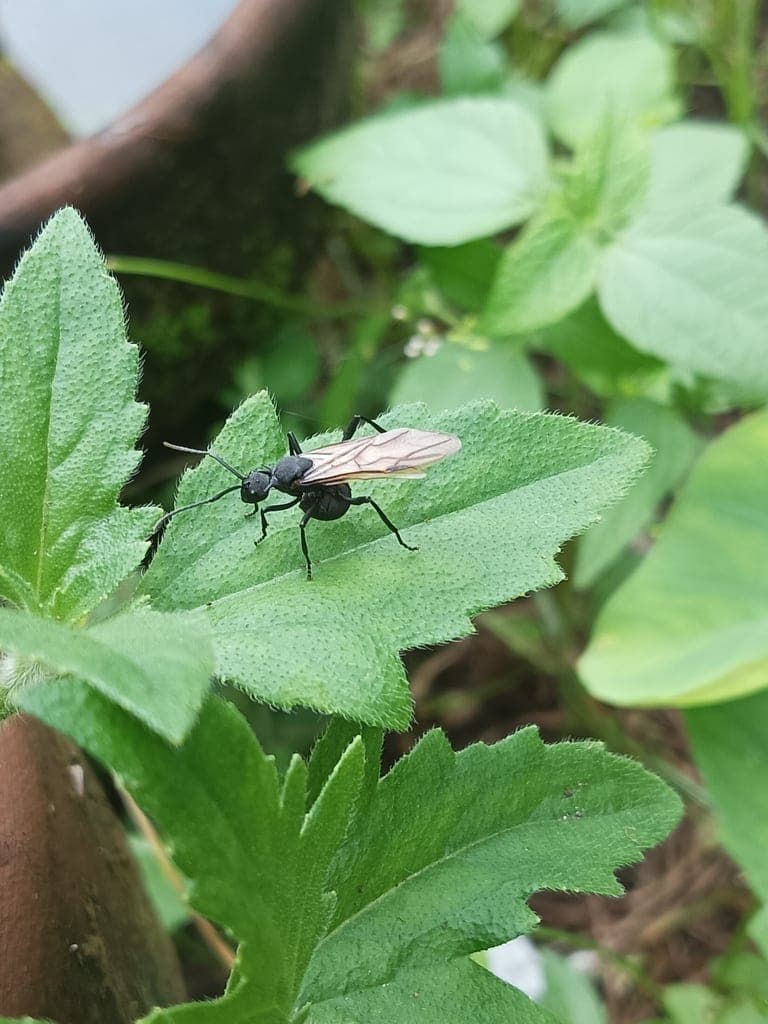
Photo © Wilhelm Joshua Tan · CC BY-NC
Behaviour
An arboreal species that forages along branches and foliage individually or in small groups. They are generally defensive rather than aggressive, using their sharp jaws, acid, and spines when threatened.
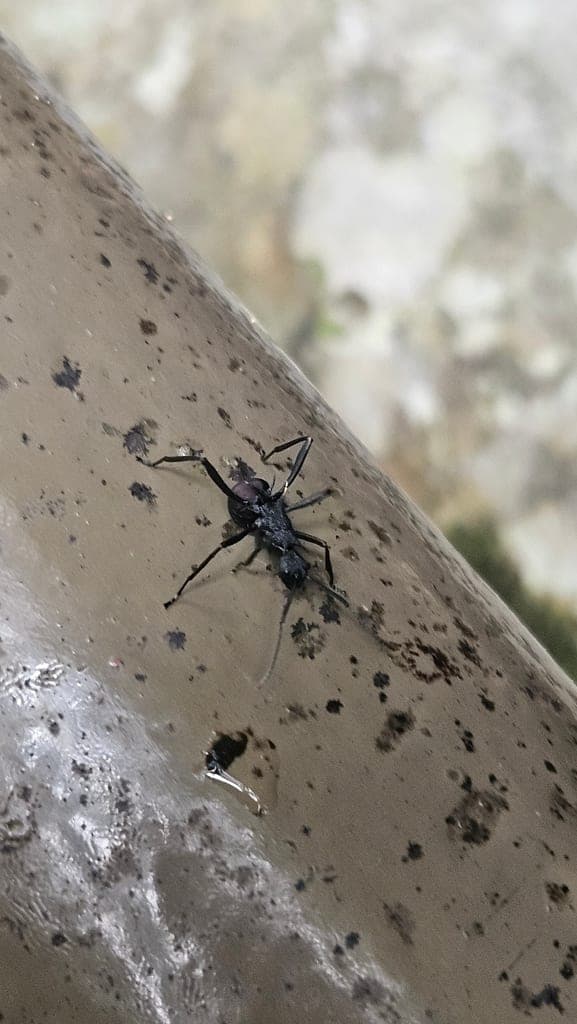
Photo © mutschekiepchen666 · CC BY-NC
Keeping it
Best kept in well-ventilated arboreal setups, wooden, acrylic, or Ytong nests. Maintain temperatures at 24-28°C and humidity at 60-80%. Provide sugars for energy and feeder insects for protein.
Where the difficulty is
Balancing high humidity with adequate ventilation can be tricky; stagnant, overly damp nests can lead to fungal growth. Colony founding requires high stability and minimal disturbance.
Gallery
Photo © Rasyid Nurhan · CC BY-NC
Photo © Wilhelm Joshua Tan · CC BY-NC
Photo © mutschekiepchen666 · CC BY-NC
Photo © Jonghyun Park · CC BY
Photo © Frederick Cheong · CC BY-NC
Live photographs are by iNaturalist observers under CC BY-NC — every one carries its credit.
Sources
The Thai text is written from the facts in these sources, not copied from them. · Data confidence: สูง
This page is husbandry information only — live ants aren't sold on the site, for the animals' safety in transit.