
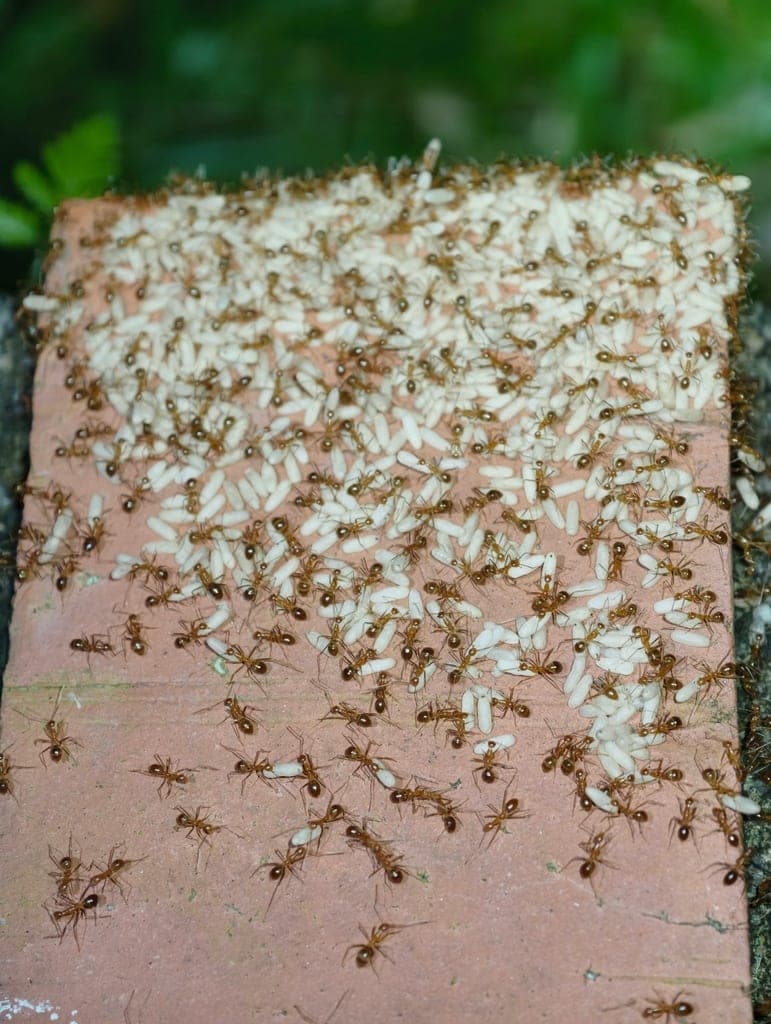
 Live photo
Species & care sheets
Yellow Crazy Ant
Anoplolepis gracilipes · มดน้ำผึ้ง
A golden-yellow ant with unusually long legs, the Yellow Crazy Ant grows fast and looks striking, but its rapid expansion makes it an advanced-keeper species, not one for beginners.
เป็นมดรุกรานระดับโลก (Invasive Alien Species) มักรู้จักกันในชื่อ Yellow Crazy Ant
Overview
Temperature
25–30°C
Humidity
70–85%
Diet
Sugar · Insects
Nest type
Soil / Ytong / Acrylic
Growth
Fast
Colony size
2,000–10,000 ตัว
- Difficulty — ประชากรเติบโตเร็วมาก แหกรังเก่ง และสามารถพ่นกรดฟอร์มิกทำร้ายตัวเองและมดตัวอื่นในพื้นที่แคบได้
- Colony size — สร้างซูเปอร์โคโลนีที่มีนางพญาหลายร้อยตัวและประชากรนับล้านตัวได้
- How often it is found — มดที่มีข้อมูลบันทึกพบมากที่สุดในกลุ่ม เจอได้บ่อยตามธรรมชาติ — มีบันทึกยืนยันพบในไทยโดยตรงด้วย; มีวางขายในตลาดนักเลี้ยงมดต่างประเทศ (มีสต๊อกจริง) · Records in Thailand 375 · Records worldwide 8,667 · Hobbyist market: Sold abroad
Derived from record counts in global databases (GBIF · AntWeb · iNaturalist), not from how common the ant is in Thailand. — น่าเชื่อถือสูง — มีบันทึกพิกัด/ตัวอย่างในไทยจริง (GBIF/AntWeb)
What it eats
Size
Body length by caste, and the ants drawn to scale on a credit card
Actual size against a credit card
Ants are drawn to scale on a standard card (85.6 × 54 mm) — hold a real card against the screen and move the slider until the card matches, and the ants are then life-size.
~4.5 mm
~9.5 mm
Behaviour & care
Defences
AggressiveAttacks when disturbed — handle with care.
Colony profile
Queens
Several queens (polygyne)
Founding
Semi-claustral
Diapause
Not required
Growth
Fast
In depth
มดชนิดนี้มีพฤติกรรมวิ่งสับสนไปมาอย่างลนลานและไม่เป็นทิศทางเมื่อถูกรบกวน อันเป็นที่มาของชื่อ "Crazy Ant"
Appearance
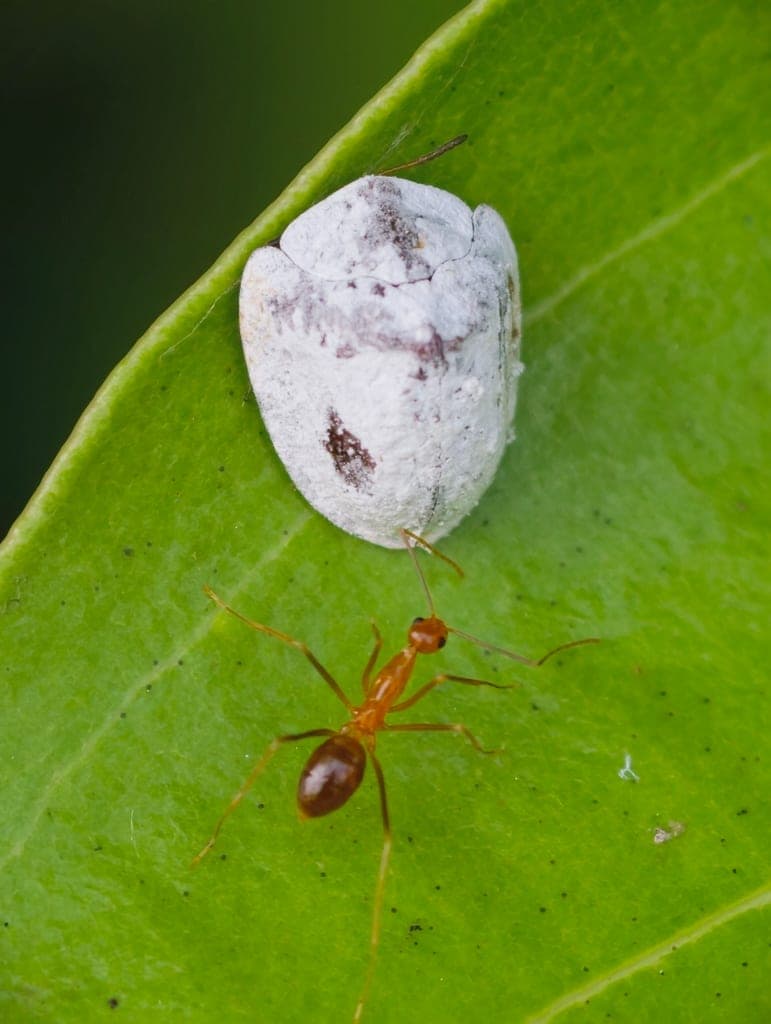
Where it lives
Pantropical distribution; native to Southeast Asia and Indian Ocean islands, but now a high-profile invasive species across Pacific islands, Australia, and parts of the Americas.
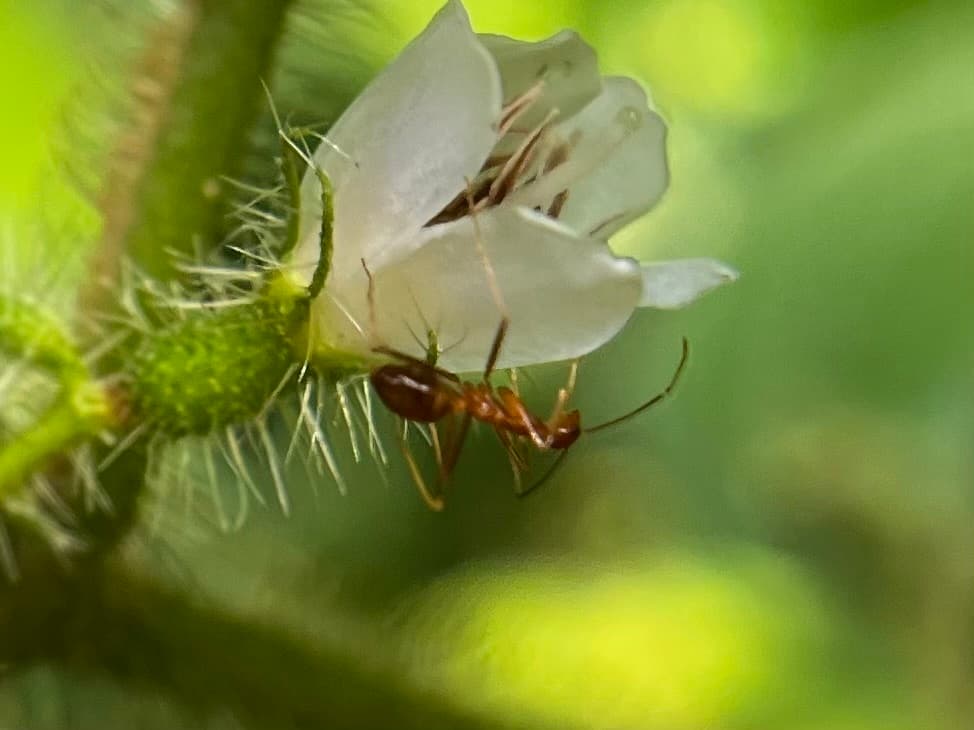
Behaviour
Polygynous and capable of forming massive, interconnected supercolonies. They exhibit exceptionally rapid population growth and high aggression towards other species.
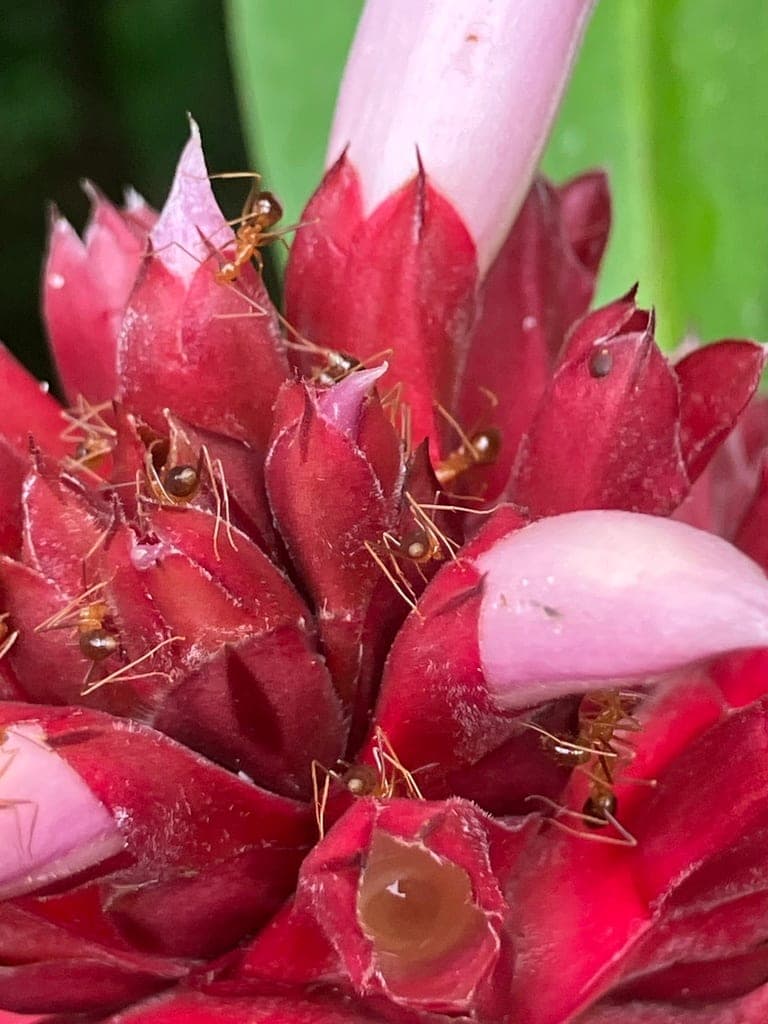
Photo © MPP Wildlife · CC BY-NC
Keeping it
Requires large setups with escape-proof barriers. Provide a continuous supply of sugars and proteins, while ensuring high humidity and excellent ventilation to disperse trapped formic acid.
Where the difficulty is
Explosive population growth makes long-term containment difficult; in confined or poorly ventilated nests, their own sprayed acid can be deadly to the colony.
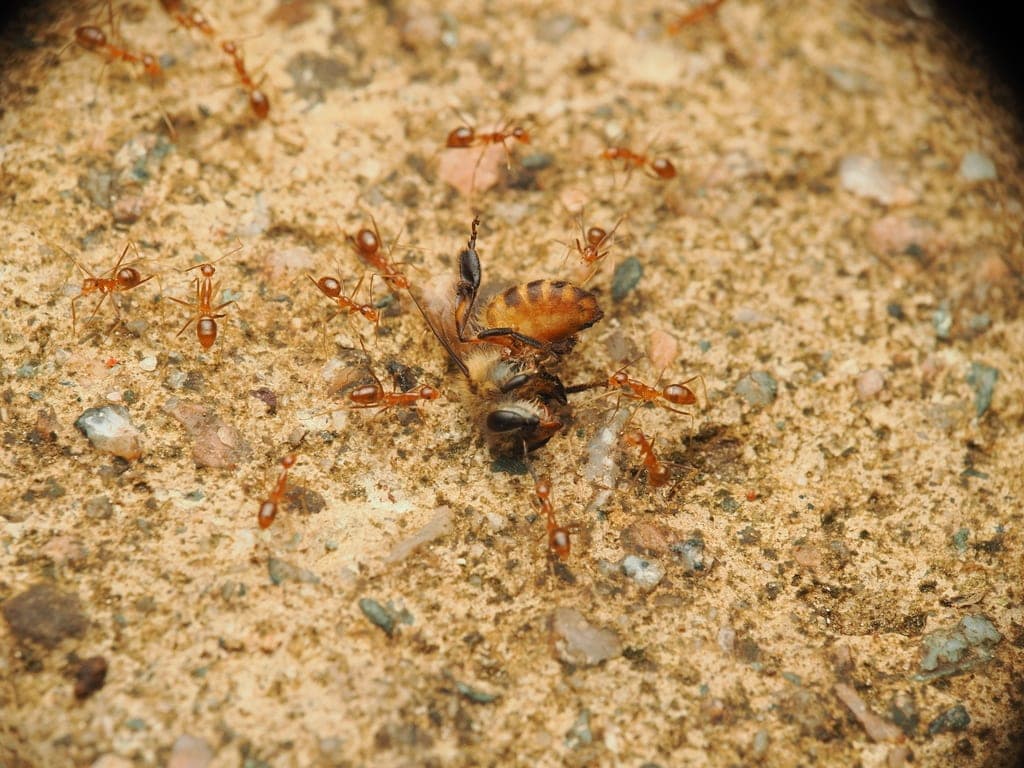
Gallery
Photo © MPP Wildlife · CC BY-NC
Photo © Santosh Roy · CC BY-NC
Photo © Nigel Main · CC BY
Photo © Nigel Main · CC BY
Photo © Sinaloa Silvestre · CC0
Live photographs are by iNaturalist observers under CC BY-NC — every one carries its credit.
Sources
The Thai text is written from the facts in these sources, not copied from them. · Data confidence: สูง
This page is husbandry information only — live ants aren't sold on the site, for the animals' safety in transit.