
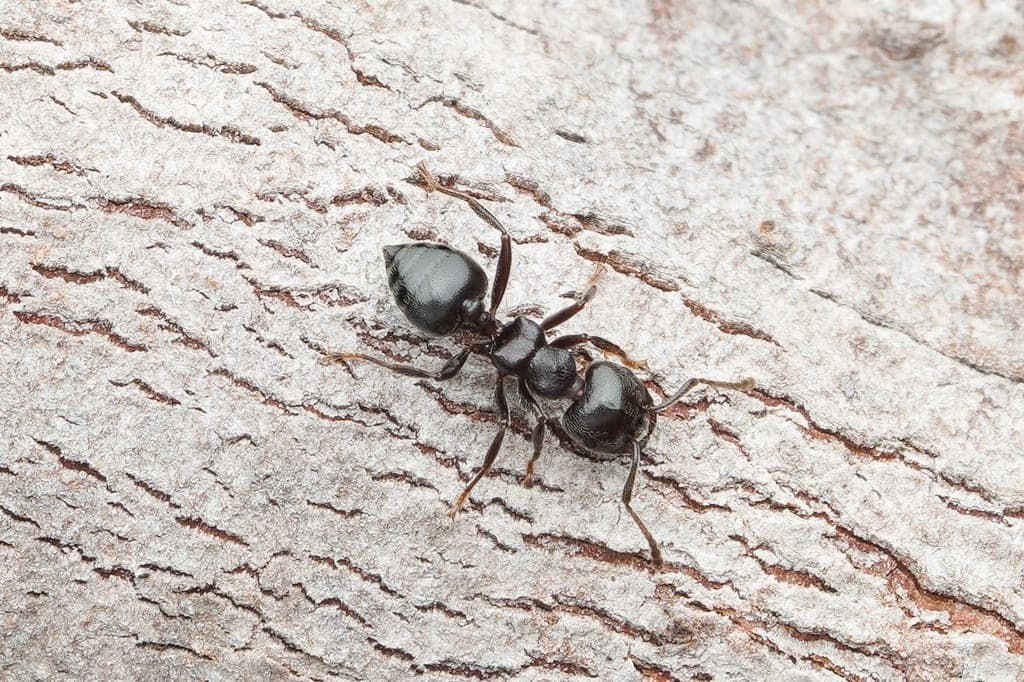
 Live photo
Species & care sheets
Black Inflated Acrobat Ant
Crematogaster difformis · มดฮี้โป่งดำ
Photo © Jonghyun Park · CC BY
A tiny black acrobat ant with a highly specialized lifestyle — it nests exclusively inside epiphytic ferns. Found across Southeast Asia including Thailand.
อยู่ในสกุลย่อย Physocrema ซึ่งมีลักษณะอกส่วนหลังบวมพองเพื่อเก็บสารเคมีป้องกันตัว
Overview
Temperature
26-28°C
Humidity
60-80%
Diet
Sugar · Insects
Nest type
carton / Wood / Acrylic
Growth
Fast
Colony size
1,000-3,000 ตัว
- Difficulty — ต้องการรังเลี้ยงที่มีความชื้นเหมาะสม และเป็นมดต้นไม้ที่อาจไวต่อการเปลี่ยนสภาพแวดล้อม
- Colony size — รังขนาดใหญ่อาจมีประชากรได้มากกว่า 30,000 ตัว
- How often it is found — มีข้อมูลบันทึกพบน้อยที่สุดในกลุ่ม ถือเป็นชนิดที่หายากตามข้อมูลที่มีอยู่ · Records in Thailand 0 · Records worldwide 36 · Hobbyist market: Not listed
Derived from record counts in global databases (GBIF · AntWeb · iNaturalist), not from how common the ant is in Thailand. — ไม่สามารถประเมินได้ — ไม่มีข้อมูลพิสัยการแพร่กระจายจาก AntWiki
What it eats
Size
Body length by caste, and the ants drawn to scale on a credit card
Actual size against a credit card
Ants are drawn to scale on a standard card (85.6 × 54 mm) — hold a real card against the screen and move the slider until the card matches, and the ants are then life-size.
~4.5 mm
~8.3 mm
Behaviour & care
Defences
AggressiveAttacks when disturbed — handle with care.
Colony profile
Queens
Single queen (monogyne)
Founding
Claustral
Diapause
Not required
Growth
Fast
In depth
ส่วนอกที่บวมพองบรรจุต่อมเมตาพลูรัล (Metapleural gland) ขนาดใหญ่พิเศษ ซึ่งสร้างสารเคมีป้องกันตัวกลิ่นแรงไว้ใช้ขับไล่ศัตรู
Appearance
Workers have a distinctly swollen thorax characteristic of the Physocrema subgenus, paired with the iconic heart-shaped gaster typical of Crematogaster.
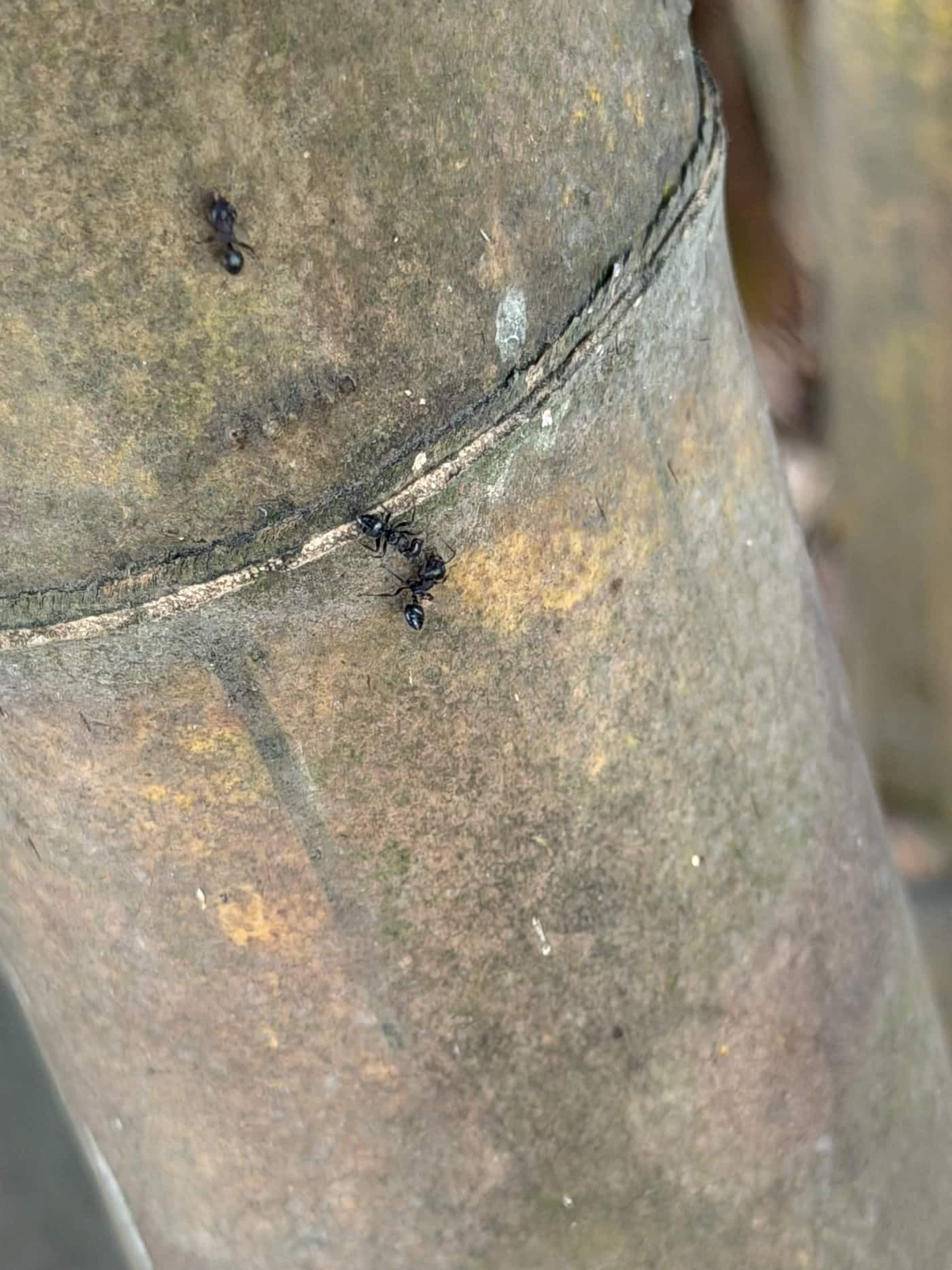
Photo © ramakartika · CC BY-NC
Where it lives
Widespread in the tropical rainforests of Southeast Asia. They are strictly arboreal, building carton nests inside tree cavities or among branches.
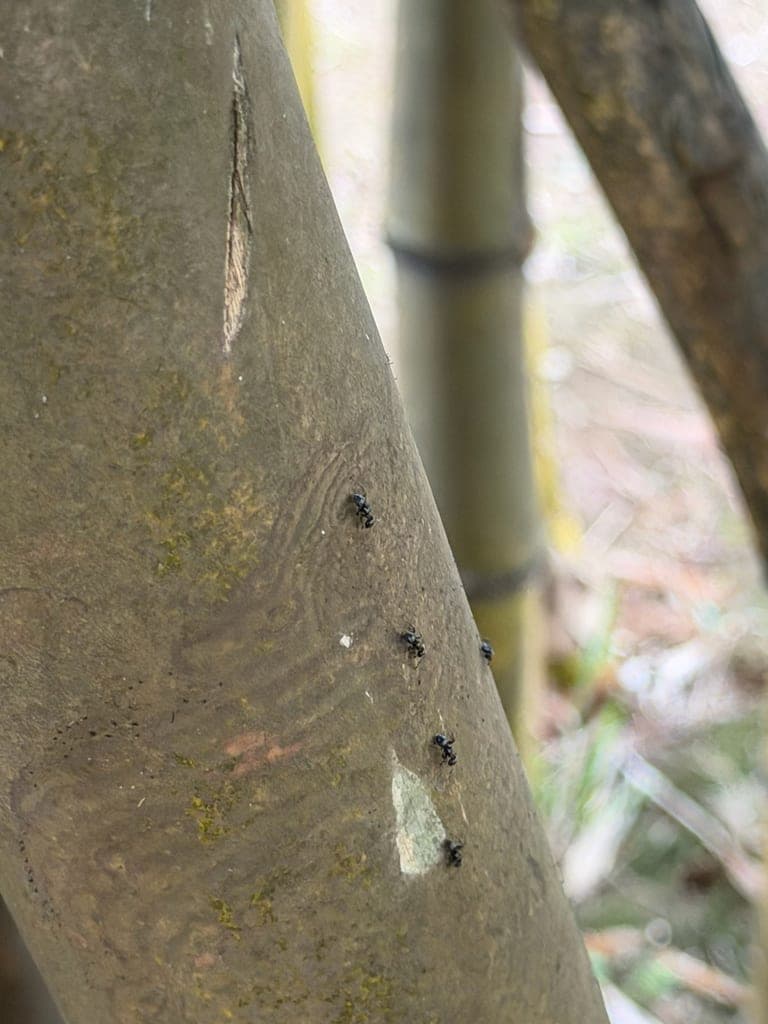
Photo © ramakartika · CC BY-NC
Behaviour
When threatened, workers cock their heart-shaped gaster over their thorax and exude droplets of chemical repellent. They are highly aggressive and quick to defend their territory.
Photo © ramakartika · CC BY-NC
Keeping it
Best kept in acrylic, wooden, or carton-style nests at 24-28°C and 60-80% humidity. Provide a balanced diet of sugar water/nectar and feeder insects.
Where the difficulty is
Requires a good balance of humidity and ventilation. Large colonies become extremely active, aggressive, and adept at escaping their outworld.
Fun fact
The secretions from their metapleural glands possess strong antimicrobial properties and act as powerful chemical deterrents against rival ant colonies.
Gallery
Photo © Jonghyun Park · CC BY
Photo © ramakartika · CC BY-NC
Photo © ramakartika · CC BY-NC
Photo © ramakartika · CC BY-NC
Live photographs are by iNaturalist observers under CC BY-NC — every one carries its credit.
Sources
The Thai text is written from the facts in these sources, not copied from them. · Data confidence: ปานกลาง
This page is husbandry information only — live ants aren't sold on the site, for the animals' safety in transit.