
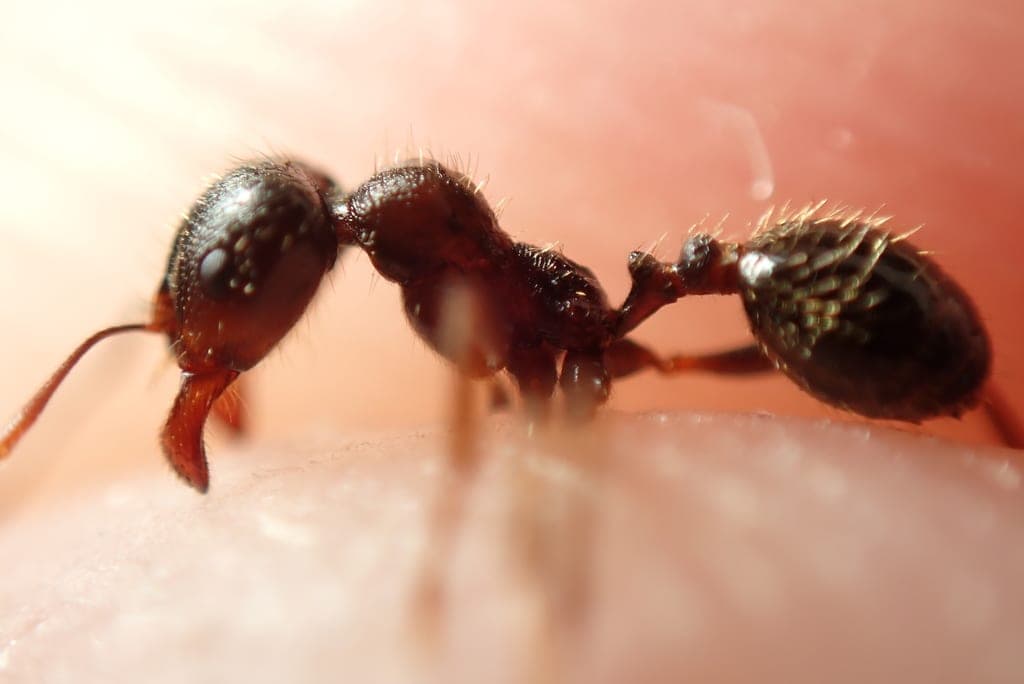
 Live photo
Species & care sheets
Steppe Harvester Ant
Messor structor · มดเก็บเมล็ดทุ่งหญ้ายุโรป
Photo © Bakos Ádám · CC BY-NC
A seed-harvesting ant from the European steppes with big-headed major workers that grind grain. Famous for making 'ant bread' from chewed seeds and saliva.
มีการแก้ไขอนุกรมวิธานในอดีตบ่อยครั้ง และมักถูกจำแนกผิดกับสายพันธุ์อื่นในสกุล Messor ในยุโรป
Overview
Temperature
25-28°C (พักตัวหนาว 10-15°C พ.ย.-มี.ค.)
Humidity
50-60%
Diet
Sugar · Insects · Seeds
Nest type
Ytong / Acrylic / Plaster / Soil
Growth
Medium
Colony size
3,000-8,000 ตัว
- Difficulty — เลี้ยงง่าย ปรับตัวเก่ง และกินเมล็ดพืชเป็นอาหารหลัก แต่ต้องการการฟักตัวในฤดูหนาว (Diapause)
- Colony size — รังที่มีมดนางญาติหลายตัวอาจโตได้ถึงหมื่นตัวขึ้นไป
- How often it is found — มีข้อมูลบันทึกพบค่อนข้างมาก เจอได้ไม่ยากนัก — มีวางขายในตลาดนักเลี้ยงมดต่างประเทศ (มีสต๊อกจริง) · Records in Thailand 0 · Records worldwide 2,167 · Hobbyist market: Sold abroad
Derived from record counts in global databases (GBIF · AntWeb · iNaturalist), not from how common the ant is in Thailand. — ไม่สามารถประเมินได้ — ไม่มีข้อมูลพิสัยการแพร่กระจายจาก AntWiki
What it eats
Size
Body length by caste, and the ants drawn to scale on a credit card
Actual size against a credit card
Ants are drawn to scale on a standard card (85.6 × 54 mm) — hold a real card against the screen and move the slider until the card matches, and the ants are then life-size.
~5.5 mm
~8.3 mm
~10.5 mm
Behaviour & care
Defences
DefensiveBites or stings when disturbed — mind the nest when opening it.
Colony profile
Queens
Several queens (polygyne)
Founding
Claustral
Diapause
Required
Growth
Medium
In depth
ข้อแตกต่างที่สำคัญจาก *Messor barbarus* คือ *Messor structor* มักเป็นมดแบบหลายนาง (Polygyne) ทำให้รังขยายขนาดได้รวดเร็วและมีความมั่นคงสูง
Appearance
Messor structor is a medium-to-large harvester ant featuring distinct worker polymorphism, ranging from minors to large majors equipped with massive heads and powerful mandibles built for crushing seeds.
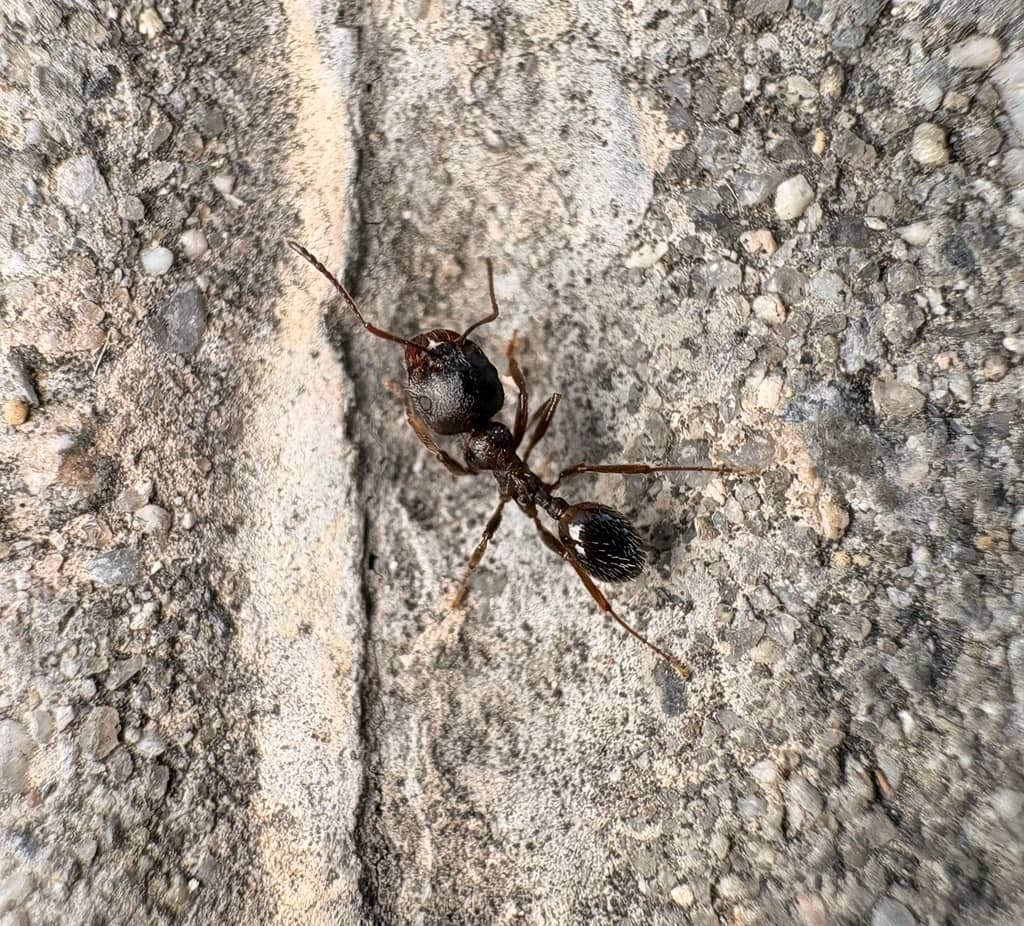
Photo © Sergio Ibarra · CC BY-NC
Where it lives
Widespread across Central and Southern Europe, the Middle East, and Central Asia, inhabiting open grasslands, fields, and sandy soils.
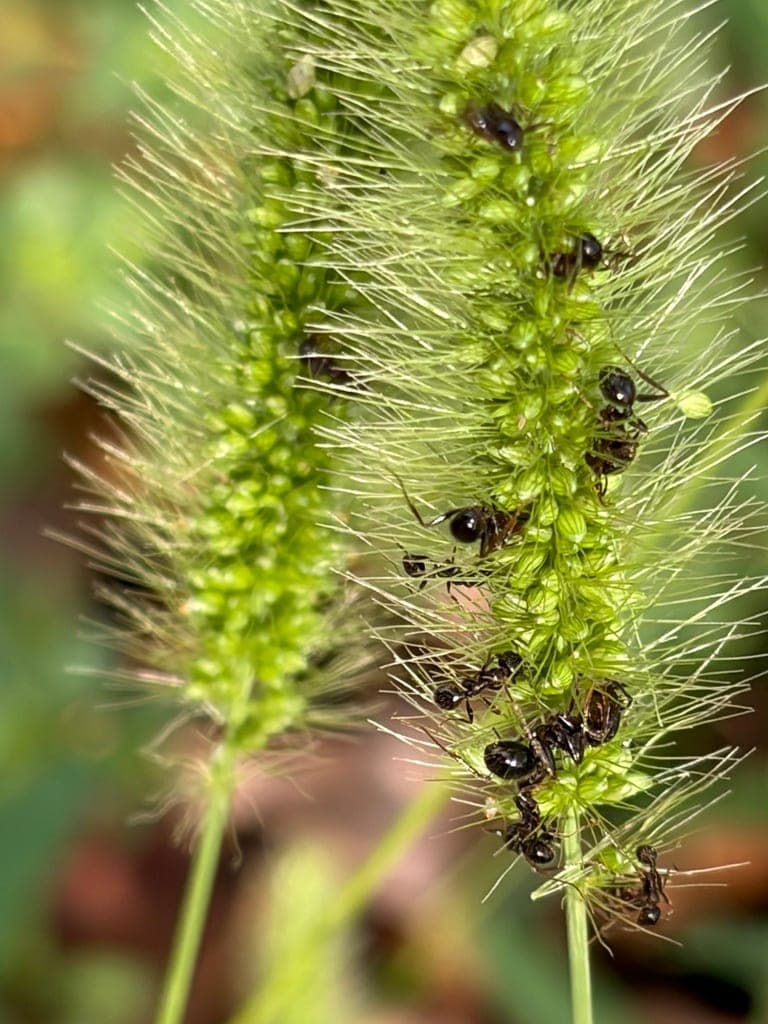
Photo © Carlo Chiari · CC BY-NC
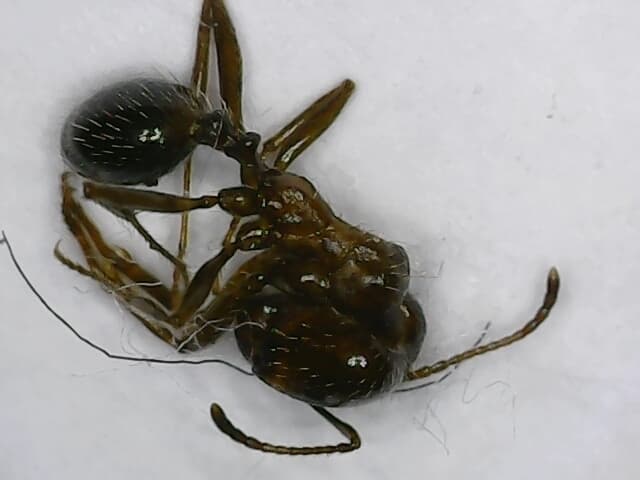
Behaviour
Keeping it
Provide a diet of diverse small seeds (such as grass or sesame seeds) supplemented with feeder insects and sugars. Keep in Ytong, acrylic, or plaster nests with a reliable moisture gradient.
Where the difficulty is
Requires a mandatory winter diapause at reduced temperatures (around 12-15°C) for 2-3 months to maintain the long-term health of the queens.
Fun fact
The genus name Messor is derived from Latin, meaning "harvester," highlighting the species' iconic seed-collecting habits.
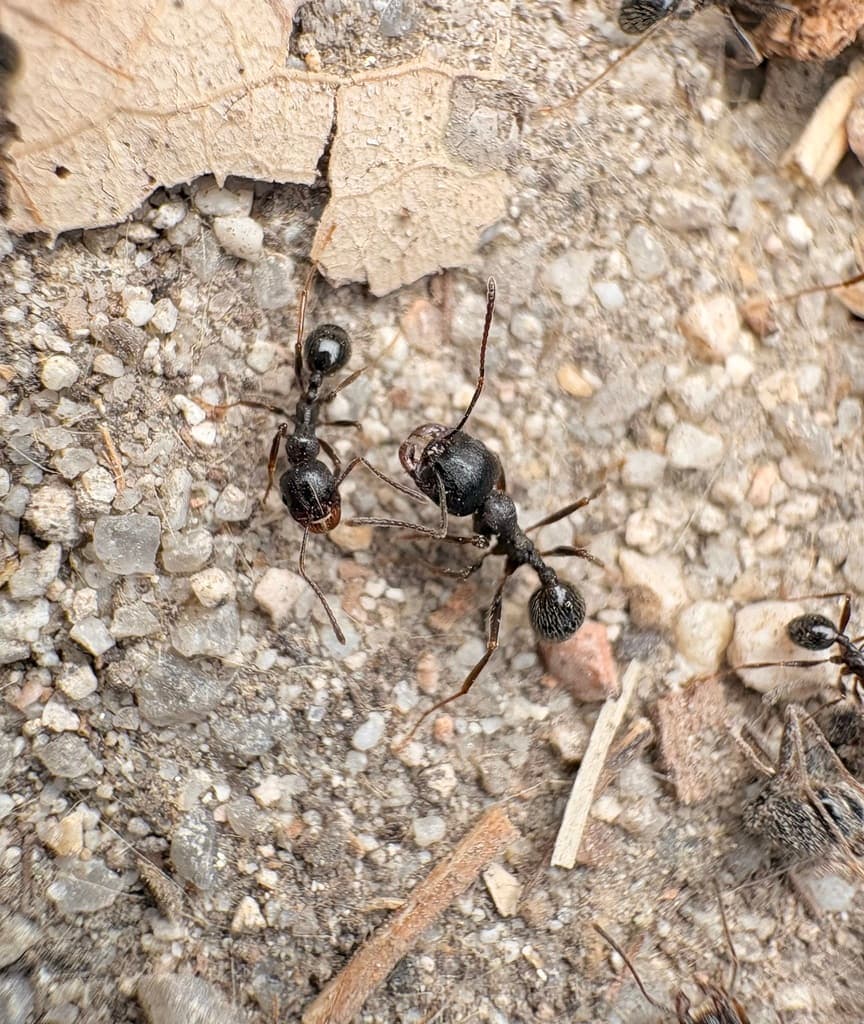
Photo © Sergio Ibarra · CC BY-NC
Gallery
Photo © Bakos Ádám · CC BY-NC
Photo © Sergio Ibarra · CC BY-NC
Photo © Carlo Chiari · CC BY-NC
Photo © Sergio Ibarra · CC BY-NC
Photo © Kéliane Fourche · CC BY-NC
Live photographs are by iNaturalist observers under CC BY-NC — every one carries its credit.
Sources
The Thai text is written from the facts in these sources, not copied from them. · Data confidence: สูง
This page is husbandry information only — live ants aren't sold on the site, for the animals' safety in transit.