
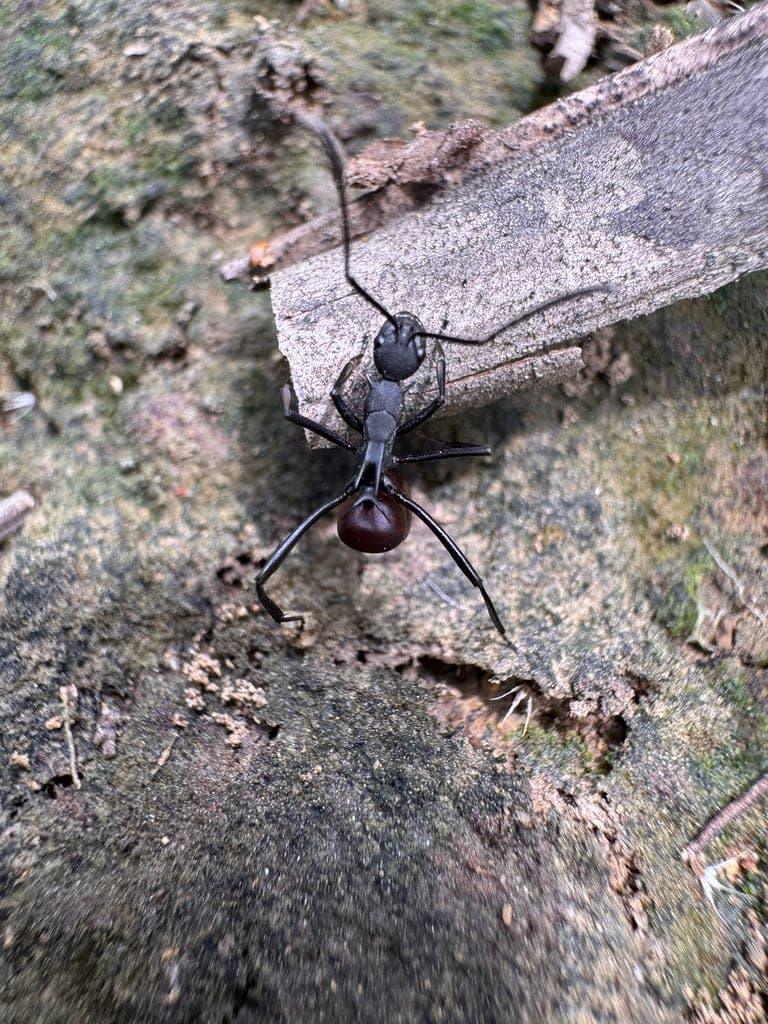
 Live photo
Species & care sheets
Red Ox Spiny Ant
Polyrhachis abdominalis · มดหนามกระทิงแดง
Photo © Qazi Hammad Mueen Qari · CC BY
A spiny ant from Borneo's rainforests with a shiny, gold-tinted black body and sharp thoracic spines. Easy to keep, no sting, great for spiny-ant beginners.
อยู่ในสกุลย่อย Myrmhopla
Overview
Temperature
นอนพัก 24-27°C / หากิน 25-29°C
Humidity
นอนพัก 70-85% / หากิน 60-75%
Diet
Sugar · Insects
Nest type
Arboreal / Acrylic / Ytong
Growth
Medium
Colony size
2,000-6,000 ตัว
- Difficulty — เป็นมดสร้างรังด้วยใย ต้องใช้พื้นที่ arboreal และมีวิธีสร้างรังเฉพาะตัว การเริ่มรังใหม่เป็นแบบ Semi-claustral ที่ต้องการอาหารระหว่างสร้างรัง
- Colony size — ขึ้นอยู่กับพื้นที่และปริมาณวัสดุทำรังในธรรมชาติ
- How often it is found — มีข้อมูลบันทึกพบค่อนข้างมาก เจอได้ไม่ยากนัก — มีบันทึกยืนยันพบในไทยโดยตรงด้วย; เคยมีวางขายในร้านนักเลี้ยงมดต่างประเทศ (แต่ปัจจุบันหมด/ไม่พร้อมส่ง) · Records in Thailand 7 · Records worldwide 443 · Hobbyist market: Was sold, now out of stock
Derived from record counts in global databases (GBIF · AntWeb · iNaturalist), not from how common the ant is in Thailand. — น่าเชื่อถือสูง — มีบันทึกพิกัด/ตัวอย่างในไทยจริง (GBIF/AntWeb)
What it eats
Size
Body length by caste, and the ants drawn to scale on a credit card
Actual size against a credit card
Ants are drawn to scale on a standard card (85.6 × 54 mm) — hold a real card against the screen and move the slider until the card matches, and the ants are then life-size.
~9 mm
~13 mm
Behaviour & care
Defences
DefensiveBites or stings when disturbed — mind the nest when opening it.
Colony profile
Queens
Single queen (monogyne)
Founding
Semi-claustral
Diapause
Not required
Growth
Medium
In depth
มดชนิดนี้ใช้ใยที่พ่นออกมาจากตัวตัวอ่อน (larvae) ในการถักทอใบไม้ กิ่งไม้ และเศษพืชเข้าด้วยกันเพื่อสร้างรังอบอุ่นบนต้นไม้
Appearance
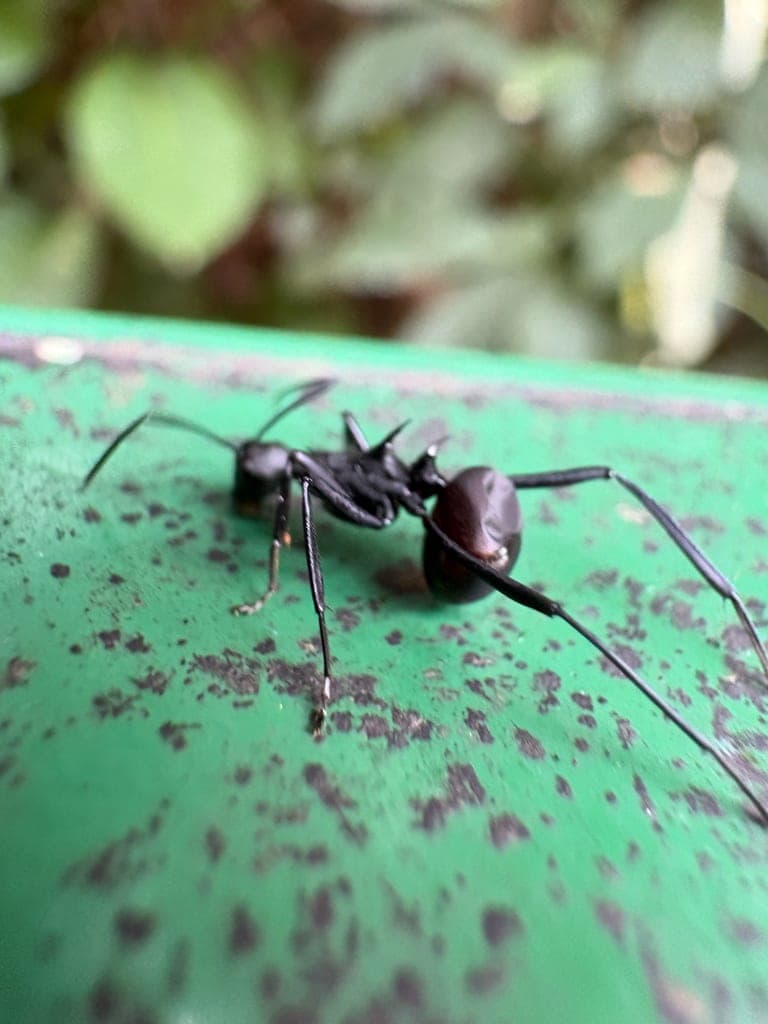
Where it lives
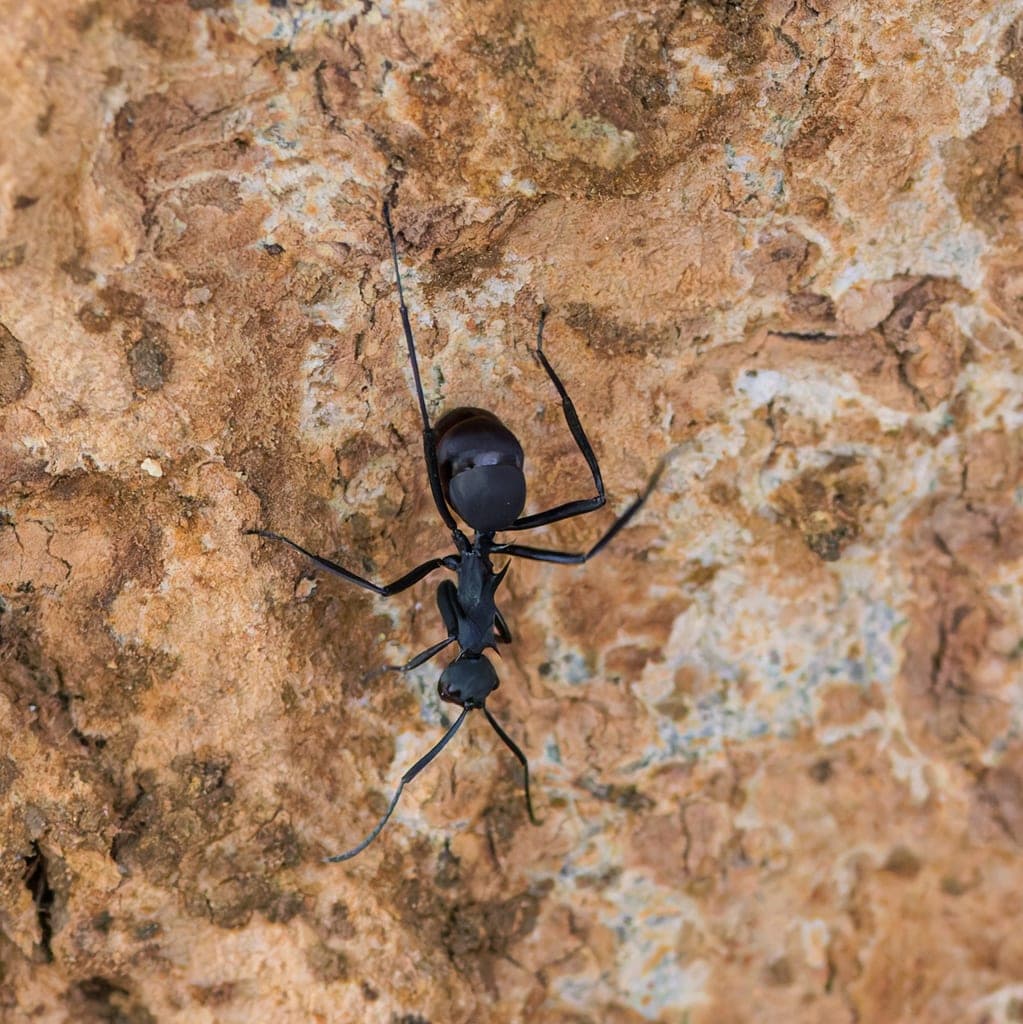
Behaviour
An active and agile arboreal foraging species. When threatened, they assume defensive postures and can spray formic acid. They showcase remarkable cooperative behavior when using larvae as 'glue guns' to weave nests.
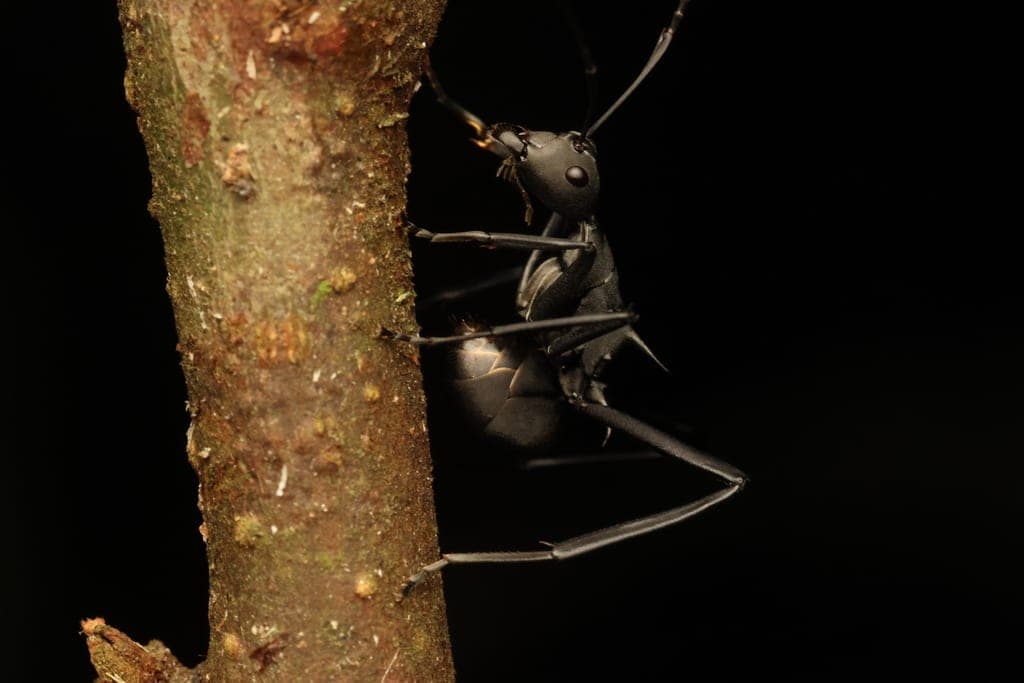
Photo © Benjamin Palm · CC BY-NC
Keeping it
Best kept in an arboreal setup with vertical climbing space and synthetic/real foliage. Maintain temperatures between 24-28°C and humidity at 60-80%. Provide sugars regularly alongside small feeder insects.
Where the difficulty is
Founding queens are semi-claustral and require foraging access and food during the first brood cycle. Maintaining humidity and nest-weaving materials is essential.
Fun fact
The species epithet "abdominalis" highlights its visually distinctive and bright reddish abdomen.
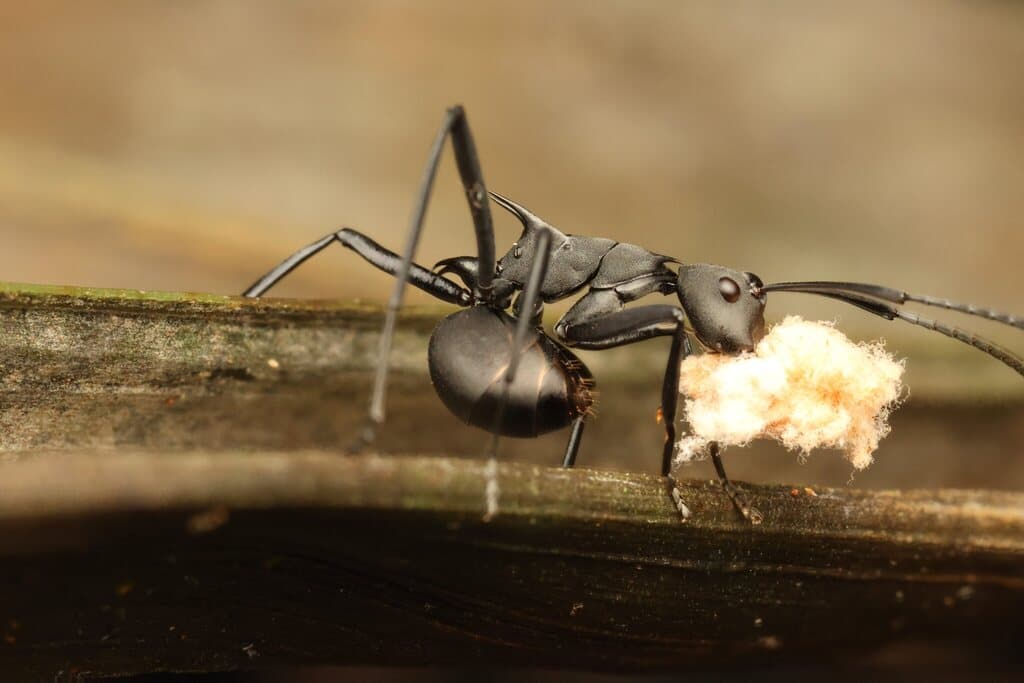
Photo © Benjamin Palm · CC BY-NC
Gallery
Photo © Qazi Hammad Mueen Qari · CC BY
Photo © Benjamin Palm · CC BY-NC
Photo © Benjamin Palm · CC BY-NC
Photo © Julian Fuchs · CC BY-NC
Live photographs are by iNaturalist observers under CC BY-NC — every one carries its credit.
Sources
The Thai text is written from the facts in these sources, not copied from them. · Data confidence: สูง
This page is husbandry information only — live ants aren't sold on the site, for the animals' safety in transit.