
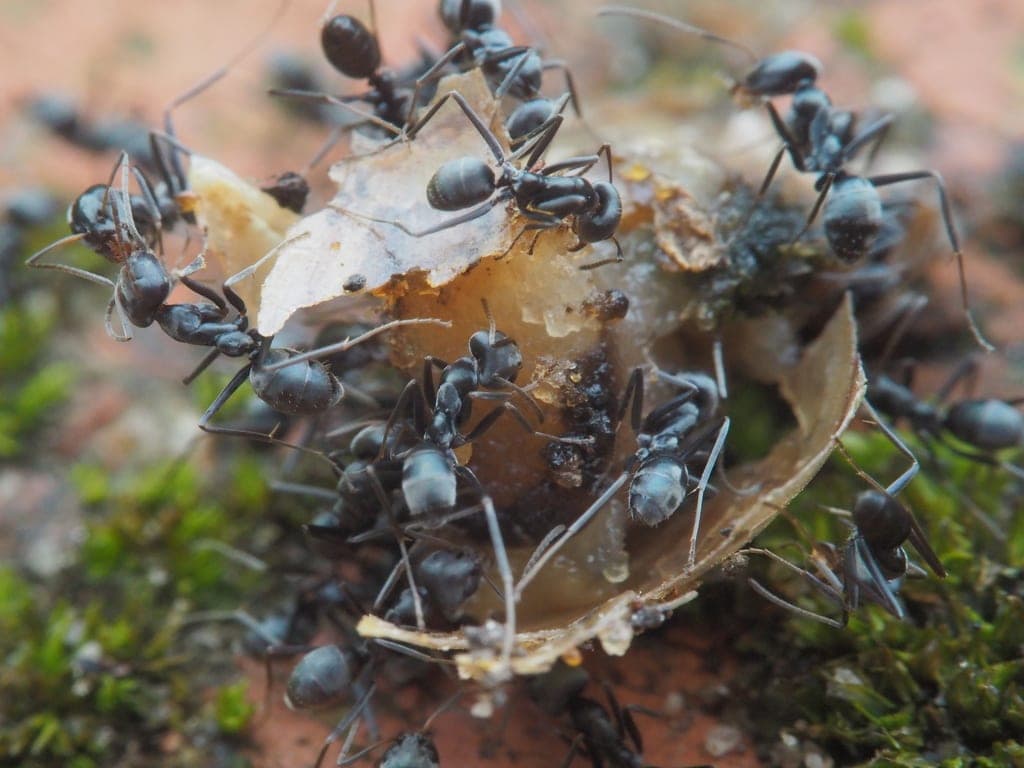
 Live photo
Species & care sheets
Black Tyrant Ant
Iridomyrmex anceps · มดดำทุ่ง
Photo © antsplaychess · CC BY-NC
A small, fast-moving black ant that builds colonies quickly, the Black Tyrant Ant is easy to keep but demands an escape-proof setup for its unusually agile workers.
Overview
Temperature
20–28°C
Humidity
70–90%
Diet
Sugar · Insects
Nest type
Acrylic / 3D printed / Ytong / Soil
Growth
Fast
Colony size
10,000–30,000 ตัว
- Difficulty — เลี้ยงง่าย โตไว และกินเก่ง แต่เคลื่อนไหวเร็วและขยายรังได้ใหญ่มากจนหลุดรอดได้ง่าย
- Colony size — รังที่โตเต็มที่อาจมีมดงานหลายหมื่นตัว
- How often it is found — มดที่มีข้อมูลบันทึกพบมากที่สุดในกลุ่ม เจอได้บ่อยตามธรรมชาติ — มีบันทึกยืนยันพบในไทยโดยตรงด้วย; มีวางขายในตลาดนักเลี้ยงมดต่างประเทศ (มีสต๊อกจริง) · Records in Thailand 98 · Records worldwide 2,168 · Hobbyist market: Sold abroad
Derived from record counts in global databases (GBIF · AntWeb · iNaturalist), not from how common the ant is in Thailand. — น่าเชื่อถือสูง — มีบันทึกพิกัด/ตัวอย่างในไทยจริง (GBIF/AntWeb)
What it eats
Size
Body length by caste, and the ants drawn to scale on a credit card
Actual size against a credit card
Ants are drawn to scale on a standard card (85.6 × 54 mm) — hold a real card against the screen and move the slider until the card matches, and the ants are then life-size.
~4.5 mm
~8 mm
Behaviour & care
Defences
AggressiveAttacks when disturbed — handle with care.
Colony profile
Queens
Either
Founding
Claustral
Diapause
Not required
Growth
Fast
In depth
สกุลนี้ขึ้นชื่อเรื่องการหลั่งสารเคมีจากต่อม Pygidial gland ซึ่งปล่อยกลิ่นเตือนภัยรุนแรงและใช้ข่มคู่แข่งได้อย่างมีประสิทธิภาพ
Appearance
Iridomyrmex anceps features a dark brown to black body with an iridescent metallic sheen characteristic of its genus. Workers range from 3.5-5.5 mm while queens measure 7.0-9.0 mm; there is no major worker caste.
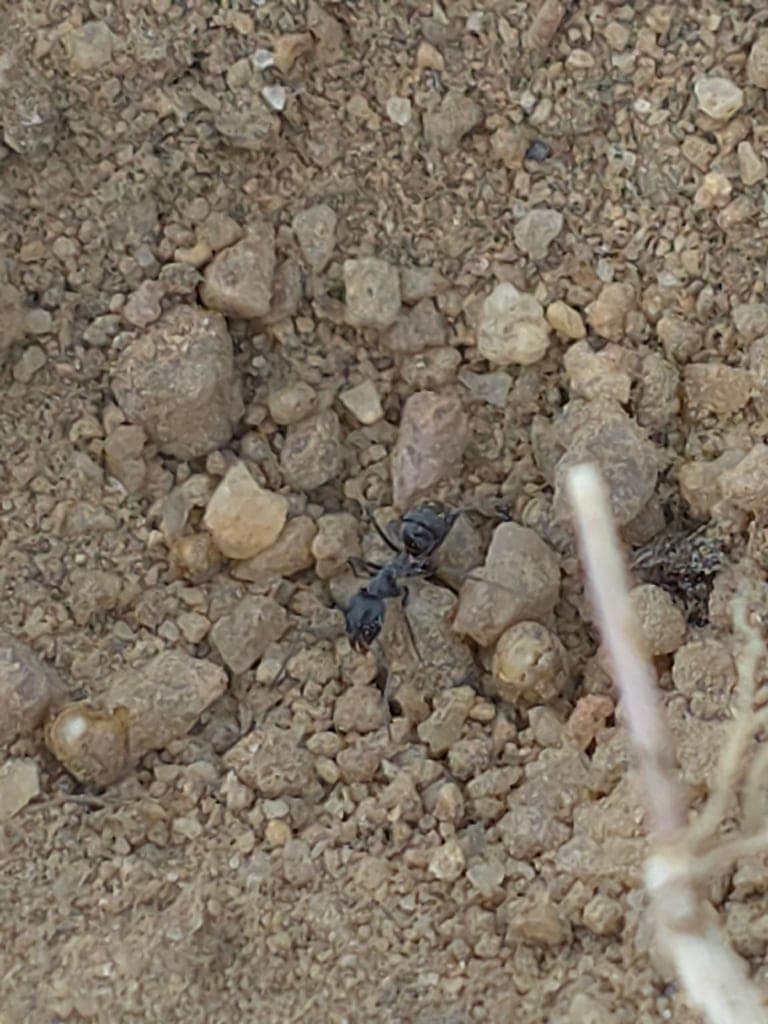
Photo © Eeshan Arfan · CC BY-NC
Where it lives
Widespread across Southeast Asia and Australasia, nesting primarily in soil, open ground, or under rocks and tree bases.
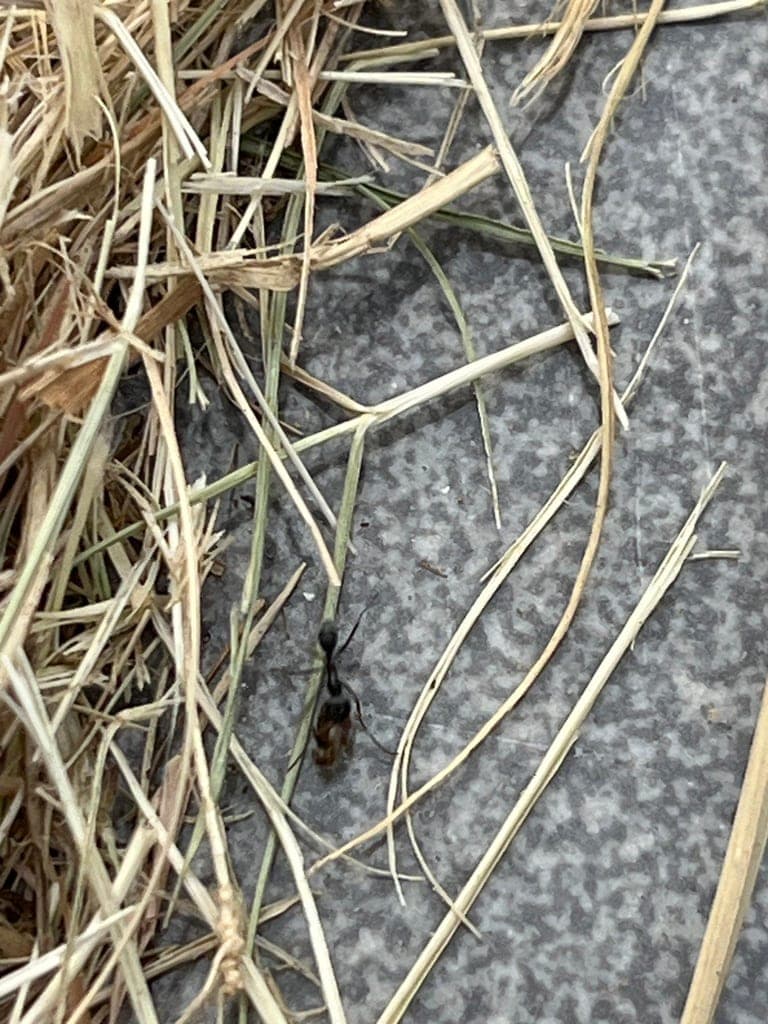
Photo © Animotions · CC BY-NC
Behaviour
Extremely fast and aggressive, this species forms prominent foraging trails and readily uses a combination of bites and chemical defense when threatened.
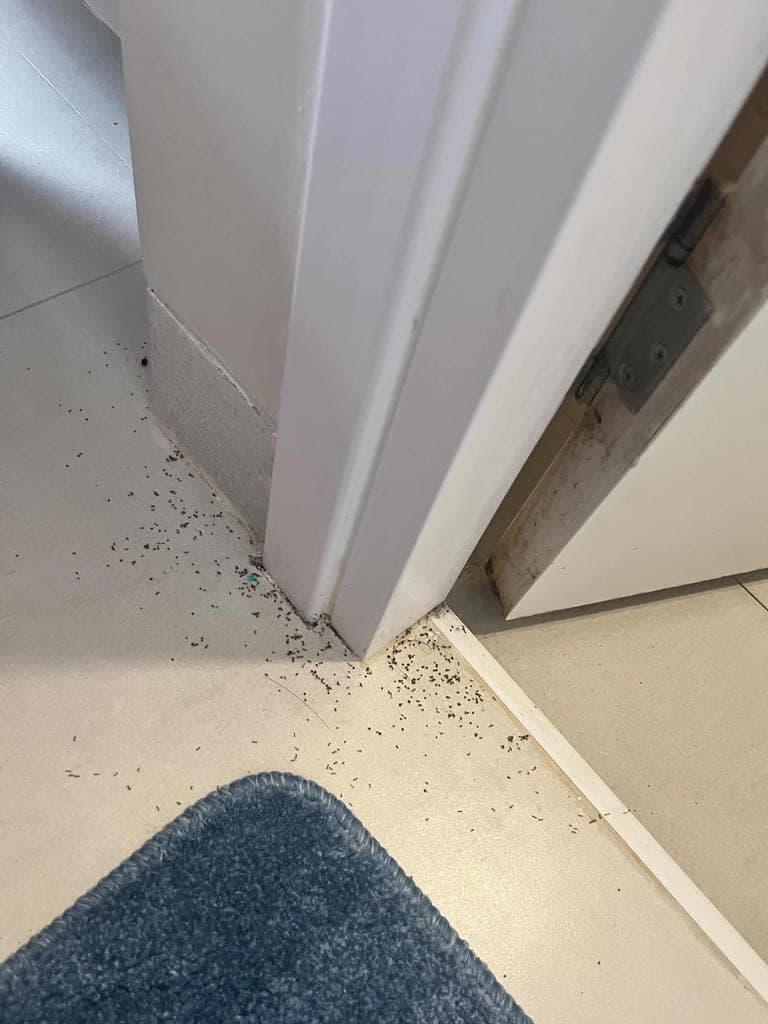
Photo © Namplai chanel · CC BY-NC
Keeping it
Thrives in acrylic, 3D-printed, Ytong, or natural soil nests with 50-70% humidity. They are generalist feeders accepting sugar water and small feeder insects.
Where the difficulty is
Rapid growth rates and extreme speed make containment the primary challenge as colonies scale up into thousands of individuals.
Fun fact
The genus name Iridomyrmex translates to "rainbow ant" due to the iridescent shine visible on their bodies under direct light.
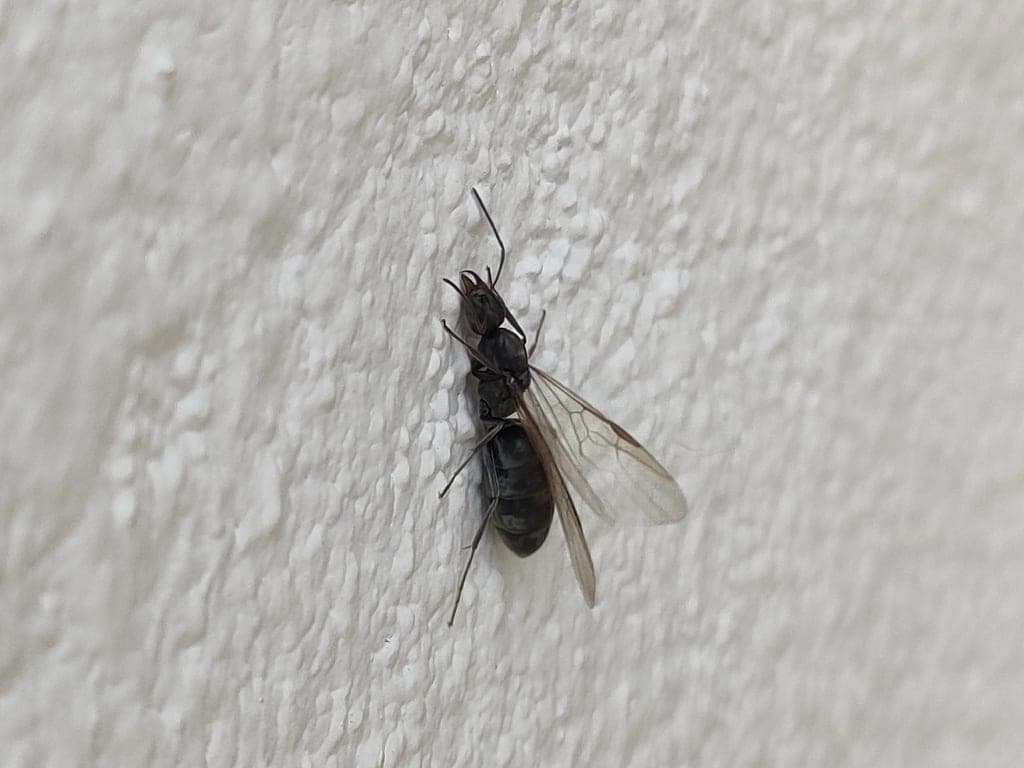
Photo © Niran Anurakpongsathorn · CC BY-NC
Gallery
Photo © antsplaychess · CC BY-NC
Photo © Eeshan Arfan · CC BY-NC
Photo © Animotions · CC BY-NC
Photo © Namplai chanel · CC BY-NC
Photo © Niran Anurakpongsathorn · CC BY-NC
Photo © Masatoshi Sone · CC BY-NC
Photo © antsplaychess · CC BY-NC
Live photographs are by iNaturalist observers under CC BY-NC — every one carries its credit.
Sources
The Thai text is written from the facts in these sources, not copied from them. · Data confidence: สูง
This page is husbandry information only — live ants aren't sold on the site, for the animals' safety in transit.