
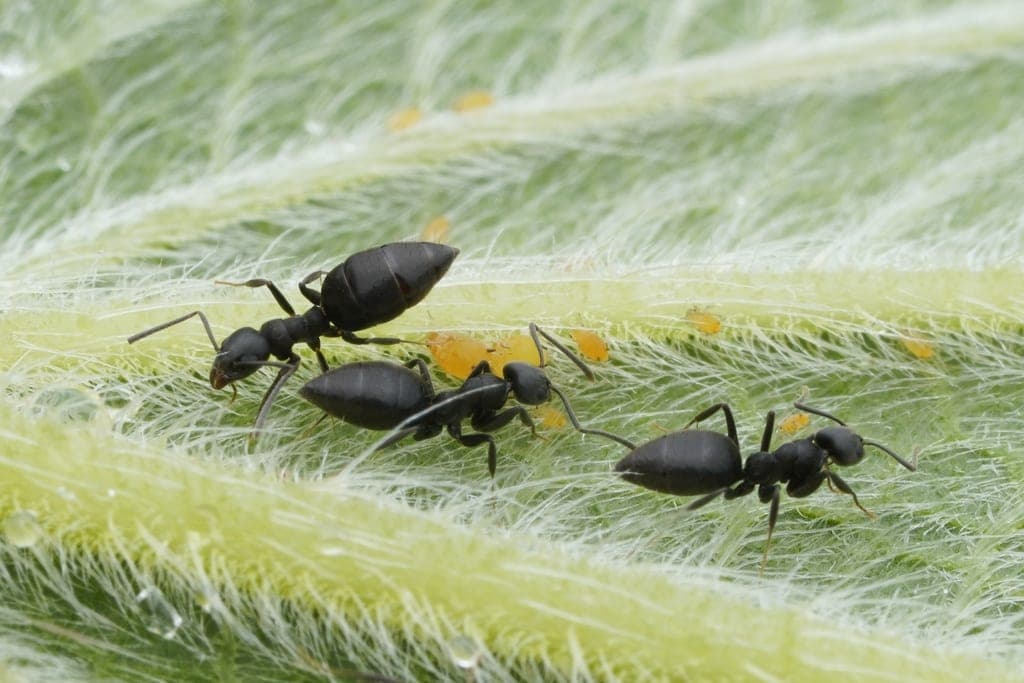
 Live photo
Species & care sheets
Butteli White-footed Ant
Technomyrmex butteli · มดเอวแบนเล็ก
Photo © Jonghyun Park · CC BY
A small, glossy black ant that moves quickly and stays highly alert, living in large multi-queen colonies. A great beginner species for studying polygynous ant societies.
Overview
Temperature
24–30°C
Humidity
60–80%
Diet
Sugar · Insects
Nest type
Wood / Acrylic / 3D printed
Colony size
500–2,000 ตัว
- Difficulty — ข้อมูลการเลี้ยงในระบบปิดมีจำกัด และต้องการรังที่ควบคุมความชื้นปานกลางถึงสูงเนื่องจากเป็นมดต้นไม้
- Colony size — ข้อมูลเฉพาะสายพันธุ์ในธรรมชาติและในสถานที่เลี้ยงยังมีจำกัด
- How often it is found — มีข้อมูลบันทึกพบน้อยที่สุดในกลุ่ม ถือเป็นชนิดที่หายากตามข้อมูลที่มีอยู่ · Records in Thailand 0 · Records worldwide 19 · Hobbyist market: Not listed
Derived from record counts in global databases (GBIF · AntWeb · iNaturalist), not from how common the ant is in Thailand. — ไม่สามารถประเมินได้ — ไม่มีข้อมูลพิสัยการแพร่กระจายจาก AntWiki
What it eats
Size
Body length by caste, and the ants drawn to scale on a credit card
Actual size against a credit card
Ants are drawn to scale on a standard card (85.6 × 54 mm) — hold a real card against the screen and move the slider until the card matches, and the ants are then life-size.
~2.9 mm
No queen measurement recorded for this species yet.
Behaviour & care
Defences
Colony profile
Diapause
Not required
In depth
The Butteli White-footed Ant (Technomyrmex butteli) is a small, glossy black ant commonly found across tropical Asia. It's highly alert and forages along long, continuous trails, making it an easy-to-keep species ideal for beginners exploring multi-queen ant societies.
Appearance
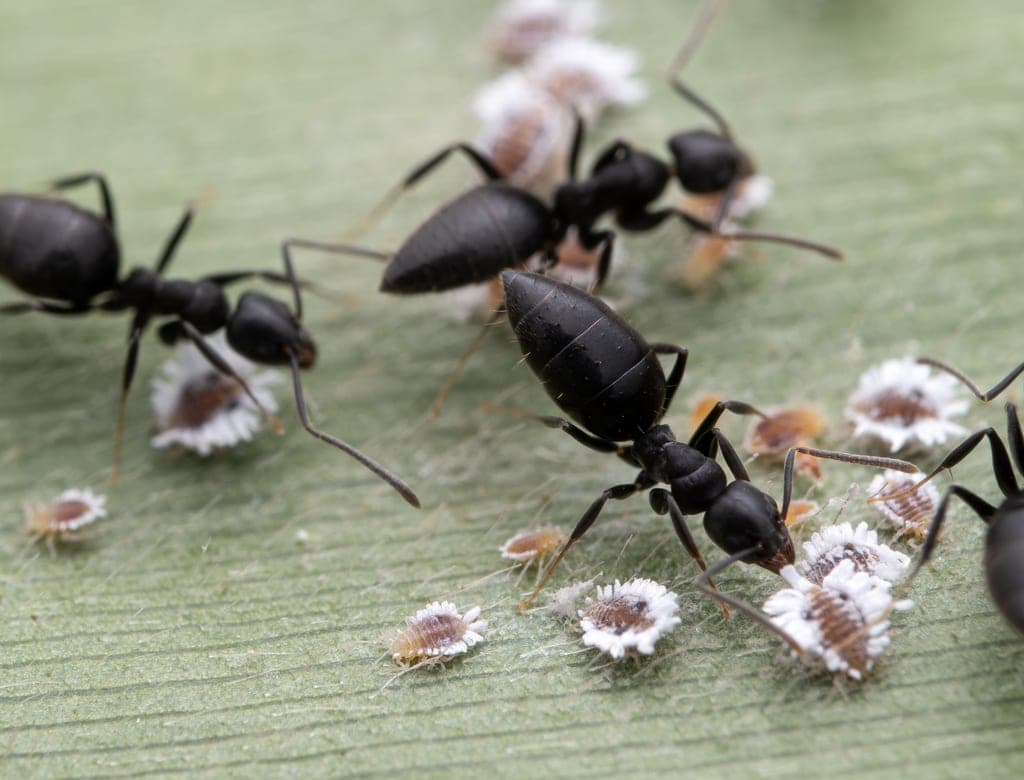
Where They're Found
Widely distributed across tropical Southeast Asia, including Thailand. It typically lives on trees, under bark, in rock crevices, or even around homes and gardens, adapting well to environments shared with humans.
Notable Behavior: A Multi-Queen Society
Technomyrmex butteli forms polygynous societies with multiple queens, allowing colonies in the wild to expand and merge into large supercolonies. In captivity, though, colonies usually start small and grow gradually.
It feeds on both sugary liquids and small insects, staying alert and constantly foraging. It's not particularly aggressive toward humans but competes well against other ant species.
This is an easy species overall, well suited to beginners thanks to its adaptability and tolerance for varied conditions. The colony size listed (500–2,000 workers) reflects a typical size seen in captivity, though wild supercolonies can grow far larger than this.
Good to Know
Ants in the genus Technomyrmex are collectively known as "white-footed ants" because their leg tips are noticeably paler than their dark bodies. Species in this genus are found across many tropical and subtropical regions worldwide.
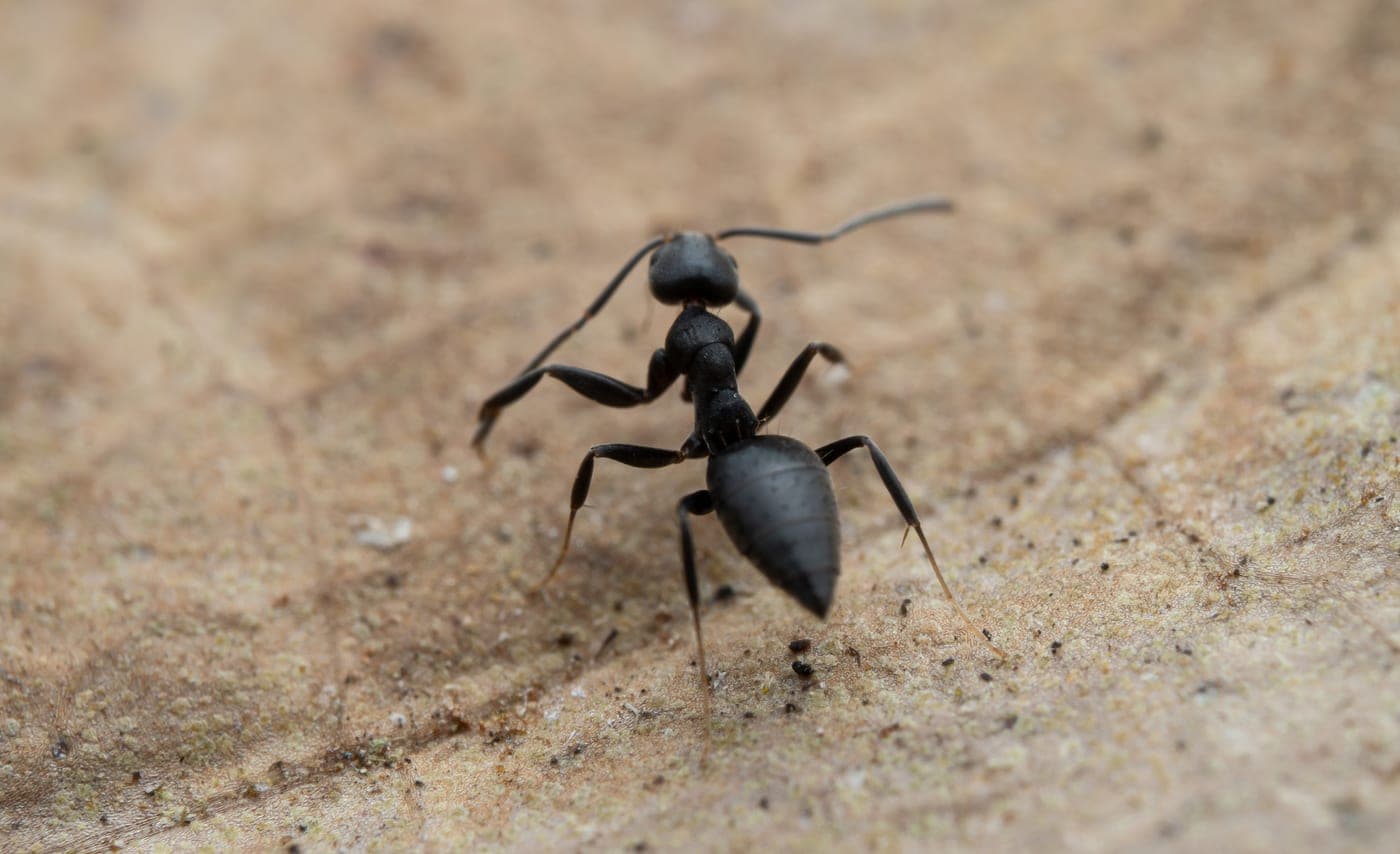
Keeping Them in Captivity
The ideal temperature range is 24–30°C, with fairly high humidity of 60–80% since it's a tropical, humidity-loving species. Feed it diluted honey or sugar water alongside small insects like fruit flies or bloodworms. Suits a small-to-medium nest setup well.
Gallery
Live photographs are by iNaturalist observers under CC BY-NC — every one carries its credit.
Sources
The Thai text is written from the facts in these sources, not copied from them. · Data confidence: ต่ำ
This page is husbandry information only — live ants aren't sold on the site, for the animals' safety in transit.