
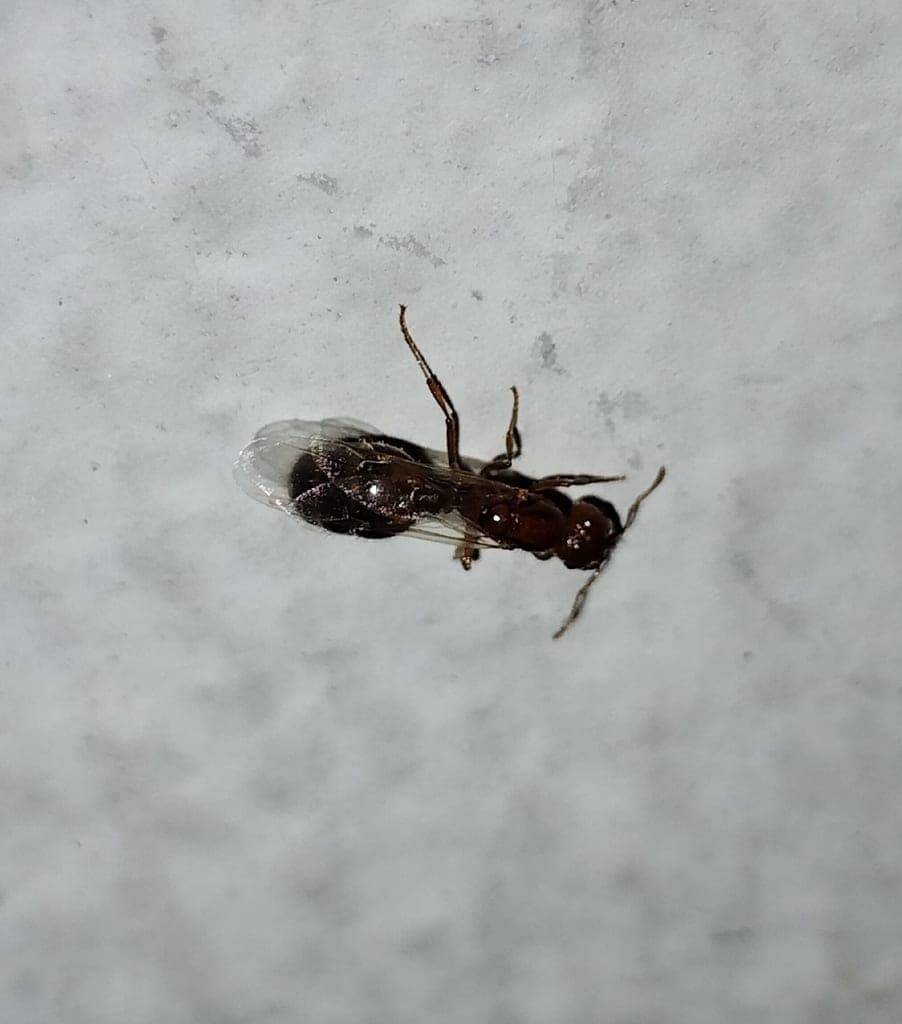
 Live photo
Species & care sheets
Tropical Fire Ant
Solenopsis geminata · มดคันไฟ
Photo © Richard David Bea Dy · CC BY
The Tropical Fire Ant packs a fiery sting behind a small body and is one of the most familiar wild ants in Thailand. Tough, adaptable, and defensive, it's a species experienced keepers pick up for the challenge, not beginners looking for an easy first colony.
มดคันไฟเขตร้อน (Tropical Fire Ant) เป็นสายพันธุ์ต่างถิ่นที่รุกรานในหลายภูมิภาครวมถึงประเทศไทย
Overview
Temperature
24–28°C
Humidity
50–65%
Diet
Sugar · Insects · Seeds
Nest type
Soil / Ytong / Acrylic / 3D printed
Growth
Fast
Colony size
1,000–5,000 ตัว
- Difficulty — โตเร็วมาก ดุร้าย มีเหล็กไนเจ็บ และแหกรังเก่งมาก ต้องใช้ระบบป้องกันการหนีที่รัดกุมเป็นพิเศษ
- Colony size — รังขนาดใหญ่อาจมีประชากรมากกว่า 100,000 ตัวขึ้นไป
- How often it is found — มดที่มีข้อมูลบันทึกพบมากที่สุดในกลุ่ม เจอได้บ่อยตามธรรมชาติ — มีบันทึกยืนยันพบในไทยโดยตรงด้วย; มีวางขายในตลาดนักเลี้ยงมดต่างประเทศ (มีสต๊อกจริง) · Records in Thailand 171 · Records worldwide 16,986 · Hobbyist market: Sold abroad
Derived from record counts in global databases (GBIF · AntWeb · iNaturalist), not from how common the ant is in Thailand. — น่าเชื่อถือสูง — มีบันทึกพิกัด/ตัวอย่างในไทยจริง (GBIF/AntWeb)
What it eats
Size
Body length by caste, and the ants drawn to scale on a credit card
Actual size against a credit card
Ants are drawn to scale on a standard card (85.6 × 54 mm) — hold a real card against the screen and move the slider until the card matches, and the ants are then life-size.
~3.0 mm
~5.5 mm
~8.5 mm
Behaviour & care
Defences
AggressiveAttacks when disturbed — handle with care.
Colony profile
Queens
Either
Founding
Claustral
Diapause
Not required
Growth
Fast
In depth
The Tropical Fire Ant (Solenopsis geminata) is one of the ants Thais are most likely to have actually met — usually by accidentally stepping on a nest. The name "fire ant" comes straight from the burning sensation its sting leaves behind. It's a tough, highly adaptable species, and one that experienced keepers take on specifically for the challenge.
Appearance
This species shows a clear split between major workers (soldiers) and minor workers. Majors have a disproportionately large, almost square head, with mandibles visibly worn from milling seeds. Body color ranges from reddish-brown to dark brown, and both castes carry a functional stinger that delivers a genuinely painful, burning sting.
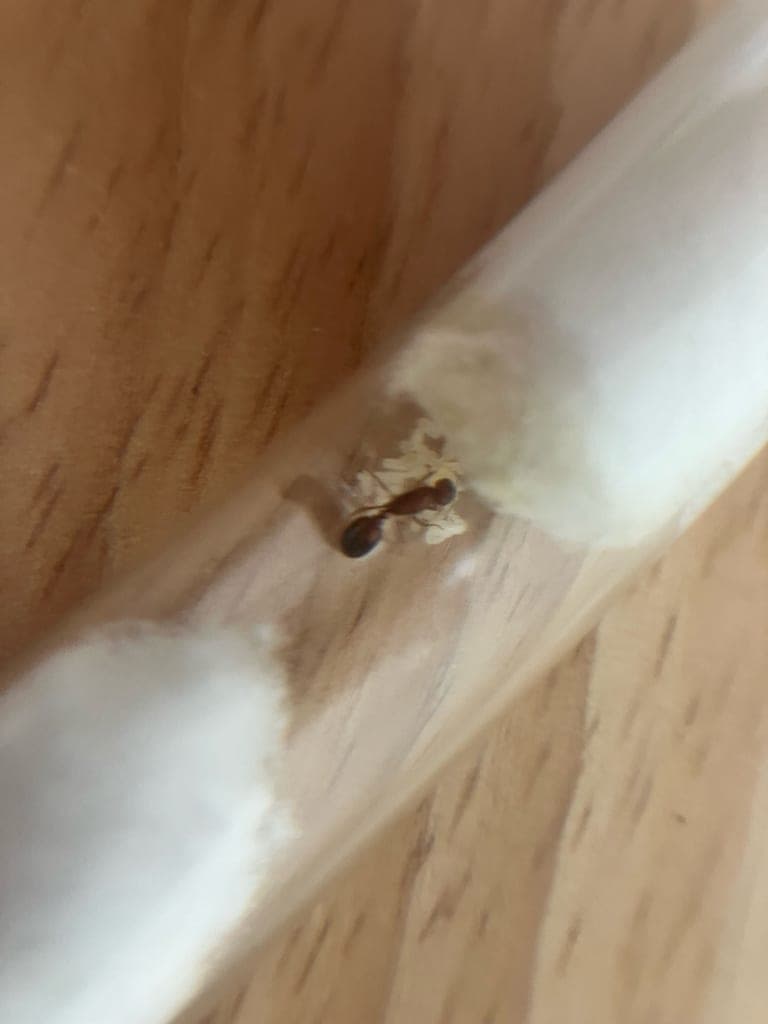
Where They're Found
Originally native to Central America and the southern United States, this species has spread throughout tropical and subtropical regions worldwide through human trade and commerce, including Southeast Asia and Thailand. It favors open, sunny habitats such as lawns, fields, and roadsides, avoiding deep forest shade, and builds loose, crater-like mounds of loose soil, sometimes using rotten stumps as shelter.
This is an expert-level species, not recommended for beginners, because of its genuinely painful sting and potential to trigger allergic reactions. Fast, defensive workers also require secure enclosures to prevent escapes. The colony size listed (1,000–5,000 ants) reflects a realistic size manageable by a keeper; fully mature wild nests can hold 100,000 or more workers, but that figure describes a large wild colony, not what's typically seen in captivity.
Good to Know
The Tropical Fire Ant is banned in several countries, including EU member states and Japan, because it's classified as an invasive species capable of ecological damage. Anyone interested in keeping this species should always check local regulations first.
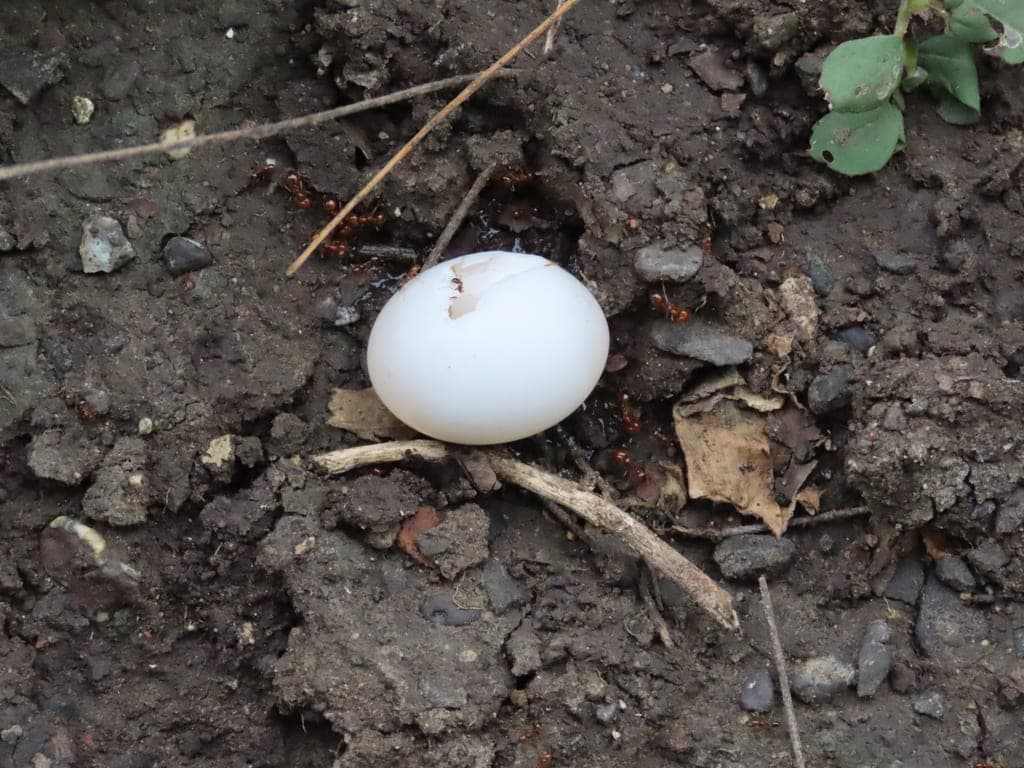
Photo © Shilpa Gadgil · CC BY-NC
Behavior: Aggressive with a Powerful Sting
Tropical Fire Ants are famous for their fierce response when a nest is disturbed — workers boil out in large numbers to sting all at once, and the venom is potent enough to trigger severe allergic reactions in some people.
They're omnivorous opportunists, feeding on small animals as well as harvesting seeds. In flood-prone areas, colonies are even known to link together into floating rafts of workers to survive rising water — a remarkable survival behavior seen across the genus Solenopsis.
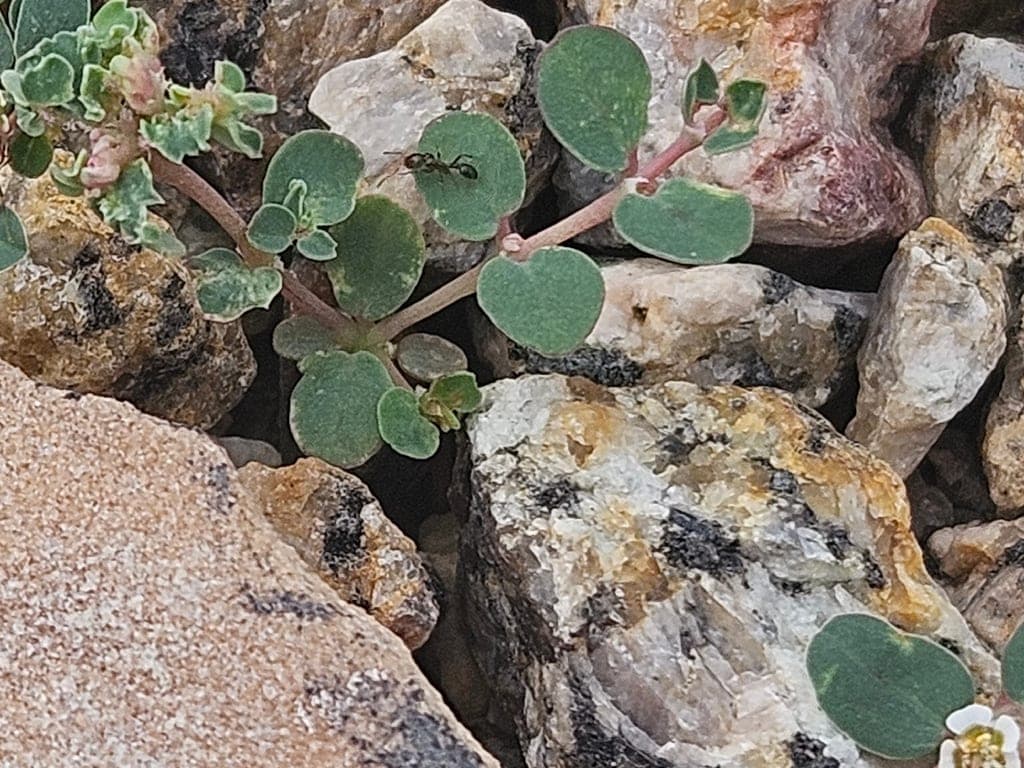
Keeping Them in Captivity
Queens found fully claustral colonies, and eggs take roughly 6–8 weeks to develop into the first workers under good conditions. Recommended temperature is 24–28°C, with moderate to fairly dry humidity of 50–65%, since this species tolerates drought better than many others. Diet should lean toward protein from insects such as crickets or mealworms, alongside sugar water or honey.
Gallery
Photo © Richard David Bea Dy · CC BY
Photo © Shilpa Gadgil · CC BY-NC
Photo © Julien Carley-Windeler · CC BY-NC
Photo © Lucas Pereira · CC BY-NC
Photo © Emanuel POSADA · CC BY-NC
Photo © Emanuel POSADA · CC BY-NC
Photo © Sheldon Logan · CC BY-NC
Live photographs are by iNaturalist observers under CC BY-NC — every one carries its credit.
Sources
The Thai text is written from the facts in these sources, not copied from them. · Data confidence: สูง
This page is husbandry information only — live ants aren't sold on the site, for the animals' safety in transit.