
 Live photo
Species & care sheets
Southern Shield Ant
Meranoplus mucronatus · มดโล่ปักษ์ใต้
Photo © Belinda Wong · CC BY-NC
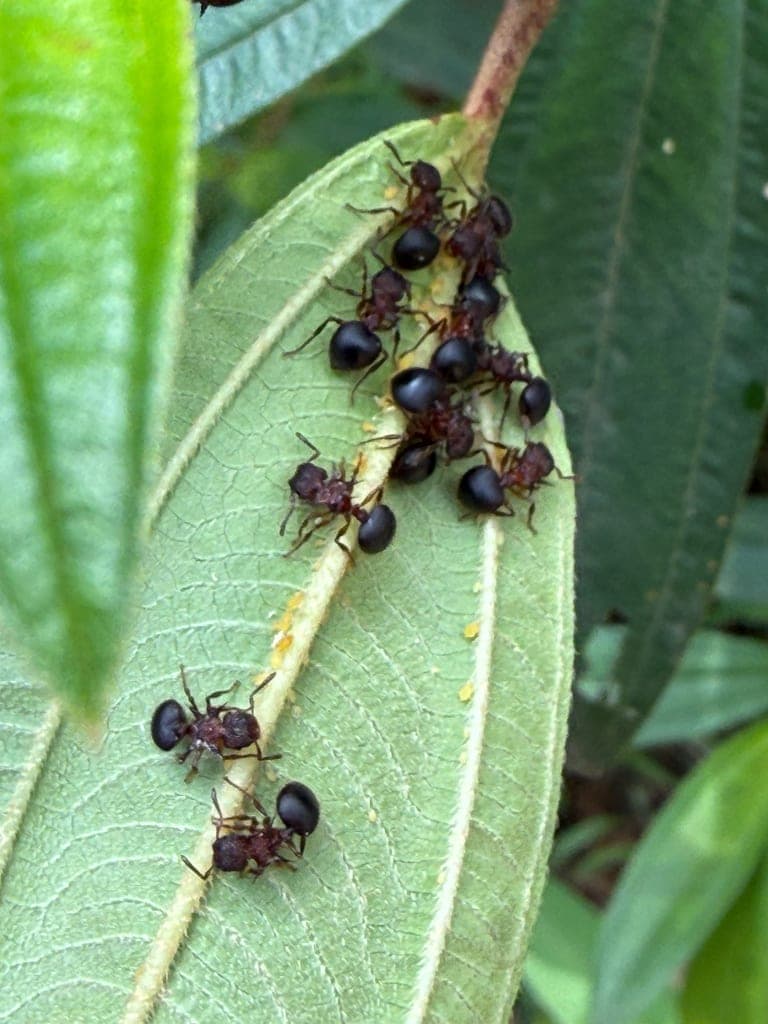
A shield ant with a black head and gaster contrasting a red-brown thorax. Moves slowly, relying on chemical defenses. Easy to keep, well suited to planted tropical setups.
Overview
Temperature
25-30°C
Humidity
50-70%
Diet
Sugar · Insects · Seeds
Nest type
Soil / Ytong / Acrylic / 3D printed
Growth
Slow
Colony size
300-800 ตัว
- Difficulty — เติบโตช้า มีความไวต่อความชื้น และมักถูกรบกวนได้ง่ายจากแรงสั่นสะเทือน
- Colony size — เติบโตช้า รังขนาดใหญ่ในธรรมชาติต่างประเทศอาจถึงประมาณ 3,000 ตัว
- How often it is found — มีข้อมูลบันทึกพบอยู่ในระดับกลางๆ ต้องตั้งใจมองหาสักหน่อย — เคยมีวางขายในร้านนักเลี้ยงมดต่างประเทศ (แต่ปัจจุบันหมด/ไม่พร้อมส่ง) · Records in Thailand 2 · Records worldwide 161 · Hobbyist market: Was sold, now out of stock
Derived from record counts in global databases (GBIF · AntWeb · iNaturalist), not from how common the ant is in Thailand. — น่าเชื่อถือสูง — มีบันทึกพิกัด/ตัวอย่างในไทยจริง (GBIF/AntWeb)
What it eats
Size
Body length by caste, and the ants drawn to scale on a credit card
Actual size against a credit card
Ants are drawn to scale on a standard card (85.6 × 54 mm) — hold a real card against the screen and move the slider until the card matches, and the ants are then life-size.
~3 mm
~5.5 mm
Behaviour & care
Defences
DefensiveBites or stings when disturbed — mind the nest when opening it.
Colony profile
Queens
Single queen (monogyne)
Founding
Claustral
Diapause
Not required
Growth
Slow
In depth
รูปร่างที่คล้ายโล่หนามและขนปกคลุมแน่นช่วยให้พวกมันกลมกลืนไปกับเศษดินและเศษไม้ในธรรมชาติได้อย่างแยบยล
Appearance
Meranoplus mucronatus features a heavily armored, shield-like mesosoma with prominent dorsal spines and a dense coating of fine hair, giving it a very distinct appearance.
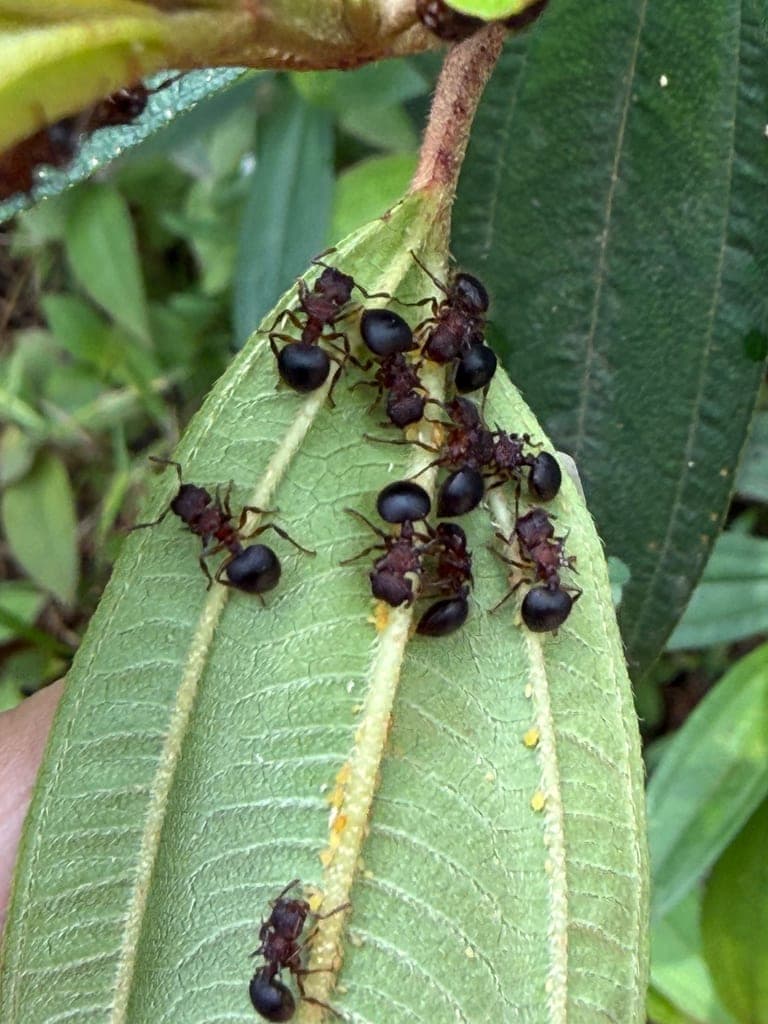
Photo © Belinda Wong · CC BY-NC
Where it lives
Distributed across Southeast Asia, including Thailand. They nest in damp soil and leaf litter within tropical rainforests.
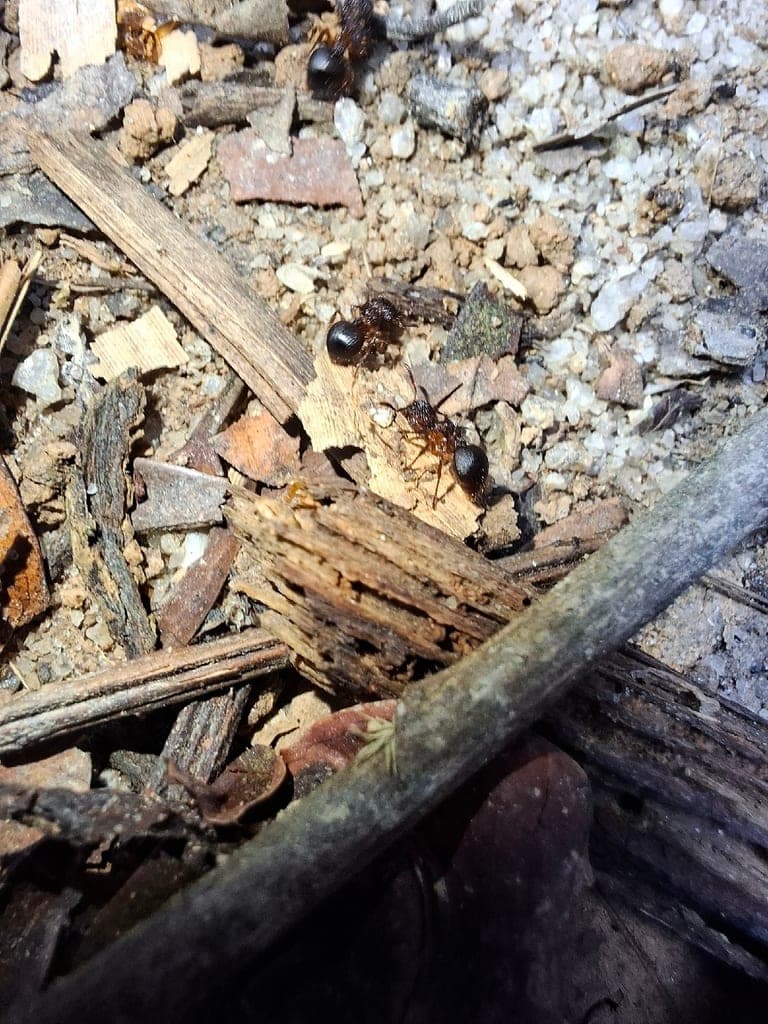
Photo © Maks Syratt · CC BY-NC
Behaviour
They move deliberately and slowly. When threatened, they tuck their appendages beneath their shield and feign death (thanatosis) to confuse predators.
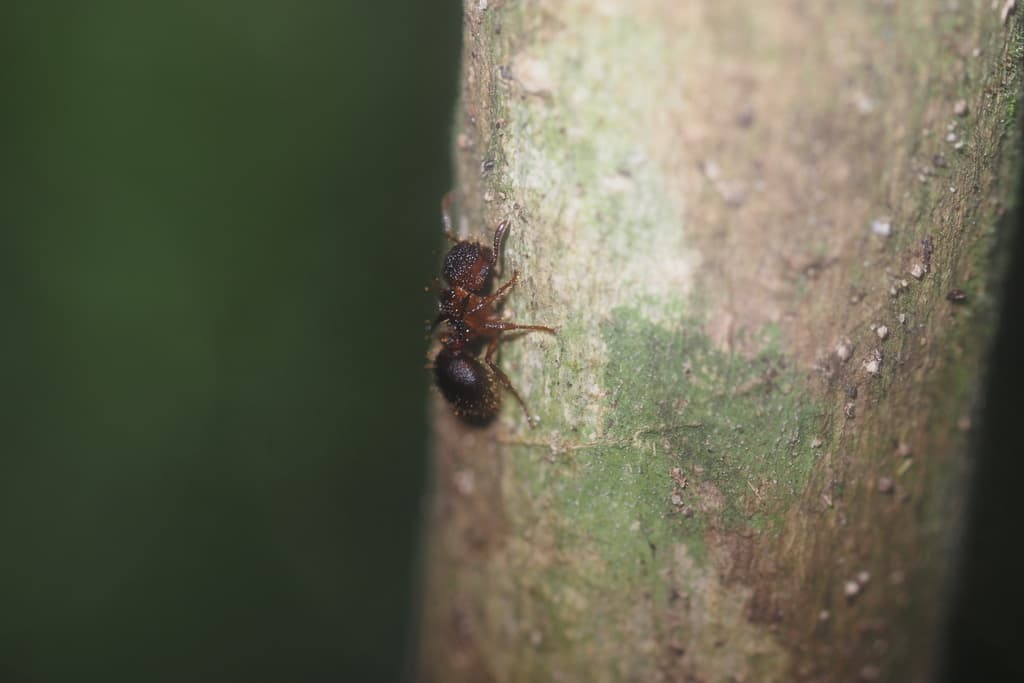
Photo © monarchatto · CC BY-NC
Keeping it
Maintain moderate to high humidity (60-80%) using Ytong, acrylic with hydration, or natural soil setups. Feed them sugars, small feeder insects, and occasionally small seeds.
Where the difficulty is
Colony growth is notably slow, and they can be sensitive to vibrations and sudden environmental changes, requiring patience from the keeper.
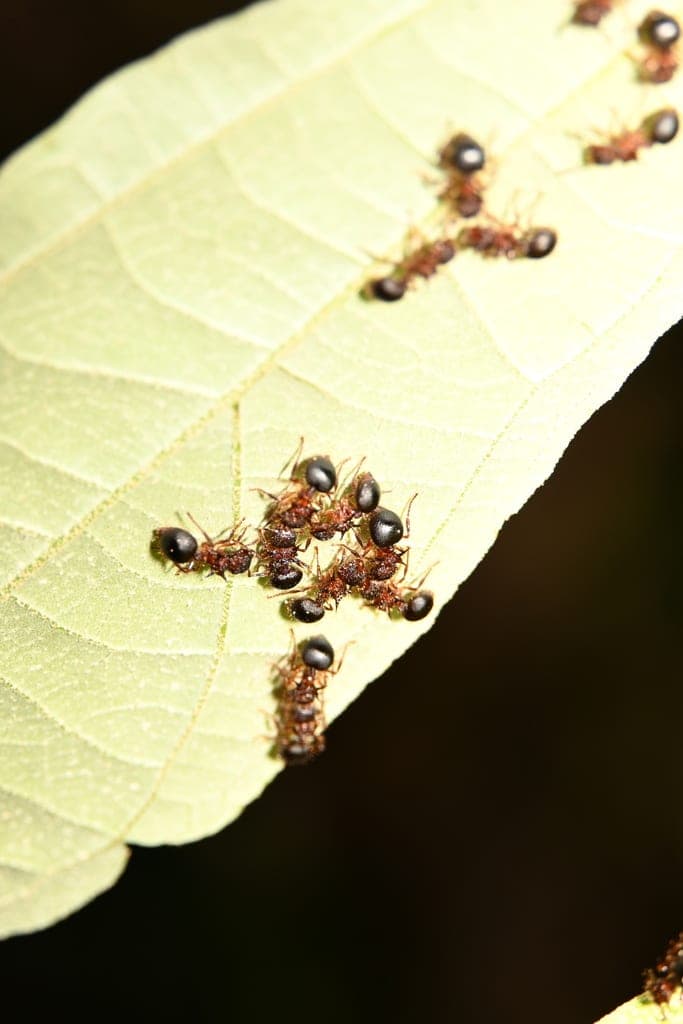
Gallery
Photo © Belinda Wong · CC BY-NC
Photo © Belinda Wong · CC BY-NC
Photo © Maks Syratt · CC BY-NC
Photo © monarchatto · CC BY-NC
Photo © Kleine Prijs voor een Wereldreis Reisblog · CC BY-NC
Live photographs are by iNaturalist observers under CC BY-NC — every one carries its credit.
Sources
The Thai text is written from the facts in these sources, not copied from them. · Data confidence: ปานกลาง
This page is husbandry information only — live ants aren't sold on the site, for the animals' safety in transit.