
Species & care sheets
Explore Ant Species
Discover and explore ant species from the Antverse — by name, genus, habit or how hard they are to keep.
Popular searches:CamponotusPolyrhachisMeranoplusCrematogaster
Quick browse
 Popular
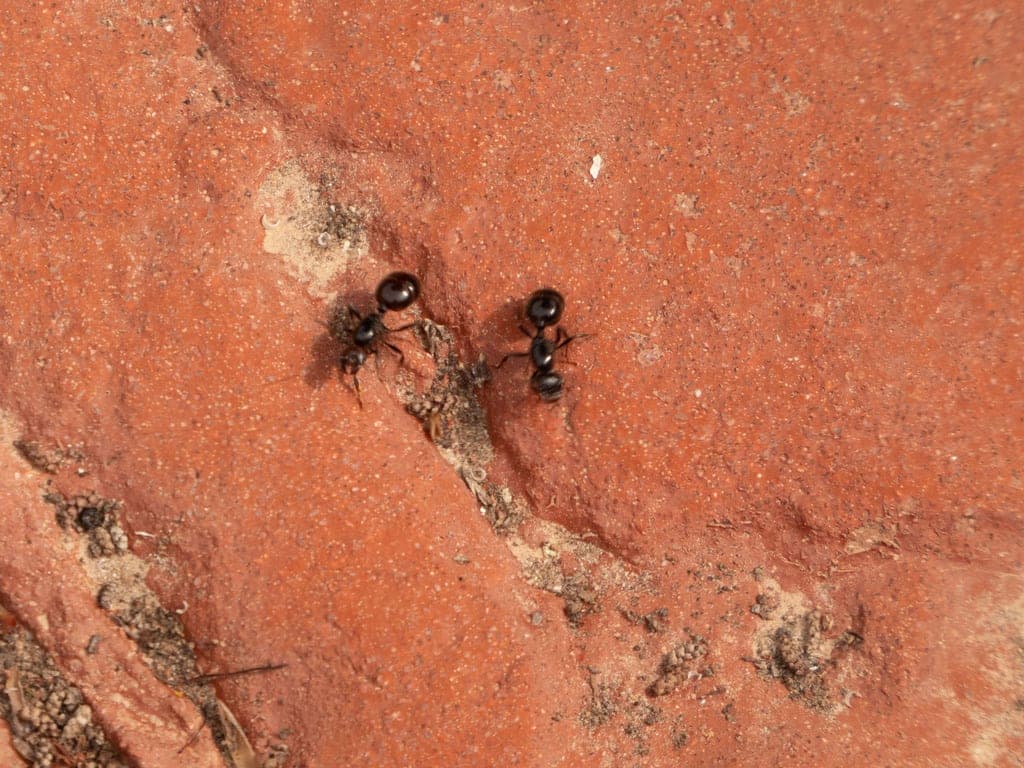
Black Harvester Ant
Messor barbarus
Often called the 'perfect pet ant,' this seed-harvesting species from Europe and North Africa is tough, low-maintenance, and shows off a striking range of worker sizes in one colony.
 Popular
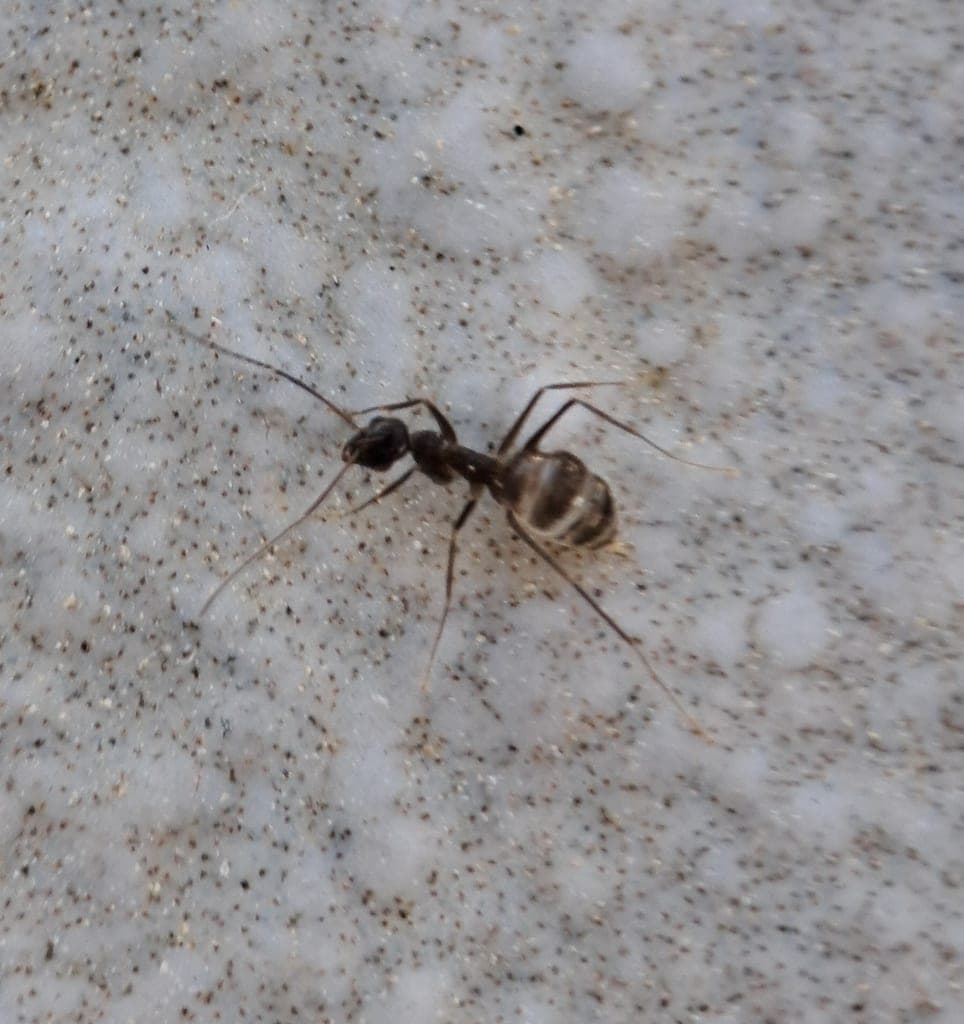
Black Crazy Ant
Paratrechina longicornis
Small, long-legged, and always on the move, the Black Crazy Ant is one of the easiest species anyone can keep — a perfect first colony for total beginners.
 Popular
Ash-Red Carpenter Ant
Camponotus rufoglaucus
A slender carpenter ant dusted in ash-grey hairs, the Ash-Red Carpenter Ant is easy to keep and grows fast, making it a great pick for anyone starting out with Camponotus.
 Popular
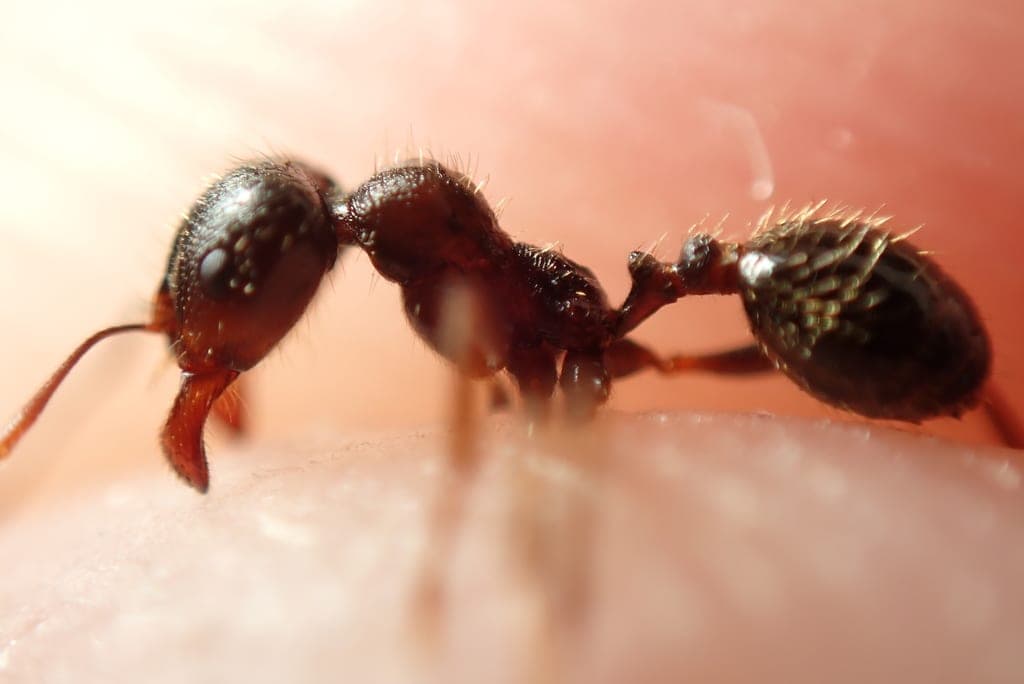
Steppe Harvester Ant
Messor structor
A seed-harvesting ant from the European steppes with big-headed major workers that grind grain. Famous for making 'ant bread' from chewed seeds and saliva.
Black Carpenter Ant
Camponotus parius
Large, easy to observe, slow-growing but extremely hardy. The most forgiving first species.
Acrobat Ant
Crematogaster coriaria
Famous for flipping its heart-shaped gaster overhead like an acrobat when startled, this species is beginner-to-intermediate friendly and grows quickly — a great pick for a first arboreal ant.
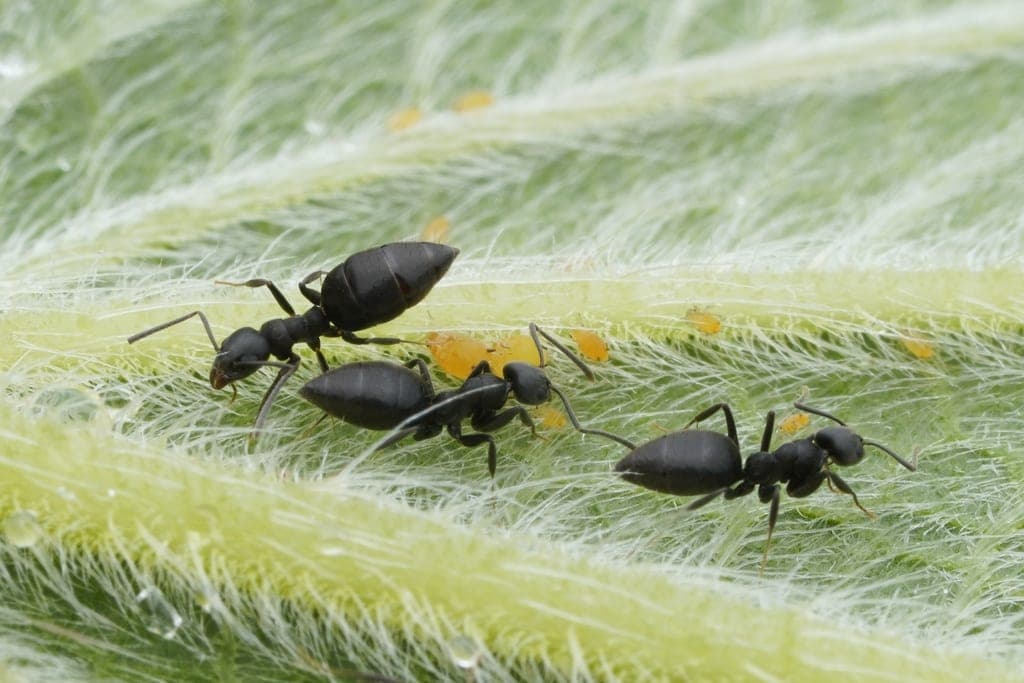
Butteli White-footed Ant
Technomyrmex butteli
A small, glossy black ant that moves quickly and stays highly alert, living in large multi-queen colonies. A great beginner species for studying polygynous ant societies.
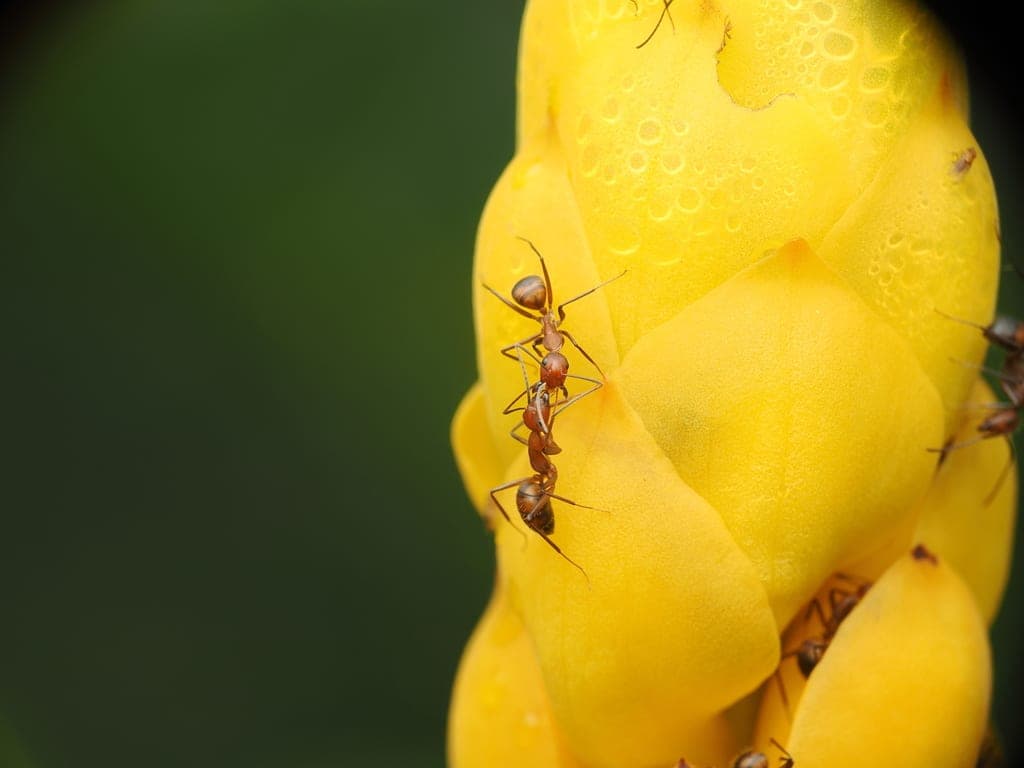
Nicobar Carpenter Ant
Camponotus nicobarensis
A red-orange and black carpenter ant that grows fast and stays fairly docile. Popular with beginners for its hardiness and easy adaptability, and a top seller at ant shops worldwide.
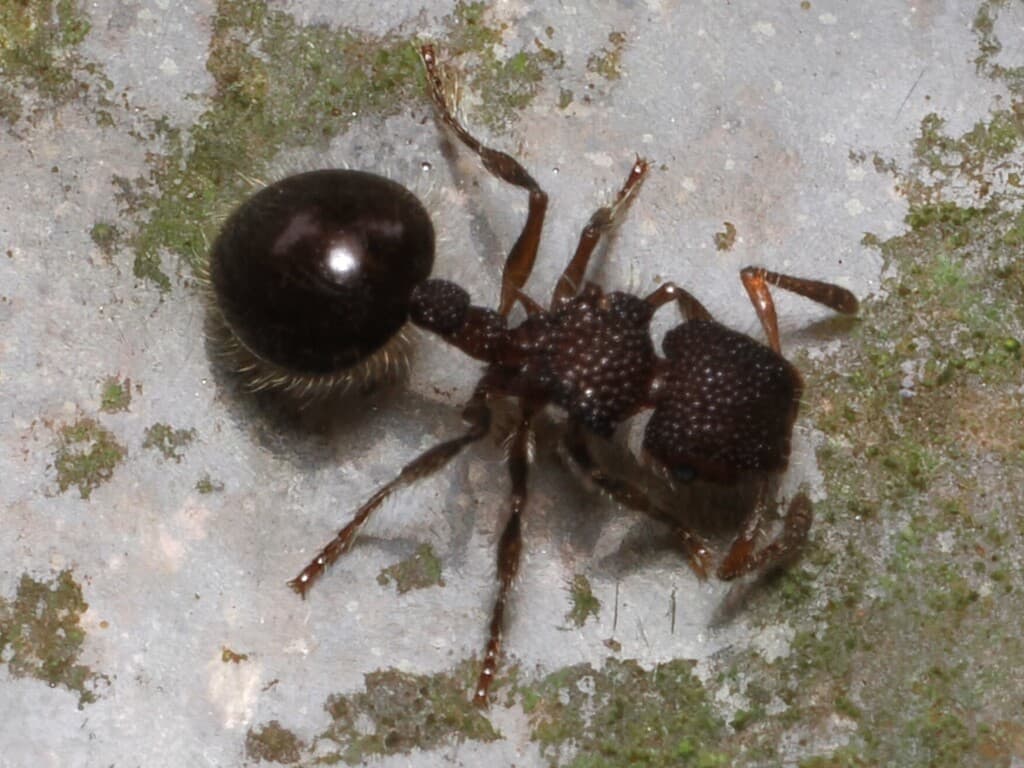
Smooth-bellied Shield Ant
Meranoplus laeviventris
A small shield ant with a black head and gaster and a reddish-brown thorax. Found across Southeast Asia in semi-dry to wet forests. Moderate difficulty to keep.
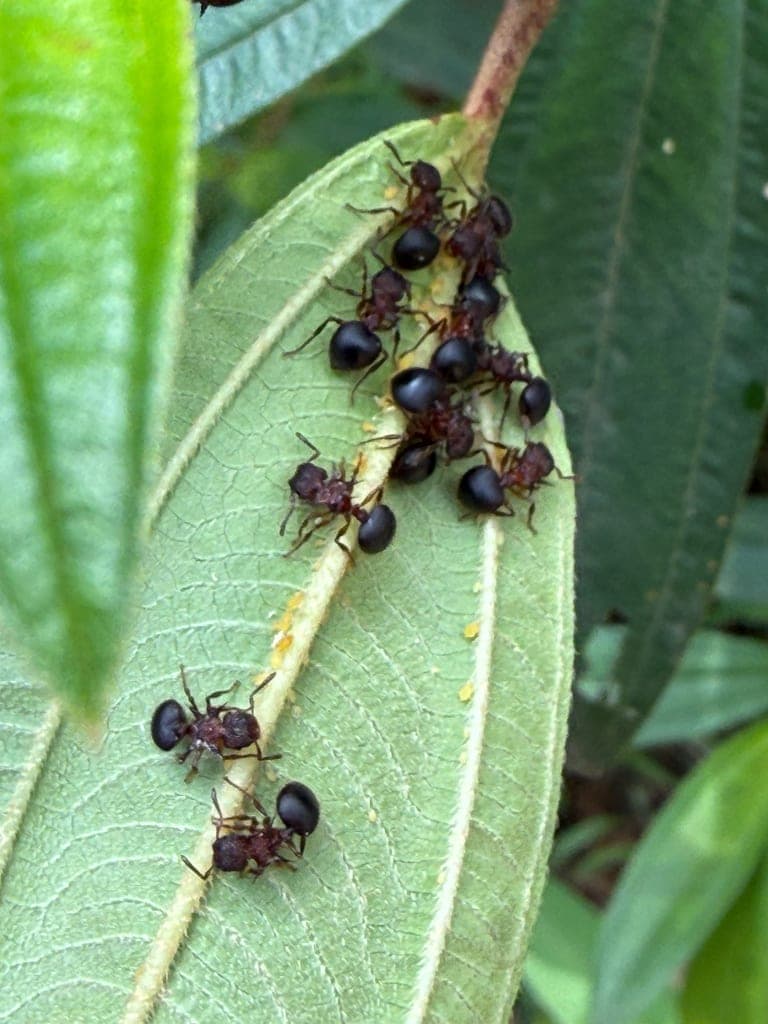
Southern Shield Ant
Meranoplus mucronatus
A shield ant with a black head and gaster contrasting a red-brown thorax. Moves slowly, relying on chemical defenses. Easy to keep, well suited to planted tropical setups.
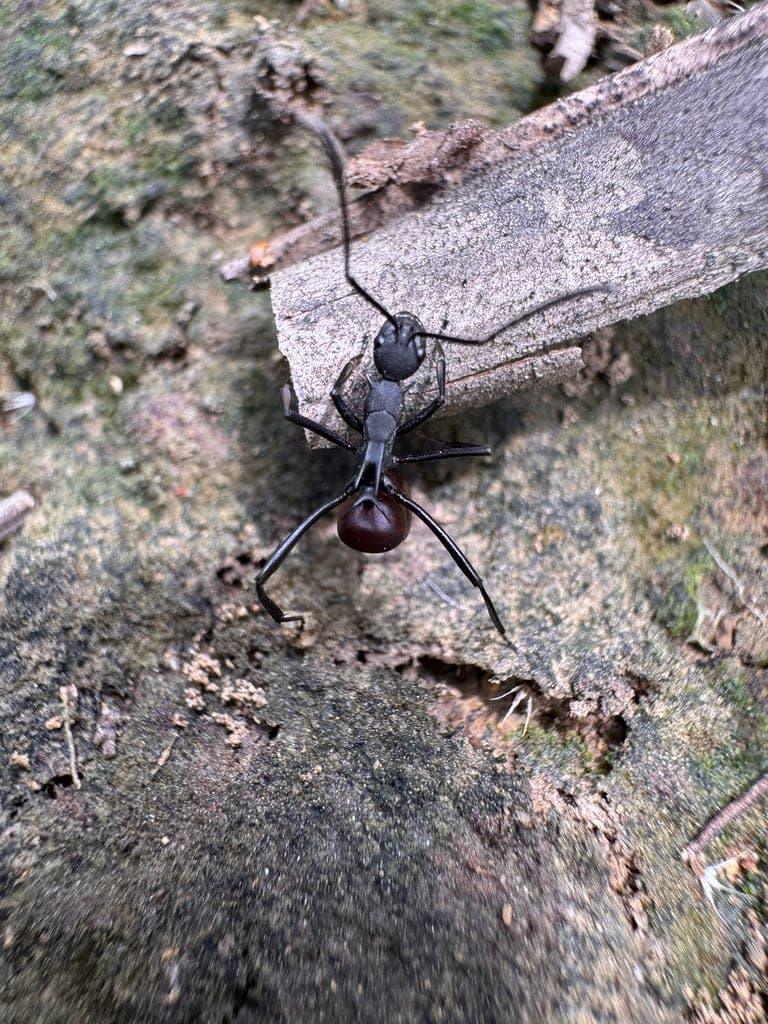
Red Ox Spiny Ant
Polyrhachis abdominalis
A spiny ant from Borneo's rainforests with a shiny, gold-tinted black body and sharp thoracic spines. Easy to keep, no sting, great for spiny-ant beginners.
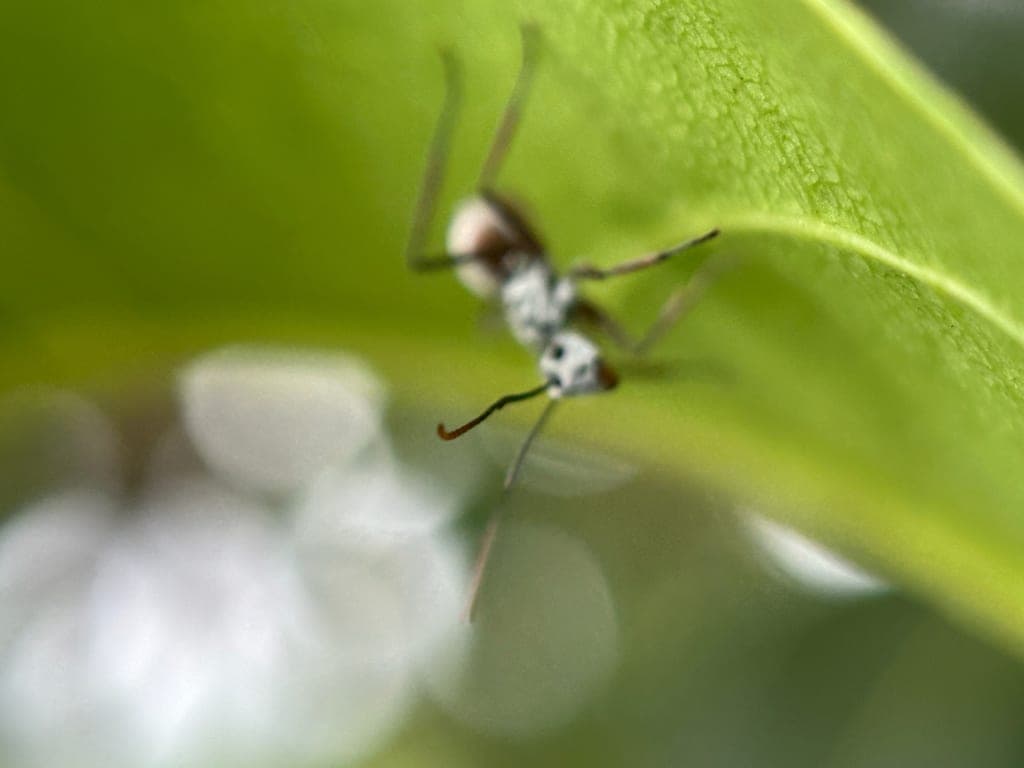
Fire Ox Spiny Ant
Polyrhachis bicolor
A two-toned spiny ant from Borneo, dark body contrasting with reddish-brown legs and antennae. An easy-going spiny ant well-suited for beginners.
Black Garden Ant
Lasius niger
One of the most common ants in the world and the classic starter species for new ant keepers. Extremely hardy and tolerant of imperfect conditions.
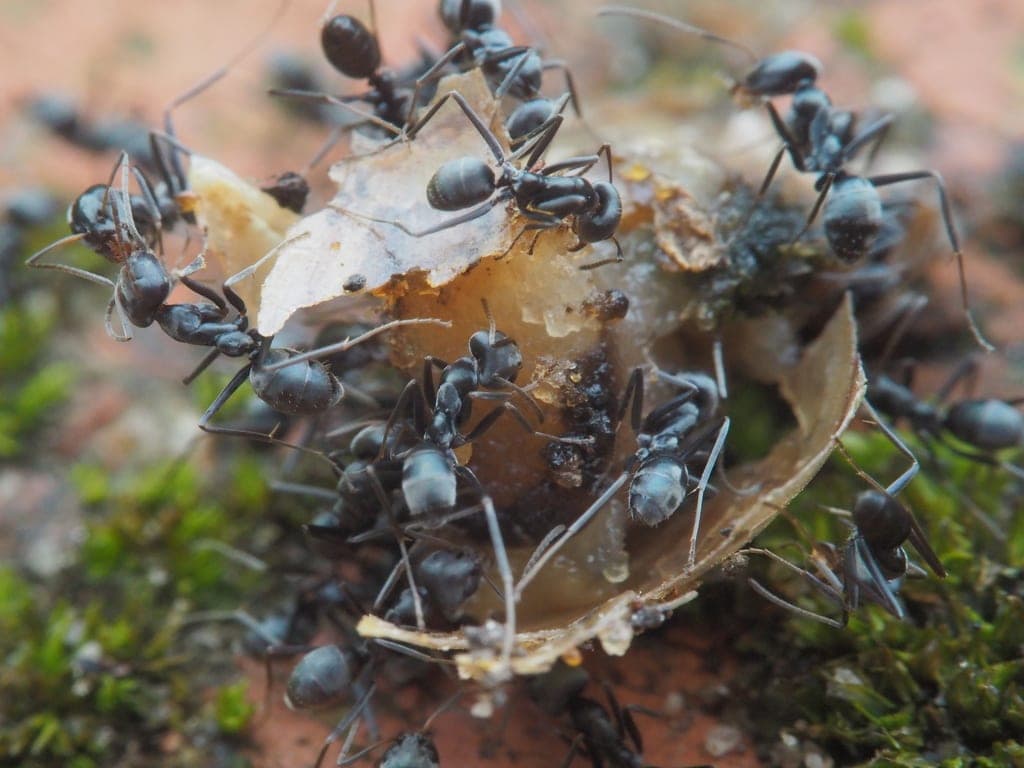
Black Tyrant Ant
Iridomyrmex anceps
A small, fast-moving black ant that builds colonies quickly, the Black Tyrant Ant is easy to keep but demands an escape-proof setup for its unusually agile workers.
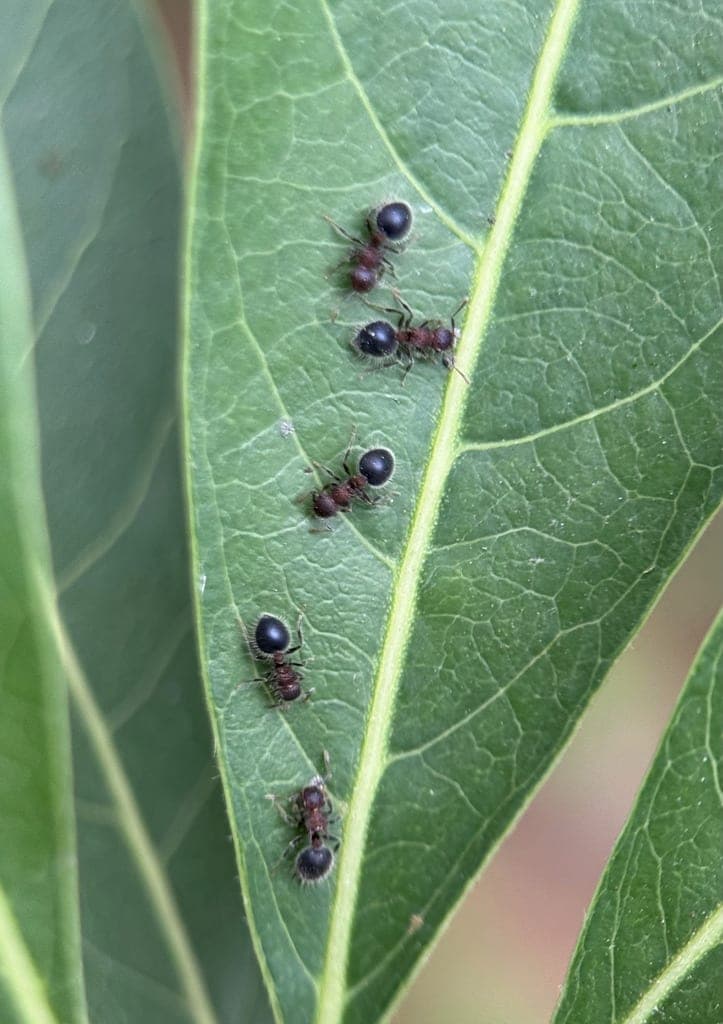
Bicolored Shield Ant
Meranoplus bicolor
The Bicolored Shield Ant (Meranoplus bicolor), or "มดโล่บ้าน" in Thai, is instantly recognizable for the hard, shield-like plate covering its entire thorax like a suit of armor. A shy, slow-moving, docile species found across much of Asia, it's an easy-care ant for beginners that tolerates a wide diet and simple captive setups.
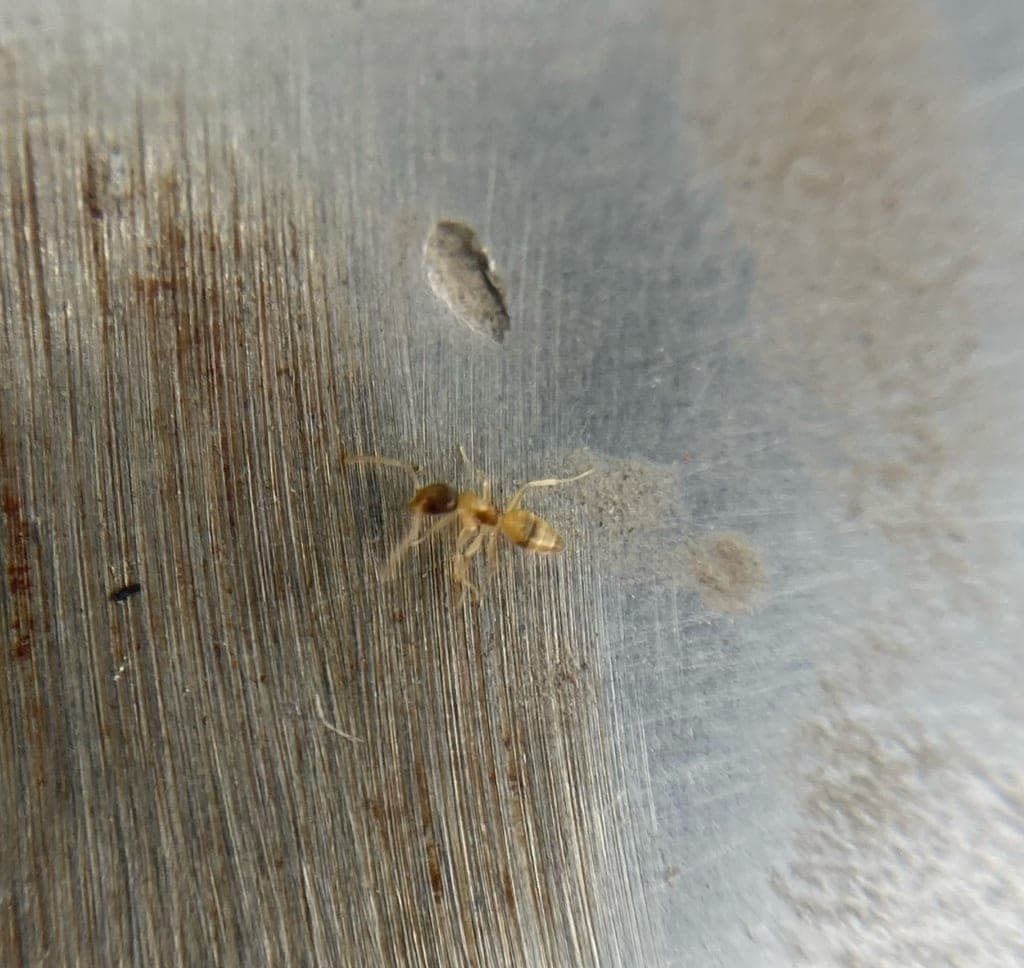
Ghost Ant
Tapinoma melanocephalum
A tiny, translucent ant so pale it looks almost ghostly, moving fast and adapting to nearly any environment. A popular beginner choice for keeping a small indoor ant colony.
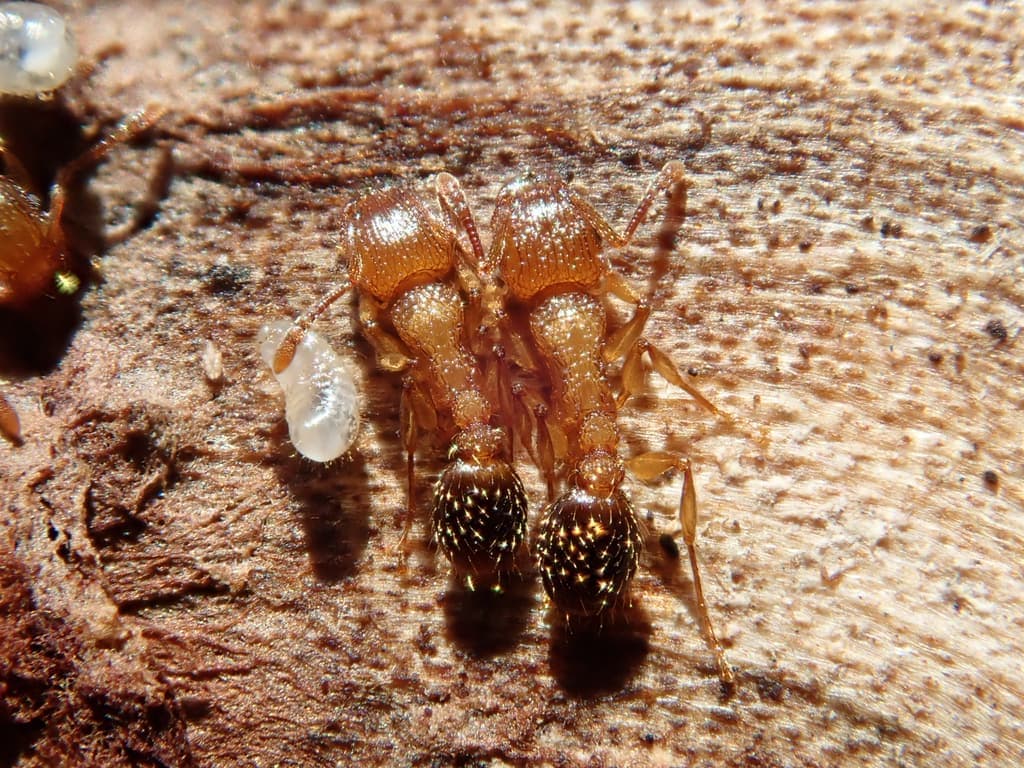
Guinea Ant
Tetramorium bicarinatum
One of the easiest ants to keep: a small reddish-brown ant that grows fast, is very hardy, and lives in multi-queen colonies. A top pick for anyone keeping ants for the first time.
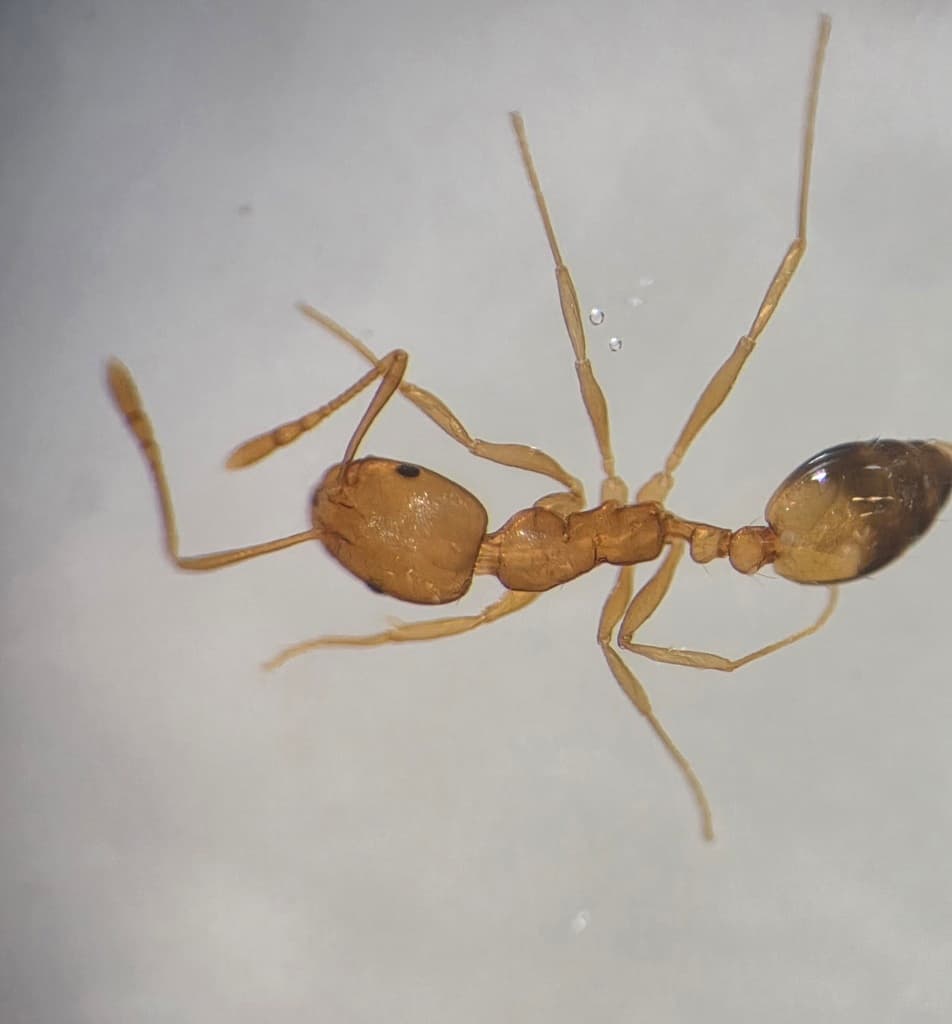
Pharaoh Ant
Monomorium pharaonis
A tiny yellow-brown ant with a highly complex multi-queen society, expanding colonies remarkably fast through budding. Found in homes across the tropics worldwide.
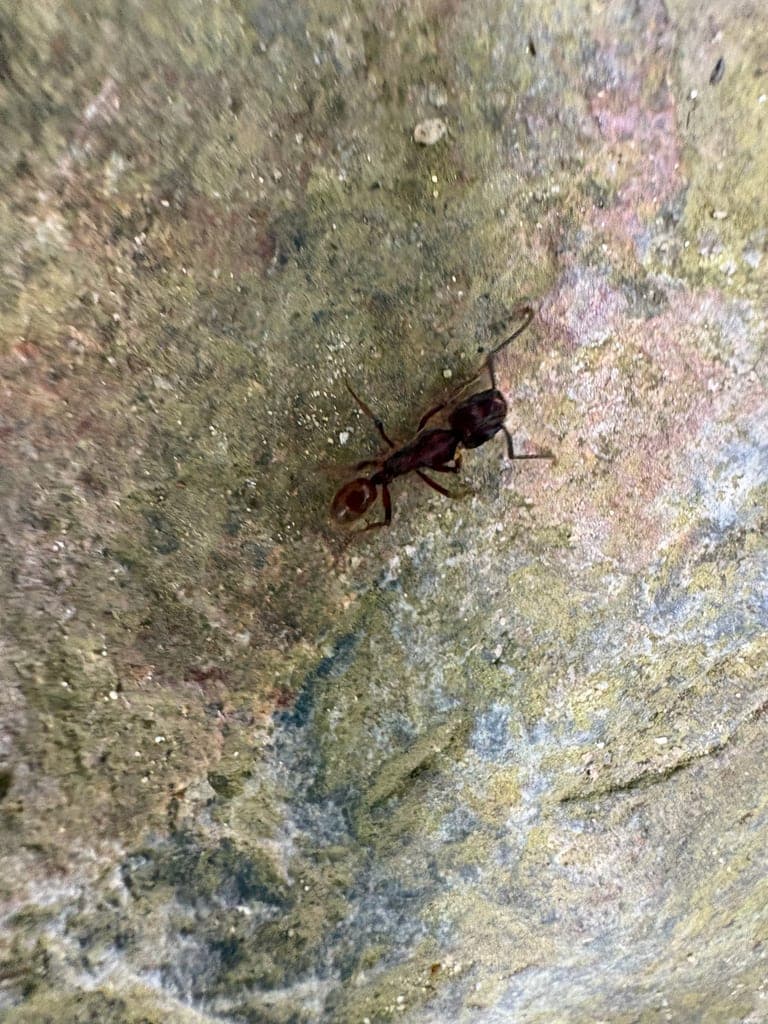
Tooth Ant
Odontoponera transversa
Browse by genus(30)
P
This page is husbandry information only — live ants aren't sold on the site, for the animals' safety in transit.