
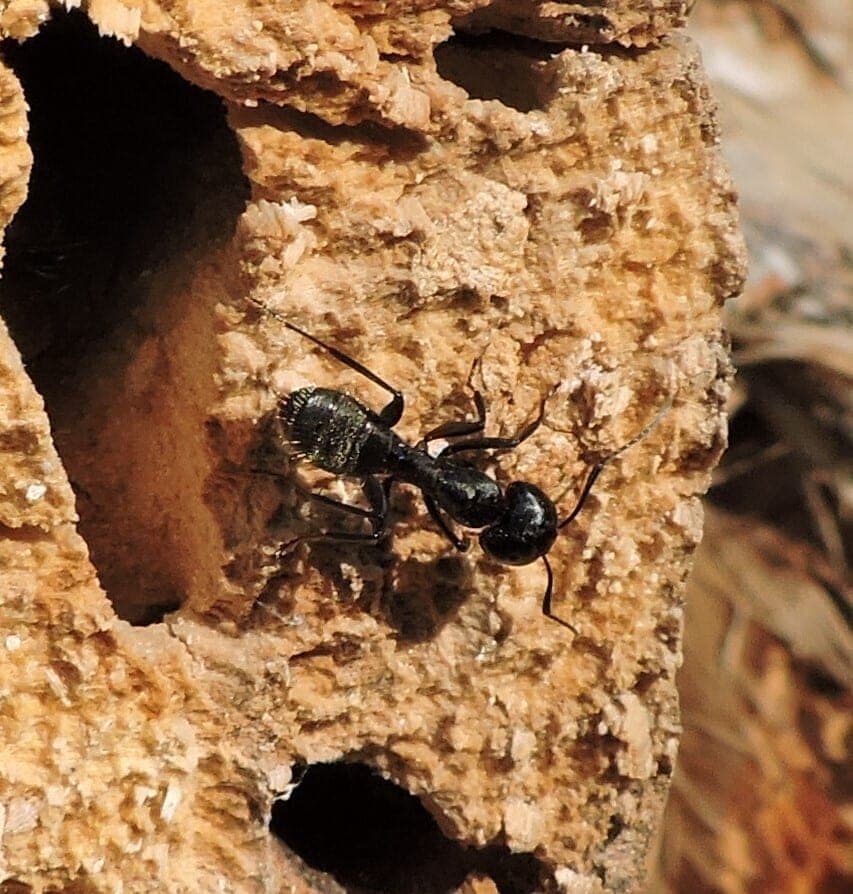
 Live photo
Species & care sheets
Hairy Wood Carpenter Ant
Camponotus vagus · มดตะลานขนยุโรป
Photo © olexandr_kovalchuk · CC BY-NC
The European hairy wood ant is entirely jet-black, densely covered in long yellowish-white hairs. Found across Europe into Central Asia, it's known for its feisty temperament and mandatory annual winter hibernation.
อยู่ในย่อยสกุล Camponotus (Camponotus)
Overview
Temperature
20-26°C (ต้องพักตัวหนาว 5-10°C ช่วงฤดูหนาว)
Humidity
50-65%
Diet
Sugar · Insects
Nest type
Wood / Ytong / cork / Acrylic
Growth
Medium
Colony size
1,000-5,000 ตัว
- Difficulty — ต้องการช่วงฟักตัวในฤดูหนาว (Diapause) ทำให้การเลี้ยงในเขตชื้นฮ้อนต้องปรับอุณหภูมิเฉพาะ
- Colony size — รังที่เจริญเติบโตเต็มที่อาจมีประชากรได้ถึง 10,000 ตัว
- How often it is found — มดที่มีข้อมูลบันทึกพบมากที่สุดในกลุ่ม เจอได้บ่อยตามธรรมชาติ — มีวางขายในตลาดนักเลี้ยงมดต่างประเทศ (มีสต๊อกจริง) · Records in Thailand 0 · Records worldwide 10,329 · Hobbyist market: Sold abroad
Derived from record counts in global databases (GBIF · AntWeb · iNaturalist), not from how common the ant is in Thailand. — ไม่สามารถประเมินได้ — ไม่มีข้อมูลพิสัยการแพร่กระจายจาก AntWiki
What it eats
Size
Body length by caste, and the ants drawn to scale on a credit card
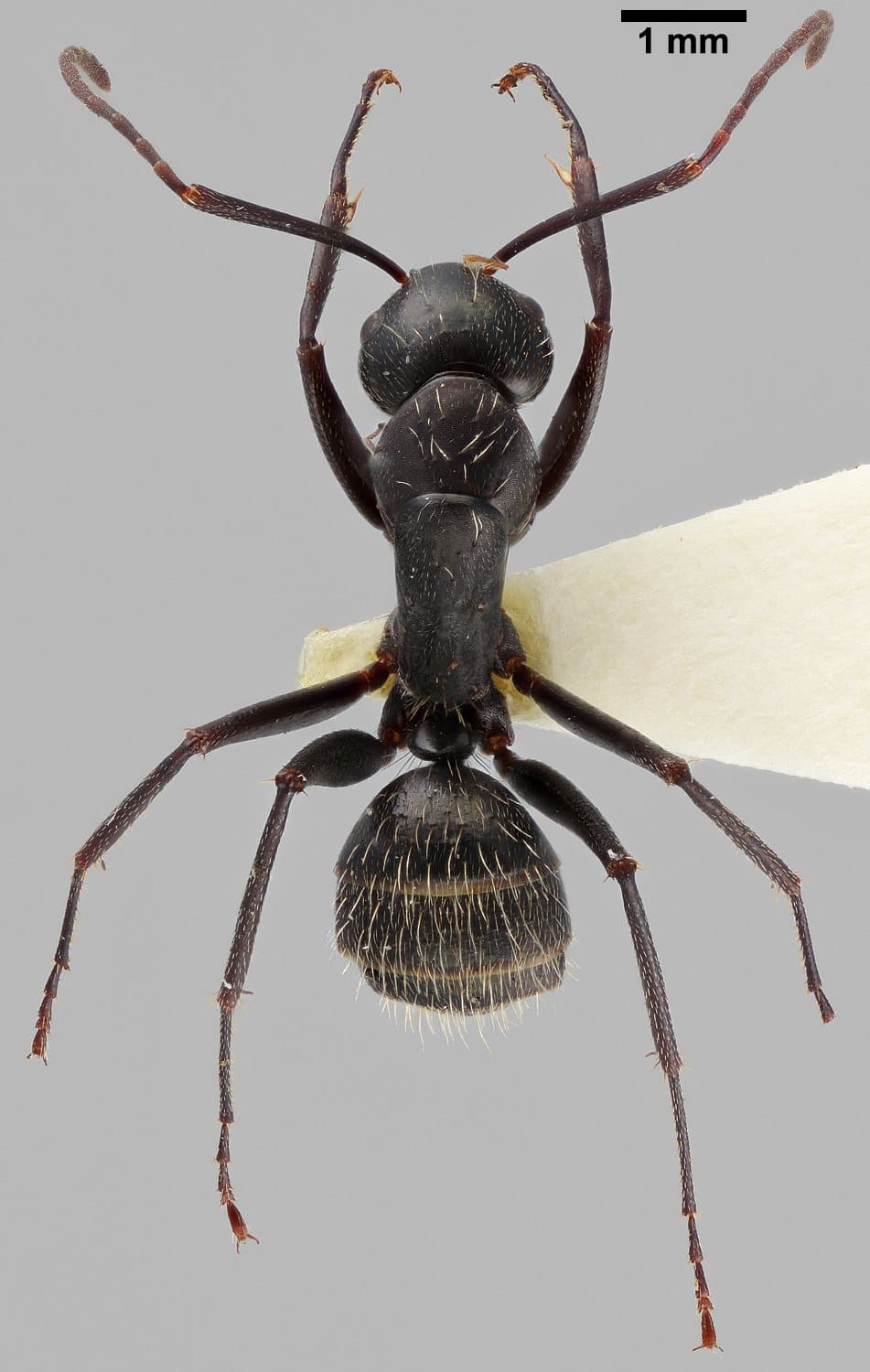
A museum specimen of that caste (source under the plate); castes without one show the number alone.
Actual size against a credit card
Ants are drawn to scale on a standard card (85.6 × 54 mm) — hold a real card against the screen and move the slider until the card matches, and the ants are then life-size.
~8 mm
~12.5 mm
~15 mm
Behaviour & care
Defences
AggressiveAttacks when disturbed — handle with care.
Colony profile
Queens
Single queen (monogyne)
Founding
Claustral
Diapause
Required
Growth
Medium
In depth
ขนสีเงินหนาแน่นบนลำตัวอาจช่วยในการสะท้อนแสงแดดและลดการสูญเสียน้ำในถิ่นอาศัยที่แห้งแล้ง
Appearance
Entirely jet-black body covered with a distinctive, dense coat of silvery-white hairs. Highly polymorphic, with majors possessing massive heads and powerful mandibles.
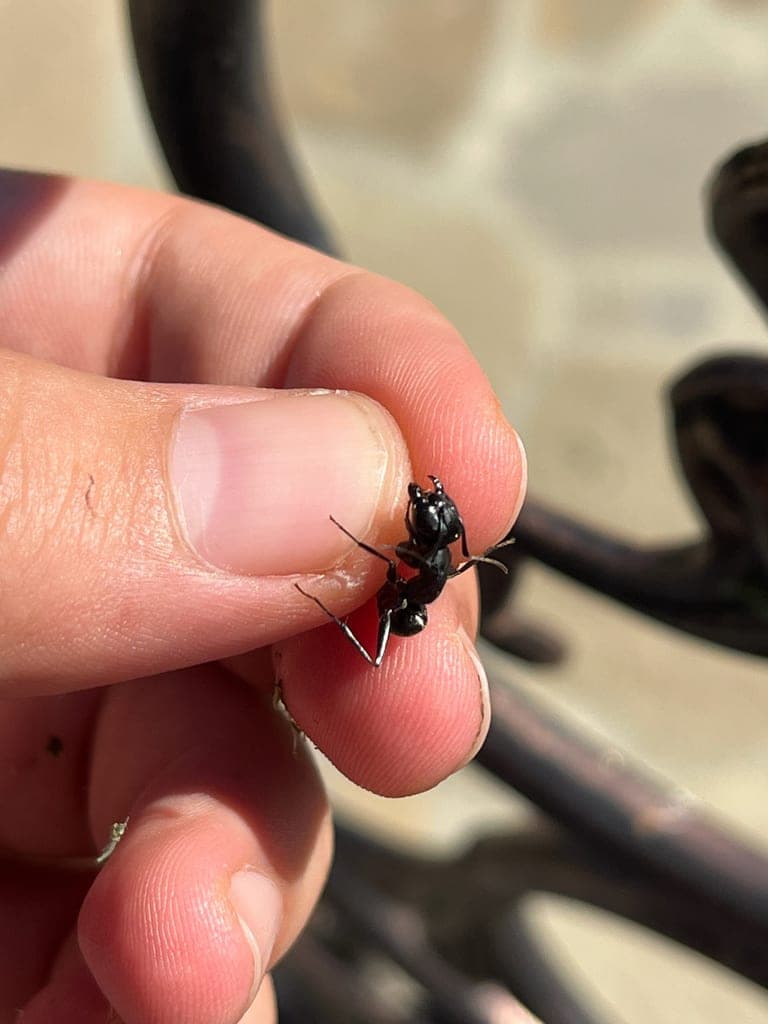
Photo © Raluca Cosoreanu · CC BY-NC
Where it lives
Native to Europe, North Africa, and Western Asia. They naturally nest inside dry wood, dead tree stumps, or under bark in open forests and pine woodlands.
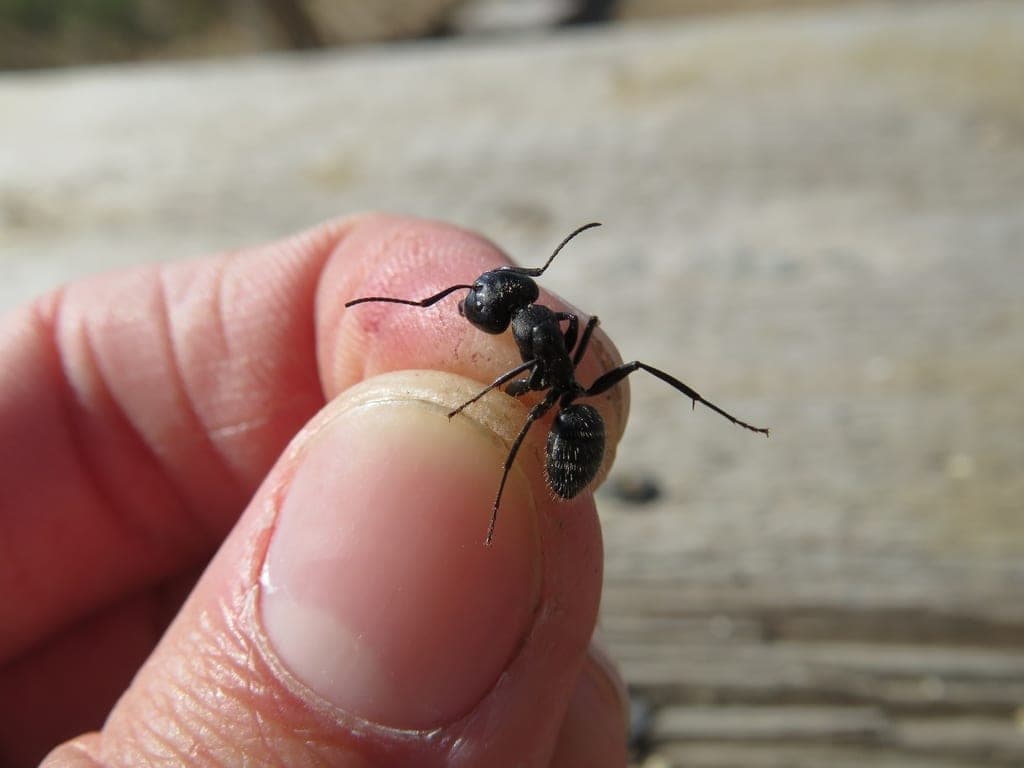
Photo © Oleg Yarmolenko · CC BY-NC
Behaviour
Extremely aggressive and fast-moving. When threatened, workers respond fiercely; majors can inflict painful bites with their strong mandibles and spray formic acid into the wound.
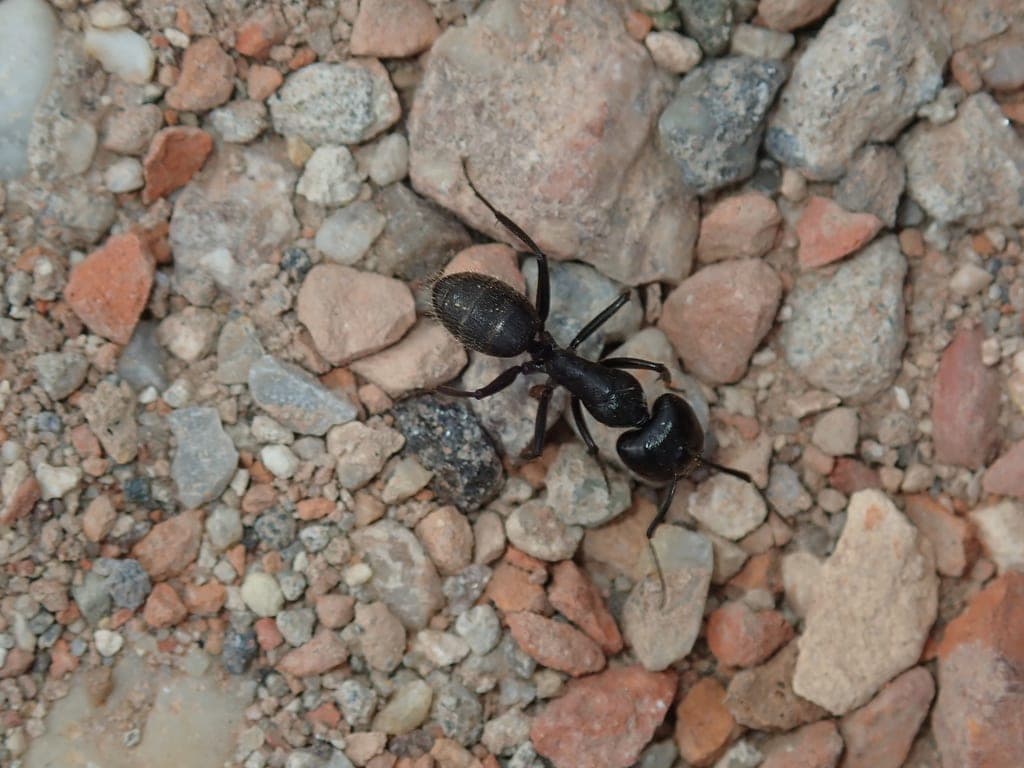
Photo © András Schmotzer · CC BY-NC
Keeping it
Prefers moderate to low humidity (30-60%). They thrive in Ytong, acrylic, or wood nests. Feed them sugar water or honey alongside small feeder insects for protein.
Where the difficulty is
Requires a mandatory winter diapause (hibernation) at reduced temperatures (around 10-15°C) for 2-3 months to maintain the queen's long-term health and egg-laying capacity.
Fun fact
The species name "vagus" comes from Latin, meaning "wandering" or "roaming," referring to their wide-ranging foraging habits.
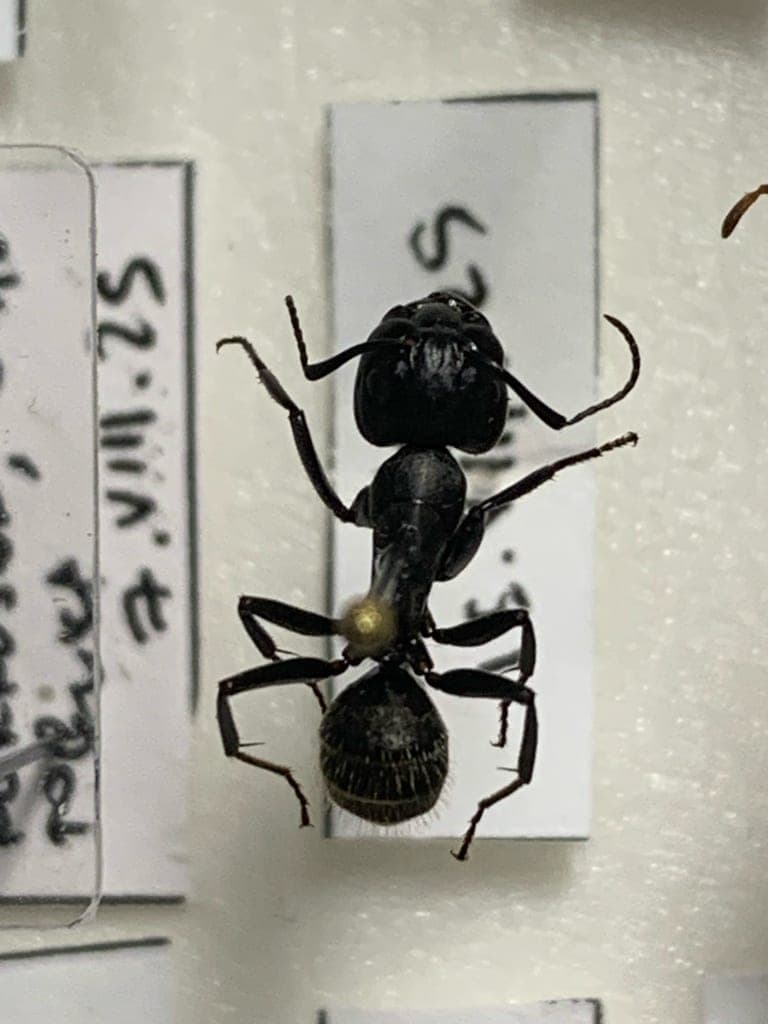
Photo © Фёдор Хоменко · CC BY-NC
Gallery
Photo © olexandr_kovalchuk · CC BY-NC
Photo © Raluca Cosoreanu · CC BY-NC
Photo © Oleg Yarmolenko · CC BY-NC
Photo © András Schmotzer · CC BY-NC
Photo © Фёдор Хоменко · CC BY-NC
Photo © Vincent Lutton · CC BY-NC
Live photographs are by iNaturalist observers under CC BY-NC — every one carries its credit.
Sources
The Thai text is written from the facts in these sources, not copied from them. · Data confidence: สูง
This page is husbandry information only — live ants aren't sold on the site, for the animals' safety in transit.